




































































































CR Abrar Calls for Boost in Science Research and Faster Project Management
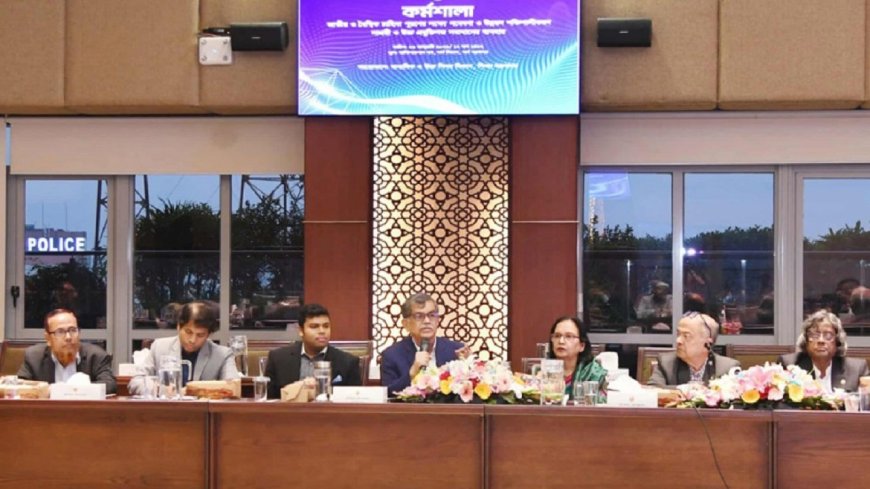



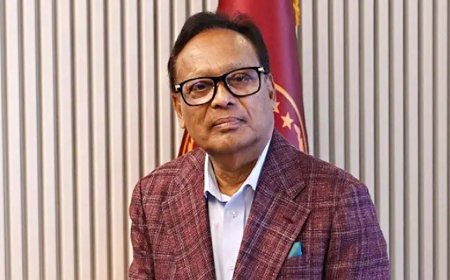
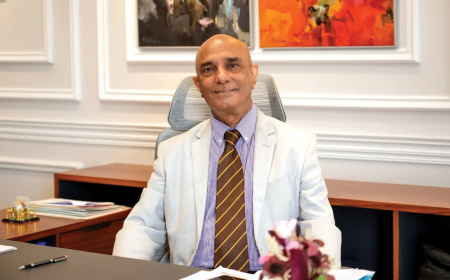
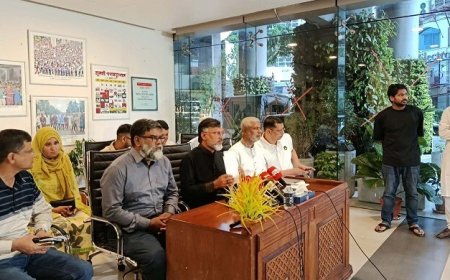
Professor Dr. C R Abrar, Education Advisor, has called for increased investment in scientific research and the establishment of faster research management systems in Bangladesh. Emphasizing the importance of science and research for the country’s sustainable development, knowledge-based economy, and future challenges, Dr. Abrar said, “We are at a critical juncture where both the pace of admissions in science education and research activities are worryingly low. This is far from ideal for any nation.”
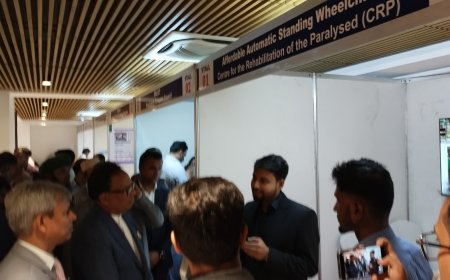
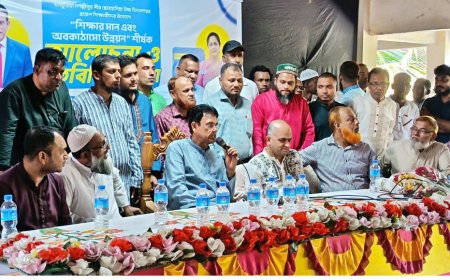
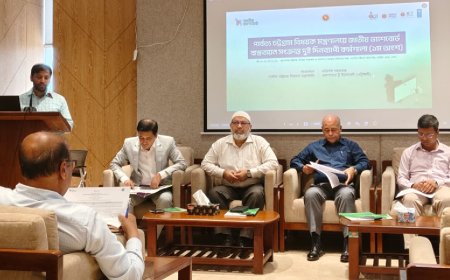
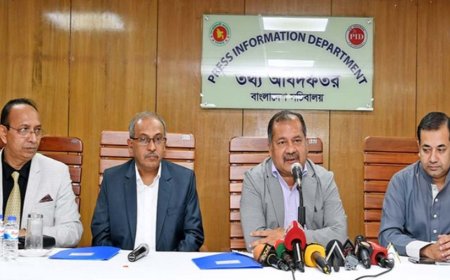
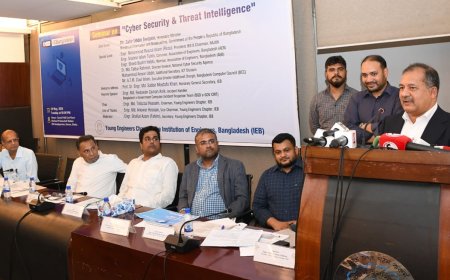
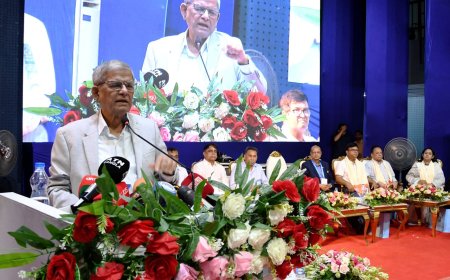
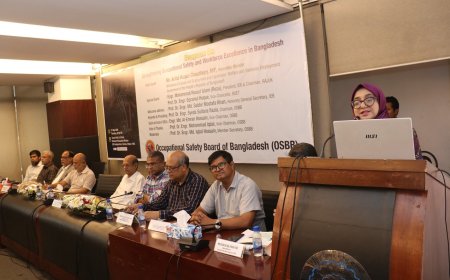
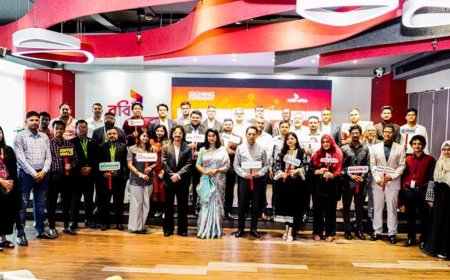
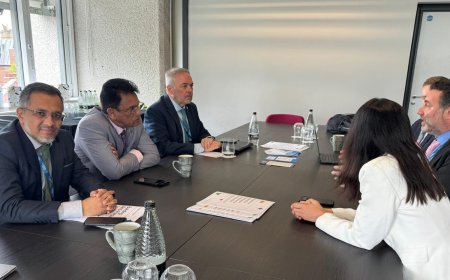
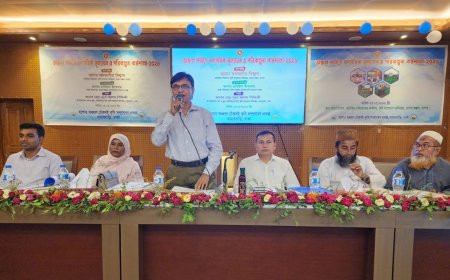
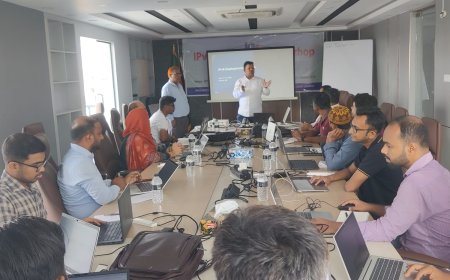
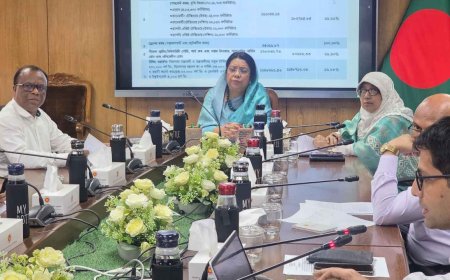
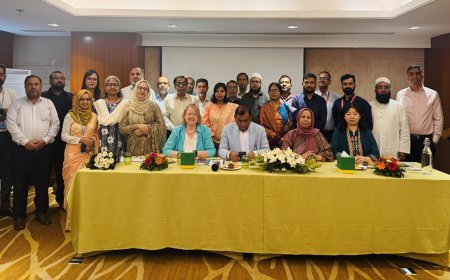
He made these remarks on Monday, 26 January, at a workshop titled “Strengthening Research and Development to Meet National and Global Demands: Utilizing Cost-Effective and High-Tech Solutions”, held in the conference room of the Ministry of Finance in the afternoon. The workshop was inaugurated by Rehana Parveen, Secretary of the Secondary and Higher Education Division.
Keynote presentations were delivered by Emeritus Scientist Professor Dr. Firdousi Kaderi of the International Gastric Research Center, Science Researcher Dr. Abed Chowdhury, and eminent scientist Professor Dr. Mobarak Ahmad Khan.
Dr. Abrar highlighted the challenges faced by private universities, particularly those active in research, stating that long delays in government clearance and approvals for research grants—sometimes six to eight months—hinder effective utilization of funds, often stalling promising research midway.
He emphasized that unnecessary disparities should not exist between public and private universities in research management. While accountability is essential, a fast-track system for responsible institutions is crucial.
The Education Advisor noted that Bangladesh currently invests only about 0.3% of its GDP in research, significantly lower than regional and global standards, even less than some least developed countries. Addressing the additional costs in vaccines and healthcare as Bangladesh transitions out of LDC status, he stressed that investment in science, research, and specialized centers of excellence is indispensable.
Dr. Abrar also underscored the need to engage expatriate and internationally active Bangladeshi researchers for knowledge exchange and research collaboration, whether locally or remotely. He called for a robust research ecosystem integrating basic and applied sciences through coordinated institutional dialogue between the government, educational institutions, and the private sector.
He criticized low investment in human resource development, training, and researcher preparation, noting that inadequate capacity to spend allocated infrastructure funds results in substantial yearly returns, demanding reconsideration.
Dr. Abrar stressed that research outcomes should not be limited to publications but converted into practical solutions, advocating that the time is ripe for building a knowledge-based economy. He further highlighted the importance of transparency, reasonable expectations, and the role of reviewers in research proposal evaluation, noting, “The Ministry of Education today is not just a policymaker but an active partner in research—this is a significant achievement for us.”
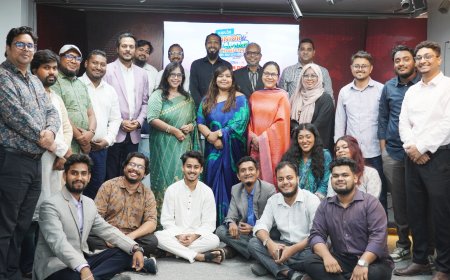
The workshop was attended by researchers, academicians, policymakers, and ministry officials. Concluding his remarks, the Education Advisor expressed optimism, saying, “With the right supportive environment, the talent within this room can help build a new Bangladesh.”
DBTech/BTM/OR