































Honoring the Visionary Engineer on His 17th Death Anniversary
Quamrul’s Quest: A Legacy of Light
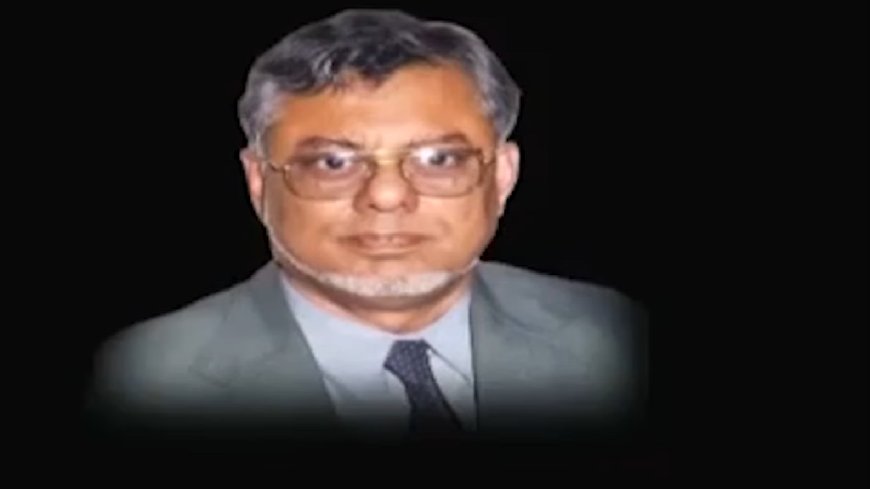



On 1 September 2008, at the age of 63, Quamrul Islam Siddique embarked on his final journey to the Divine. Draped in the red-and-green flag, he left behind a life of tireless service, now resting in Banani cemetery, Dhaka—a silent testament to the lamp of rural development he ignited across the nation.
Though memorials within the Local Government Engineering Department (LGED) mark his passing, time has tried to blur even the brightest of memories. To some, he is the “Magic Boy” of the World Bank; to many, a freedom-fighting visionary whose name has been overlooked for national honors. Yet, his work endures, woven into the very fabric of Bangladesh’s villages, towns, and cities.
He transformed rural infrastructure with a pioneering spirit, leading innovations in flood management, drought relief, and technological advancement. He created upazila and union books, digitized maps, MIS and GIS systems, and remote sensing platforms, the first of their kind in the country. He introduced computers into government offices, launched digital services, and reduced reliance on foreign consultants—lifting domestic engineering to new heights. Humble, honest, and principled, he guided his colleagues like a father, often reminding them, “Development must be visible in people’s lives, not just on paper.”
Quamrul’s touch shaped Bangladesh’s very framework. He strengthened LGED, modernized Dhaka’s water supply, and left his mark on every rural infrastructure project. His strategic vision gave rise to today’s Metro Rail and expressways, planned through the Dhaka Transport Coordination Board (DTCB). Yet he shunned personal gain, known instead as a devoted advocate for participatory progress, celebrated as “QUIS” by peers.
An extraordinary engineer, administrator, and visionary, Quamrul fortified institutions like the Board of Accreditation for Engineering and Technical Education and the Institution of Engineers, Bangladesh (IEB), leaving an indelible legacy for the nation’s engineering community. His foresight in water management, particularly against cross-border challenges, earned global recognition.
Born on 20 January 1945 in Kushtia to Nurul Islam Siddique, an agricultural development activist, and social worker Hamida Siddique, Quamrul’s journey began with light in his heart. He earned his Civil Engineering degree from BUET in 1962 and a Master’s in Urban and Regional Planning from Sheffield University, UK in 1977. After Bangladesh’s independence in 1971, he devoted himself to nation-building, leaving footprints across the land that continue to guide and inspire.
Seventeen years on, Quamrul Islam Siddique lives on—not only in brick and beam or maps and plans, but in the hearts of those who continue the work he cherished. In the words of a poet, “Your grave blooms with flowers; who says you are gone? You live in the hearts.” Through his deeds, his vision, and his love for his country, Quamrul Islam Siddique remains, quietly, eternally, and luminously alive.