


































































































































Cyber Synergy: Bangladesh Drafts Freelancer Policy and National Cyber Operation Framework



The interim government of Bangladesh is preparing a timely policy framework for freelancers while simultaneously forming a National Cyber Operation Center under a public–private partnership to strengthen national cybersecurity. The government also aims to consolidate previously fragmented digital transformation initiatives into a unified, citizen-oriented platform.
The revival of a security app developed earlier by engineers of the Bangladesh Computer Council (BCC) marks one of the first steps under this initiative. According to officials, these efforts are intended to ensure citizen-friendly digital services through coordinated advancement of regulatory systems, infrastructure, and applications, free from political influence.
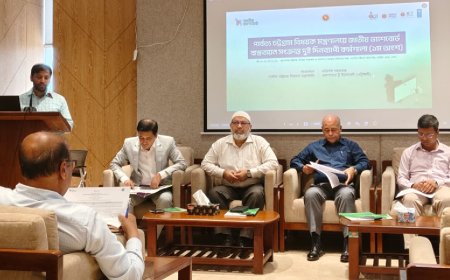
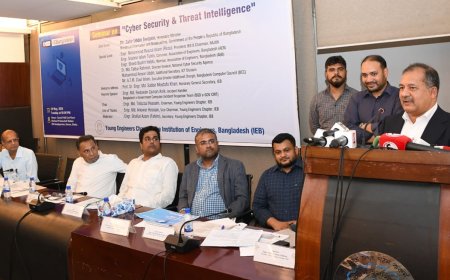
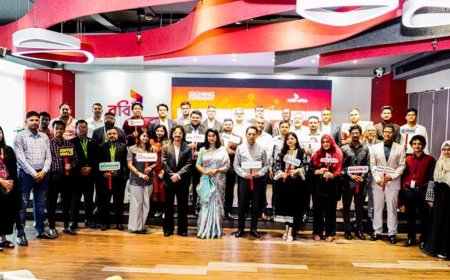
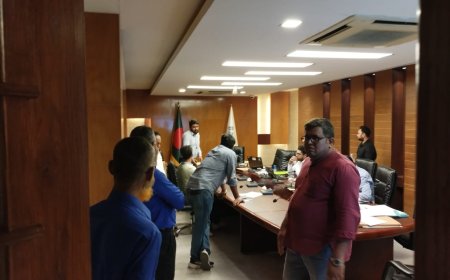
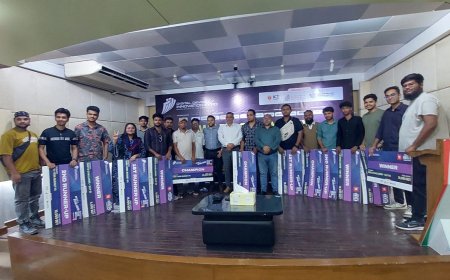
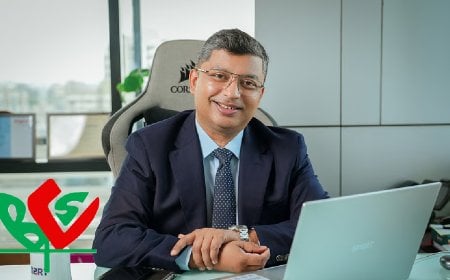
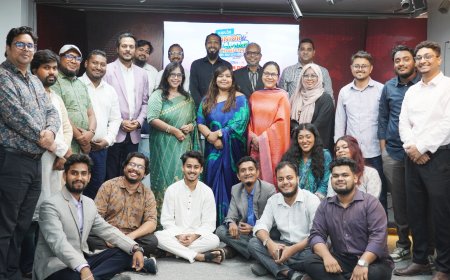
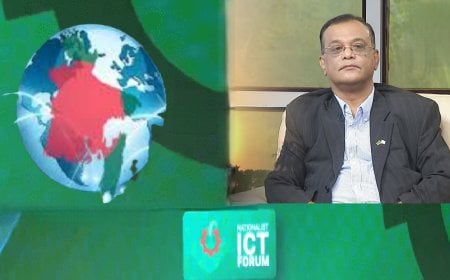
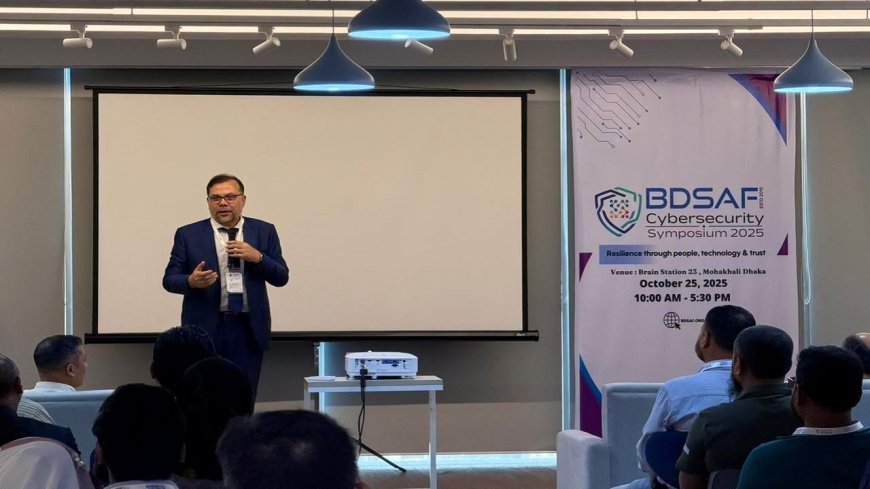
ICT Secretary Shish Hayder Chowdhury disclosed these developments on Saturday during the closing session of the Cyber Security Symposium 2025, held at the headquarters of software firm Brain Station 23 on the 12th floor of Noorani Tower in Dhaka’s Mohakhali.

“The results of these initiatives will be visible soon,” he assured, adding, “A few days ago, we introduced an ordinance for personal data protection. Although 18 consultations were held, we still allowed 45 days for citizens to submit feedback. It will soon be passed into law.”
Chowdhury further noted that the government’s digital transformation strategy is unfolding in three distinct phases. The first involves regulatory reforms, including data security laws, cyber laws, and the formation of a National Data Governance Authority. The second phase focuses on building a multilayered digital backbone, emphasizing interoperability and integration. The third stage aims to harness local human resources to develop high-quality software and a sustainable development ecosystem. “A modern policy for freelancers will also be introduced very soon,” he confirmed.
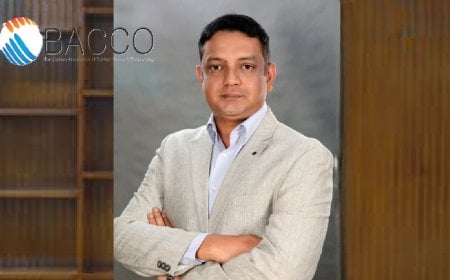
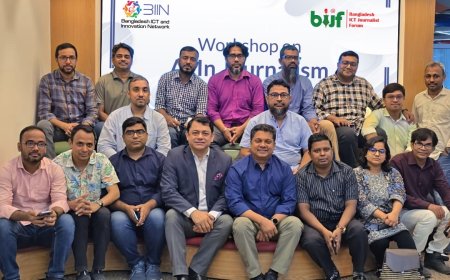
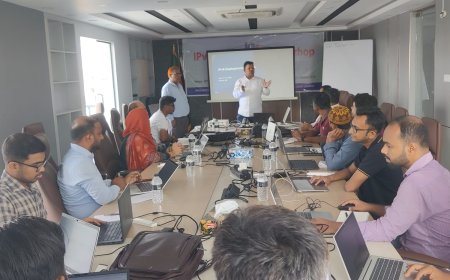
The symposium was organized by the Bangladesh System Administrators Forum (BdSaf) and attended by over a hundred system administrators representing 86 IT and telecom companies. The ICT Secretary expressed optimism about future collaboration between BdSaf and the ICT Division.

The concluding panel discussion titled “AI and Deception: Rebuilding Bangladesh’s Cyber Defense in the Age of Data Protection” featured Sumon Ahmed Sabir, Executive Council Member of the Asia Pacific Network Information Centre (APNIC); noted technologist Shayerul Haque Zowarder Neel; Sanjay Chakraborty, Associate Director of Robi; and Barrister Nabil Ahmed Khan, lawyer of the Supreme Court.
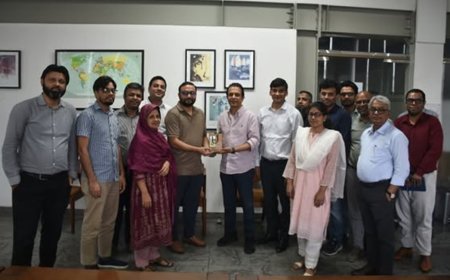
Following the discussion, Raisul Kabir, CEO of Brain Station 23, received a special token of appreciation from the organizers.
Earlier technical sessions featured insights from Muhammad Abul Kalam Azad, Head of Information Security at Eastern Bank PLC; Rakibul Hasan, CTO of Link3 Technologies; Raskin Pal, Head of Security Operations Center at Grameenphone; Md. Mizanur Rahman, CTO of Brain Station 23; SP Khaleda Begum of Bangladesh Police; Major (Retd.) SM Al Maymun, Head of IT Network and Security Operations at Banglalink; cybersecurity expert SM Rubayet Islam; Saminul Islam Torofdar, Senior General Manager of Rori Telecom; AKM Nurul Alam of Tech Novelty Ltd.; and Anwar Hossain, Solution Architect of Brain Station 23.
Panelists emphasized the need for AI-driven threat detection, rapid response systems, stakeholder-inclusive data protection laws, and ethical technology governance. They also stressed the importance of public awareness and corporate cooperation in fortifying Bangladesh’s cyber resilience. Speakers noted that Bangladesh has already begun deploying AI in financial services, telecom, and public administration — a promising step toward future-ready cybersecurity — though maintaining the balance between human skill and technological automation remains the key challenge.

Experts cautioned that while artificial intelligence is transforming workflows, it is also fueling new threats such as deepfakes, identity theft, and data breaches. They urged policymakers to restructure national cyber defense and reinforce data protection frameworks to counter emerging risks.
Security analyst SM Rubayet Islam presented insights on modernizing Security Operations Centers (SOC) and threat hunting techniques, while AKM Nurul Alam discussed IT infrastructure security management. Saminul Islam of Robi elaborated on cloud infrastructure collaboration and perimeter security.
Speakers highlighted a rise in AI-enabled fraud and cybercrime, including phishing, OTP theft, and social engineering, often conducted through fake calls or links impersonating bank officials or customer service agents. These scams are leading to financial losses and identity theft.
Experts warned that widespread internet access and smartphone usage have made ordinary citizens easy targets. They stressed that while institutions can enhance safety using advanced network and application tools, public awareness remains the ultimate safeguard.
The daylong symposium, co-hosted by Brain Station 23 and Leading Edge Technology, was moderated by Mohammad Ashfaqul Rahman, Joint General Secretary of BDSAF.