

























































































































EPI Excellence Endures but Emerging Gaps Grip Bangladesh’s Immunization Drive



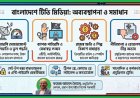
Despite being globally recognized as a success story in public health, Bangladesh’s Expanded Programme on Immunization (EPI) is now facing mounting challenges, including manpower shortages, budget delays, and weak implementation in urban areas. Experts have also urged for more targeted awareness campaigns and special measures to strengthen vaccination efforts in hard-to-reach areas. The EPI/MIS/DGHS has been advised to ensure sustainable implementation and expansion of UNICEF-supported digital innovations such as e-Tracker, VaxEPI, eVLMIS, and the GIS-based online micro-planning system through proper budget allocation.
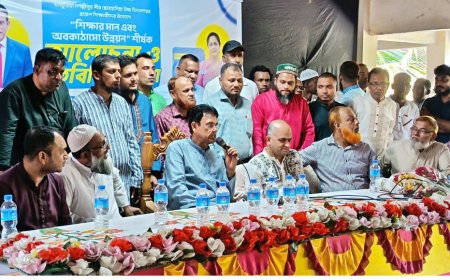
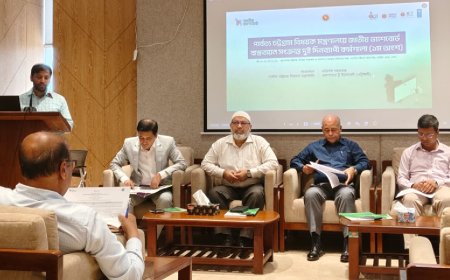
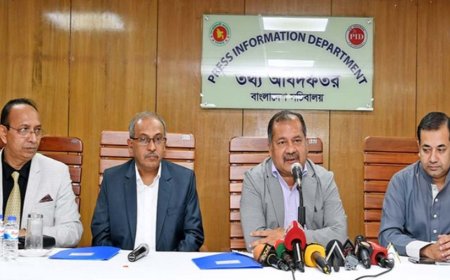
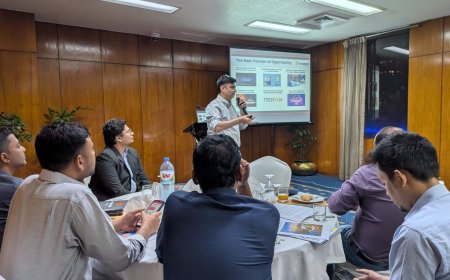
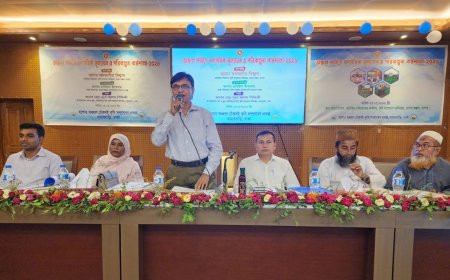
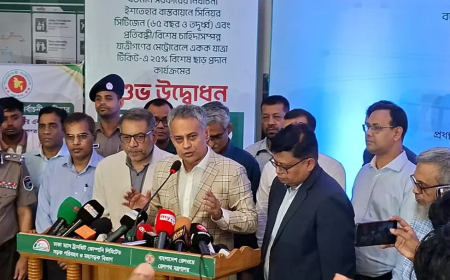
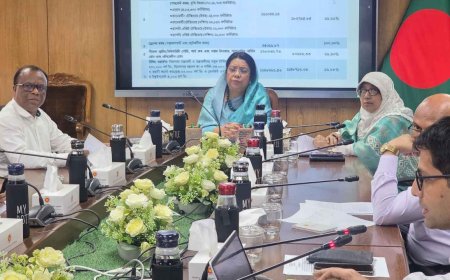
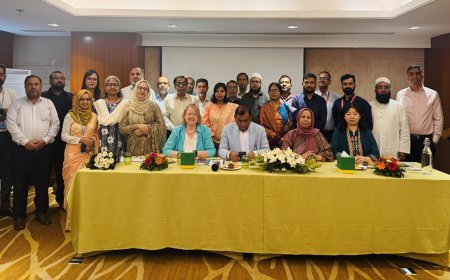
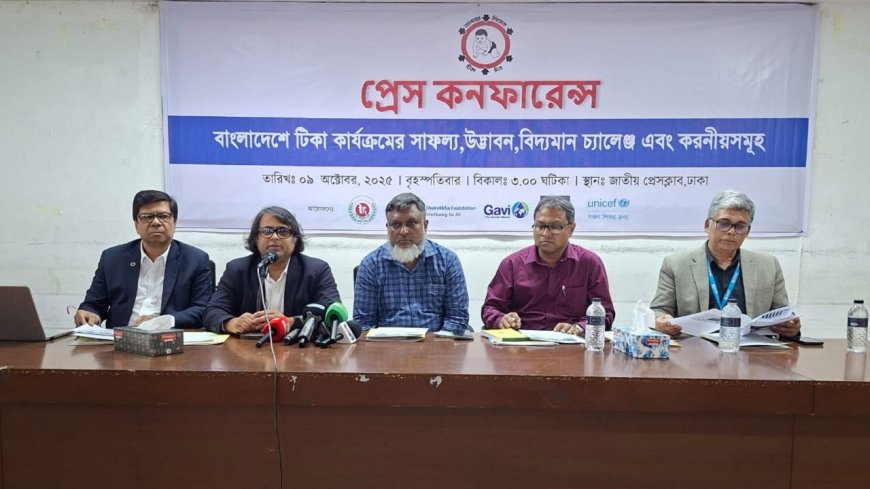
These observations were made at a press conference titled “Success, Challenges, and the Way Forward in Bangladesh’s Immunization Programme” held on Thursday afternoon, October 9, at the Abdus Salam Hall of the National Press Club.
It was announced during the event that a nationwide typhoid vaccination campaign will be conducted from October 12 to November 13. Under this drive, approximately five crore (50 million) children aged between nine months and under fifteen years will receive the Typhoid Conjugate Vaccine (TCV). However, significant challenges persist. Around 40 percent of the sanctioned positions under the national immunization project remain vacant — including those of health assistants, inspectors, EPI technicians, and 43 percent of headquarters posts. At the district level, 53 percent of cold chain technician positions are unfilled.
The press briefing, organized with support from the EPI and as part of a joint advocacy project by UNICEF Bangladesh and the Health Protection Foundation, featured a keynote presentation by Dr. Nizam Uddin Ahmed, Executive Director of the Health Protection Foundation, and Dr. Riyad Mahmud, Health Manager of UNICEF Bangladesh. UNICEF Bangladesh’s Chief of Health, Dr. Chandra Shekhar Solomon, was also present at the event.
In his welcome remarks, Professor Dr. Md. Rafiqul Islam, Policy Adviser of the project, emphasized the need for strengthened coordination and innovation to sustain the programme’s gains.
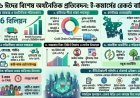
Speakers noted that over the past two decades, more than 50 million children have been vaccinated, preventing an estimated 94,000 child deaths annually. The EPI has helped reduce under-five mortality by 81.5 percent. Studies show that every dollar invested in vaccination yields a return of USD 25.4, underscoring that immunization remains one of the most cost-effective health and development investments.
The event further revealed that the government has allocated a budget of BDT 1,400 crore to ensure smooth implementation of vaccination activities. Recruitment of new vaccinators has already been completed in 24 districts, and with UNICEF’s support, vaccine shortages are expected to be resolved by November.