































Body Cameras for Ballot Booths: Bangladesh Plans Security Reinforcement Ahead of National Election
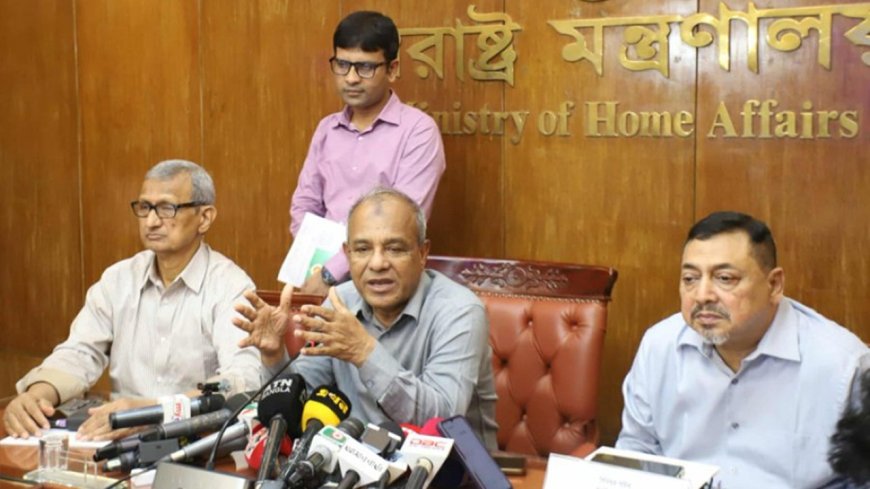



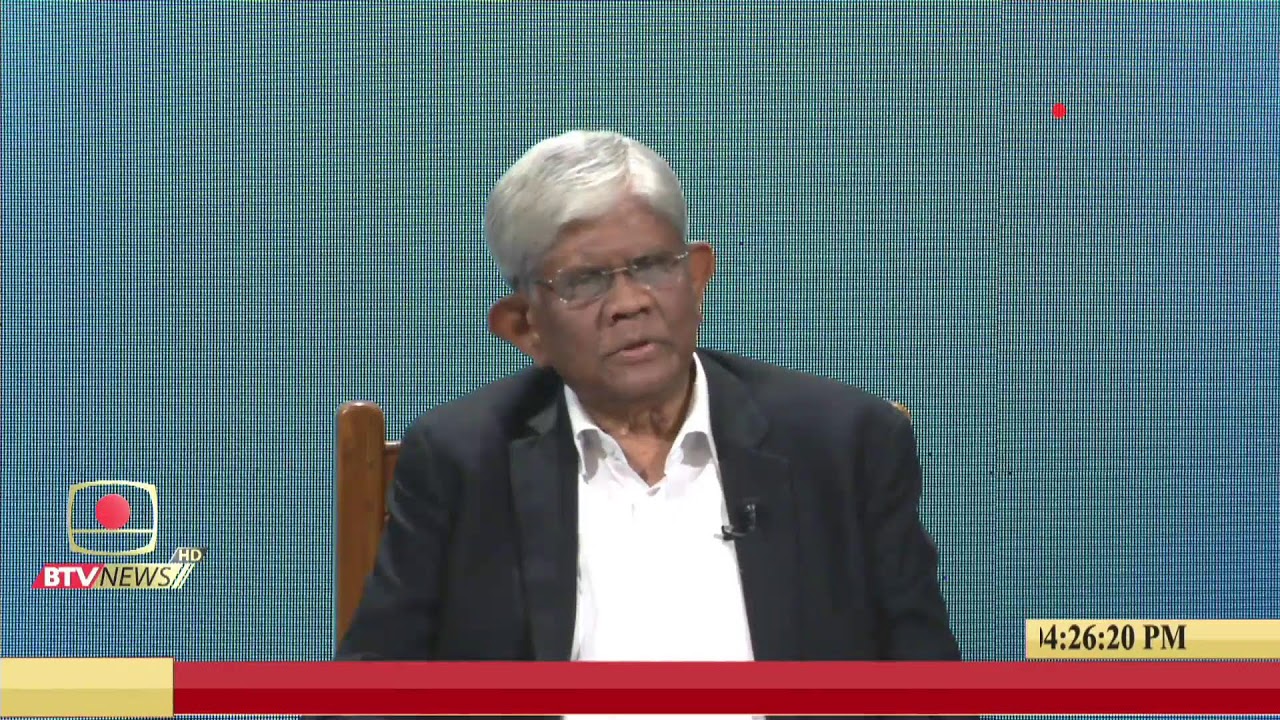
In preparation for the upcoming 13th National Parliamentary Election, the government of Bangladesh plans to equip all 47,000 polling stations with body cameras to bolster law enforcement monitoring and electoral transparency. The announcement was made by Security Adviser Lt. Gen. (Retd.) Jahangir Alam Chowdhury on Wednesday, August 6, following a high-level meeting at the Ministry of Home Affairs.
The meeting was convened to finalize the strategic deployment and logistical support required by law enforcement during the election. It was attended by Special Assistant to the Adviser on Home Affairs Khoda Baksh Chowdhury, Senior Secretary of the Ministry of Home Affairs Nasimul Ghani, and other key officials.
Lt. Gen. Chowdhury stated, “Today we discussed the total number of forces required to manage the election nationwide. We’ve also decided to provide a body camera for each polling station. The discussion included how these devices will be assigned and monitored. Presiding officers will be required to stay at their assigned centers rather than private accommodations, with security support from both Ansar and police personnel.”
When asked who will be assigned the body cameras, he clarified, “We will try to provide one body camera per polling center. The senior police official posted there will be responsible for it. All forces will be trained, and we have requested the Election Commission to provide training to polling and presiding officers as well. Following the training, we will also organize mock drills to ensure the preparedness of all stakeholders.”
Regarding overall deployment, he added, “Around 800,000 law enforcement personnel will be involved in election duties, ranging from Ansar to the armed forces. Every unit will undergo specialized training.”
On the recent reassignment of 76 officers, he noted, “This is a routine matter and will continue as needed.”
Touching on the politically sensitive issue of administrative appointments, the adviser stated, “Deputy Commissioners (DCs), Superintendents of Police (SPs), UNOs, and Officer-in-Charge (OCs) play critical roles in elections. Historically, candidates have lobbied for favorable officials in their constituencies. This time, we have decided to hold a public lottery in front of the media for assigning SPs and OCs. Regardless of their current posts, officials will be reassigned through this lottery process before the election.”
This initiative marks a significant step toward transparency and accountability in the electoral process, aiming to curb irregularities and restore public confidence in election administration.