




































Surcharge Showdown: Legal Notice Challenges Mobile Levy for Padma Bridge
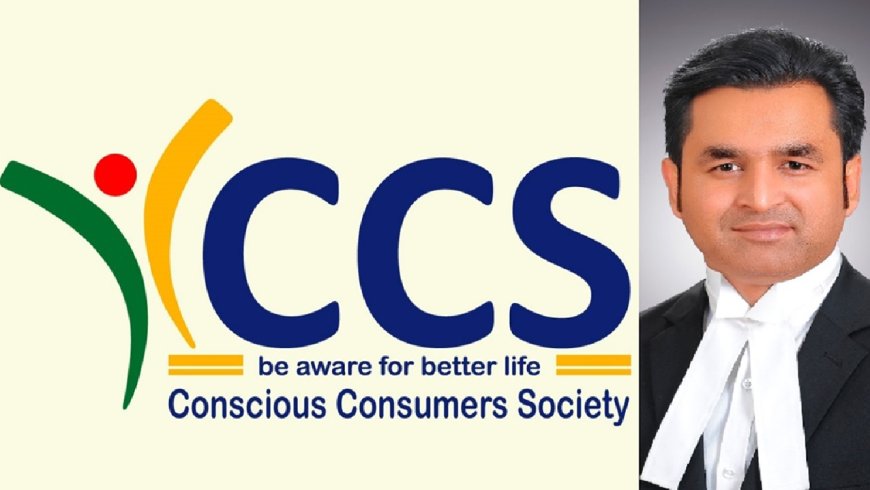



The non-governmental consumer rights organization, Conscious Consumers Society (CCS), has issued a legal notice to the government and relevant authorities demanding an end to the ongoing 1% surcharge imposed on mobile phone expenditures, originally introduced to fund the construction of the Padma Bridge. The notice, issued on Wednesday, June 4, requests that the surcharge collection be discontinued within seven days. It warns of further legal action if the demand is not met within the stipulated period.
CCS argues that since the construction of the Padma Bridge has been completed, the continued imposition of the surcharge without a defined timeline violates consumer interests and is therefore unlawful. As part of the initial legal step, notices were sent to the secretaries of the Ministry of Finance, the Ministry of Posts, Telecommunications and Information Technology, the Ministry of Law, the Bangladesh Bridge Authority, the Internal Resources Division, and the chairpersons of the National Board of Revenue (NBR) and Bangladesh Telecommunication Regulatory Commission (BTRC). The managing authorities of mobile operators Grameenphone, Banglalink, Robi, and Teletalk were also served.
The notice was sent by Supreme Court lawyer A. K. M. Azad Hossain on behalf of CCS Executive Director Palash Mahmud.
According to the notice, “A one percent surcharge on mobile phone usage was imposed in 2016 to fund the construction of the Padma Bridge, and this continues to date. Over Tk 2,000 crore has already been collected from consumers through this surcharge. However, despite the bridge being inaugurated in 2022, the deduction has not ceased.”
The notice further states, “To collect this surcharge, the government enacted the ‘Development Surcharge and Levy (Imposition and Collection) Act’ in 2015. Under this act, the Internal Resources Division issued a gazette notification on March 10, 2016, initiating surcharge collection. But Section 4 of the Act stipulates that the government may impose such a surcharge for a fixed period via gazette notification. The current surcharge was initiated without any time limitation, and though nine years have passed, no steps have been taken to discontinue it, which is in conflict with the law.”









