






































































































































































Policy Promise, Practice Peril in Telecom and ICT Reforms




Despite significant changes in telecom and ICT policies following the July uprising, concerns remain over their practical implementation, according to Professor Dr. M. Niaz Asadullah, who worked on the white papers for both sectors.
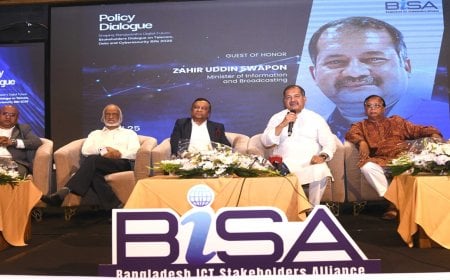
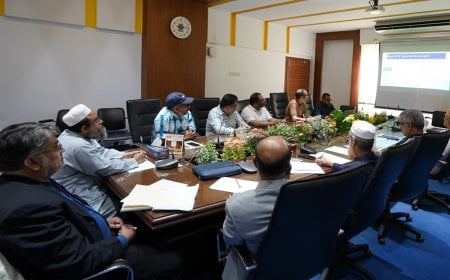
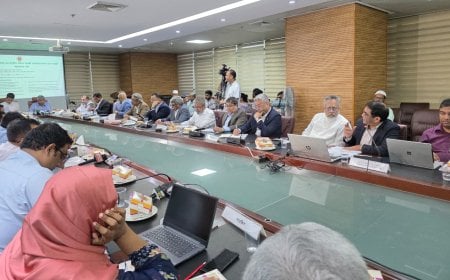
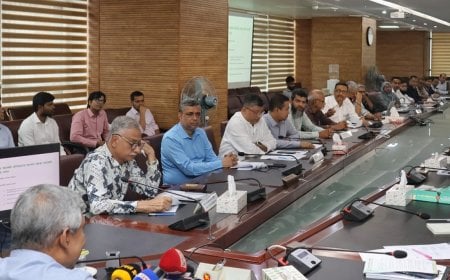
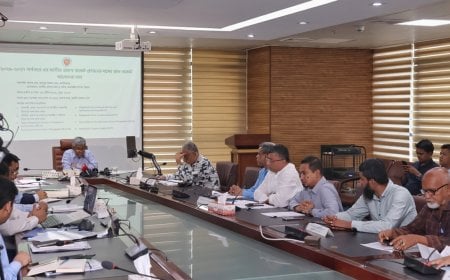
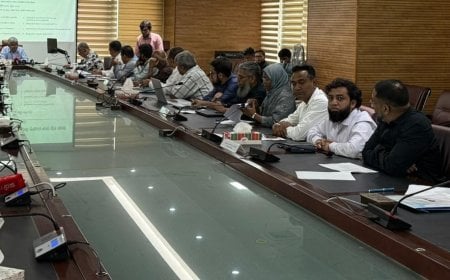
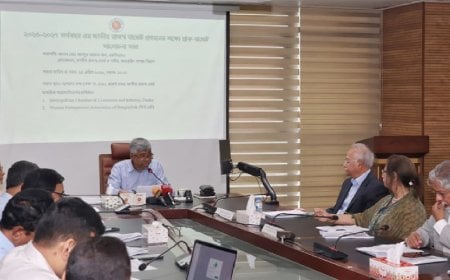
He expressed these concerns on Wednesday, January 14, while speaking at a policy dialogue titled “Reform Blueprint for the ICT and Telecom Sectors”, held at the DBBL Building in the capital.
Dr. Niaz Asadullah noted that while the proposed telecom law has been welcomed for being future-oriented and inspiring optimism, discussions have largely ignored the issue of implementation. “What is the guarantee that a policy shift will actually lead to changes in practice?” he asked, adding that this uncertainty was a key reason the white paper included strong reform recommendations.
He raised serious doubts about the Bangladesh Telecommunication Regulatory Commission’s (BTRC) capacity to manage such changes, citing controversial and fragile internal management and human resource structures. He also alleged that BTRC’s social responsibility fund had effectively turned into a political fund in the past, with little to no oversight.
Commenting on governance practices, Dr. Asadullah said both the ICT and telecom ministries fail to use data effectively in internal administration. He pointed out that since 2021, the use of the e-GP system—meant to ensure transparency in public procurement—has been minimal in the ICT Division. More strikingly, he noted that a2i, the very institution that introduced e-GP, did not conduct a single tender through the system until 2024. “Even more unfortunate,” he added, “was the absence of any capable entity to question this.”
He further criticized the transformation of the Hi-Tech Park Authority under the ICT Division into what he described as a “training authority,” alleging widespread wastage of resources in the name of training—an area largely ignored in reform efforts. According to him, even within the Ministry of ICT, there is a lack of effective use of information technology in internal management.
“The ministry responsible for digital transformation is failing to demonstrate digital transformation in its own internal governance,” he remarked, questioning the credibility of the broader transformation agenda. He added that procurement systems and record-keeping within the ministry are not digitized, making it difficult to resolve irregularities during investigations. He also highlighted the absence of feedback loops in governance mechanisms.
Outlining future challenges, Dr. Asadullah said digital transformation has always been a major component of political campaigns across governments, and this trend is likely to continue. He warned that government officials will face mounting pressure and questioned how they will navigate these challenges without clear guidance, discussion, or advocacy. He also pointed to persistent statistical inconsistencies in the sector, concluding that the real question going forward is not policy formulation, but implementation capacity.
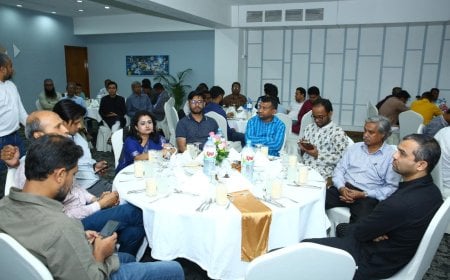
The policy dialogue, organized by Voice for Reform, was attended by Faiz Ahmed Taiyeb, Special Assistant to the Chief Adviser, as the chief guest. Moderated by TIPAP Coordinator Fahim Mashroor, the discussion featured BTRC Commissioner Brigadier General Iqbal Ahmed, former Robi Managing Director Mahtab Uddin Ahmed, and Bondstein Founder Mir Shahroukh Islam, among others.
DBTech/MUM/EK/OR