






































SpaceX’s Sky-High Valuation: Five Pillars Behind a $1.75 Trillion IPO



The world’s largest initial public offering (IPO) is set to arrive on the stock market later this year as SpaceX, the space company founded by Elon Musk, prepares to make its public market debut. The company has reportedly set its initial valuation at approximately $1.75 trillion, a figure said to exceed the combined value of many leading defense and aerospace firms worldwide and place it close to Amazon.
To the general public, SpaceX is often associated with successful rocket launches and occasional high-profile rocket explosions during live streams. This naturally raises the question: How can a rocket company be worth nearly $2 trillion? Over the past two decades, SpaceX has evolved far beyond a rocket manufacturer into a diversified business empire. Below is an analysis of the key pillars driving its valuation.
Falcon 9 and Falcon Heavy: The Workhorses of Space
For the past 16 years, SpaceX’s Falcon 9 rocket has served as a major engine of the American space industry. It has already completed more than 600 missions, transported dozens of astronauts to the International Space Station, and deployed numerous military satellites into orbit.
SpaceX has refined the technology of recovering rocket boosters and reusing them multiple times. According to industry estimates cited in the report, the company generated roughly $5 billion in launch-related revenue in 2015. However, most Falcon 9 launches today are dedicated to deploying the company’s own Starlink satellites and are often conducted at production cost.
Starlink Satellite Internet: The Revenue Engine
The report identifies Starlink as the primary driver behind SpaceX’s near-$2 trillion valuation.
According to the cited figures, Starlink generated approximately $12.8 billion in revenue in 2015 and surpassed 8.4 million subscribers worldwide. As the largest satellite constellation ever deployed in Earth’s orbit, Starlink has transformed SpaceX from a specialized aerospace company into a globally recognized consumer-facing brand.
The substantial cash flow generated by Starlink is also helping finance Musk’s next major ambition: the development of the Starship program.
Starship Project: Mars Dreams and Wall Street Concerns
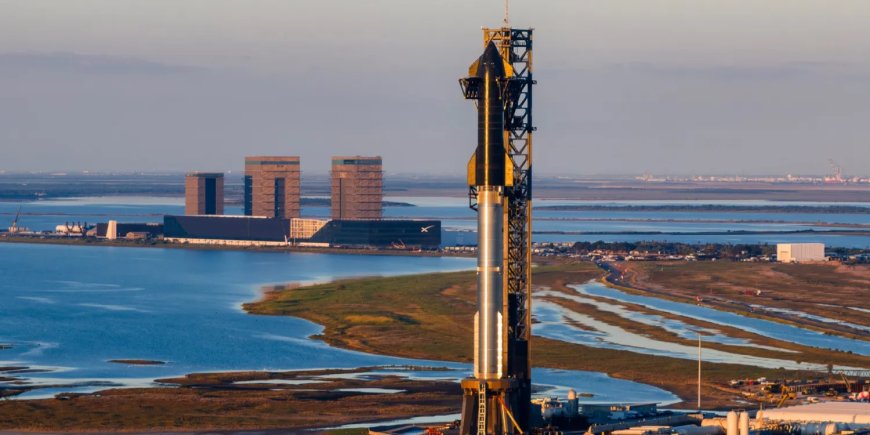
SpaceX has reportedly invested around $15 billion at its Starbase facility in Texas to develop Starship, the largest fully reusable rocket ever built.
Both NASA’s long-term lunar ambitions and Musk’s vision of establishing a human settlement on Mars depend heavily on Starship’s success.
However, experimental Starship explosions remain a concern for short-term investors. Previous rocket failures at publicly traded aerospace firms have often triggered sharp stock declines. Such market reactions are frequently cited as one reason Musk resisted taking SpaceX public for many years.
The successful orbital deployment of future Starlink Version 3 satellites is now considered a critical milestone for the Starship program.
Starshield: Pentagon’s Secure Partner
A specialized military and national-security version of Starlink, Starshield develops surveillance and communications satellites for the U.S. Department of Defense and other government customers.
SpaceX possesses the capability to manufacture thousands of satellites annually, while the Pentagon has the financial resources to procure them at premium prices. Although not the company’s primary business segment, defense contracts worth hundreds of millions of dollars provide an important additional revenue stream.
xAI Integration: SpaceX as an AI Company?
Perhaps the most intriguing aspect of the broader SpaceX ecosystem is the integration of Musk’s artificial intelligence company xAI, which develops the Grok chatbot and is associated with the social media platform X.
What does AI have to do with a space company? According to the report, Musk envisions future “orbital data centers” as a cornerstone of SpaceX’s long-term growth strategy. The concept involves placing computing hardware in space-based platforms powered directly by solar energy.
The proposed approach aims to reduce the energy demands and carbon footprint associated with terrestrial AI data centers while enabling satellite-based data processing capabilities.
With investor enthusiasm for AI-related ventures continuing to grow, the report argues that the combination of Starlink’s existing business strength and future AI opportunities could make SpaceX one of the most sought-after stocks when it eventually enters the public market.
DBTech/BMT/OR









