





































Fifty-Minute Moon Window for Ramadan Sighting
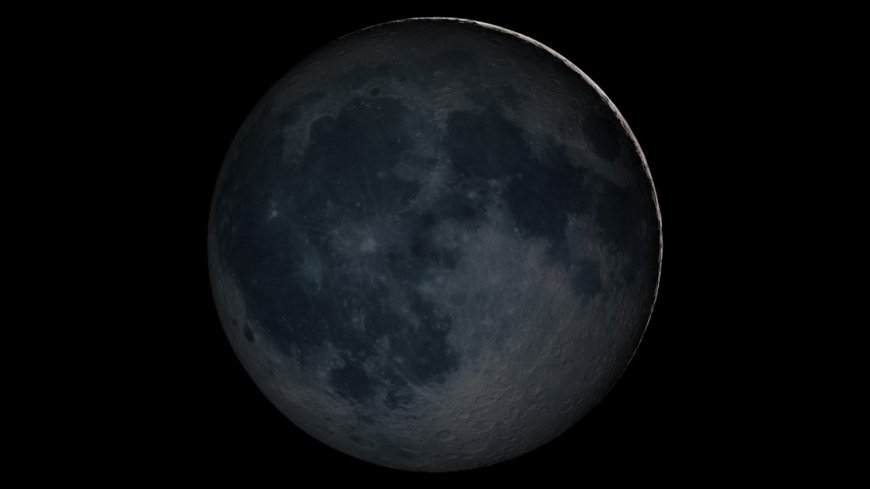



Astronomical observers have said that Bangladesh is likely to have an approximately 50-minute window to sight the new moon on Wednesday, February 18. According to the Bangladesh Weather Observation Team (BWOT), a private weather monitoring organization, the moon may remain visible in the western sky for about 50 to 51 minutes after sunset on that day.
The organization noted that this duration is comparatively favorable for sighting the Ramadan crescent with the naked eye. In a statement issued on Sunday, February 15, BWOT said that the new moon (astronomical new moon) will occur on the night of February 17 (Bangladesh time). However, on the very day the new moon is formed, it is generally not visible to the naked eye. For a crescent to be sighted, its age typically needs to be at least 12 to 18 hours under favorable conditions, and it must remain above the horizon for some time after sunset.
Given this, the chances of sighting the moon with the naked eye on the night of February 17 are considered very low in most parts of the world. However, attempts may be made in some regions using advanced telescopes and specialized optical equipment. Several Middle Eastern countries are expected to use state-of-the-art telescopes to observe the crescent. If they succeed in sighting the moon, fasting may begin there from February 18; otherwise, it is likely to commence on February 19.
BWOT further stated that sunset in Bangladesh on February 18 is expected at approximately 5:58 pm, while moonset is projected at around 6:49 pm. This means the moon will remain in the sky for roughly 50 to 51 minutes after sunset. By then, the moon’s age will have exceeded approximately 24 hours, which is generally considered comparatively favorable for naked-eye visibility. However, actual sighting will depend on several factors, including sky clarity, the presence of clouds near the horizon, air pollution levels, and the observer’s geographical location.
It may be recalled that last year Bangladesh celebrated Eid on the same day as several Middle Eastern countries. This year as well, due to a relatively small astronomical time difference, observers suggest that a “close call” situation could arise regarding the start of Ramadan.
DBTech/DHE/SH/OR









