





































A Comprehensive Comparison
Advantages of Broadband Internet Over Fixed Wireless Access
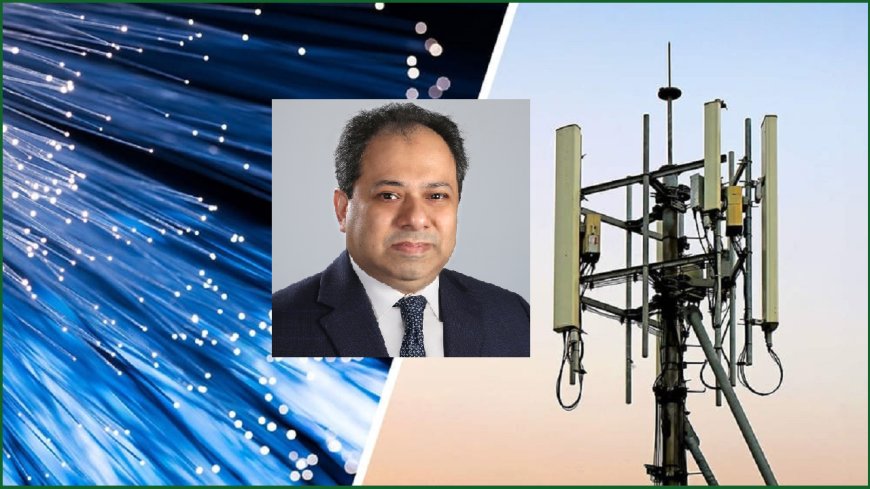


As technology evolves, the way we connect to the internet has diversified. Two common options for home and business connectivity are broadband internet (typically delivered via cable, fiber, or DSL) and fixed wireless access (FWA) internet. Understanding the advantages of broadband internet over fixed wireless access can help users make informed decisions about their connectivity needs. The ISPs in Bangladesh successfully deployed the highspeed broadband service from 100mbps to 1gbps throughput up to rural level with a very affordable price using fiber optic technology.
1. Greater Reliability and Stability
Broadband internet connections, especially those using fiber optic or cable infrastructure, are generally more reliable and stable than fixed wireless access. Wired connections are less susceptible to environmental factors such as weather conditions, physical obstructions, or electromagnetic interference, which can affect the quality and consistency of wireless signals.
2. Higher Speeds and Bandwidth
Broadband internet often provides higher maximum speeds and greater bandwidth than fixed wireless access. Fiber-optic broadband, in particular, can deliver gigabit speeds suitable for data-intensive tasks like streaming high-definition video, online gaming, and large file transfers. In contrast, fixed wireless access is typically limited by spectrum availability and signal strength, resulting in lower maximum speeds.
3. Lower Latency
Latency, or the time it takes for data to travel between the user and the internet, is generally lower with broadband connections. This is particularly important for real-time applications such as video conferencing, online gaming, and VoIP calls. Fixed wireless access can experience higher latency due to signal transmission and potential interference.
4. Less Susceptibility to Environmental Factors
Broadband internet delivered via wired infrastructure is less affected by environmental factors like rain, snow, or physical obstructions (trees, buildings) that can interfere with wireless signals. This leads to a more consistent and dependable connection throughout the year.
5. Scalability and Upgradability
Broadband networks, especially fiber, are highly scalable and can be upgraded to support faster speeds and new technologies as demand increases. Fixed wireless access is limited by the capabilities of the wireless spectrum and equipment, making upgrades more challenging and sometimes requiring significant investment in new hardware.
6. Higher Data Caps or Unlimited Data
Broadband internet plans often come with higher data caps or even unlimited data options, making them more suitable for heavy internet users or households with multiple connected devices. Fixed wireless access providers may impose stricter data limitations due to bandwidth constraints.
While fixed wireless access internet can be a valuable solution in rural or hard-to-reach areas, broadband internet delivered via wired infrastructure offers significant advantages in terms of speed, reliability, latency, scalability, and overall performance. For users who have access to both options, broadband is generally the preferred choice for robust and future-proof connectivity.
In Bangladesh, the approval of Fixed Wireless Access (FWA) was granted during the previous administration and led by then The State Minister (Zunaid Ahmed Palak), without public consultation or input from relevant trade organizations. During that period, BASIS, ISPAB, BACOO, and e-Cab were not involved in the consultation process. Throughout the last regime, the Bangladesh Telecommunication Regulatory Commission (BTRC) experienced changes in leadership, with several politically appointed Chairmen. These appointments contributed to a perceived shift in BTRC’s autonomy, with some stakeholders expressing concern regarding responsiveness to general telecom operators' interests. There have been many instances of monopolies, duopolies, and even syndicates forming to gain control and capture market share in unethical ways. In the past, a few ambitious businesspeople, often working with politicians, would manipulate the law or exploit the system to gain an unfair advantage over regular operators, leaving no room for fair competition. The new telecom policy promises to benefit FTSP operators, but only if it manages to regulate appropriately without excessive intervention. According to public demand, fixed wireless internet should be reserved exclusively for FTSP operators, while mobile wireless internet should remain under the domain of CMSP operators. This division is crucial not only to public interest, but also to safeguarding the livelihoods and survival of 1 million families working in 2,200 domestic FTSP operators.
Author: Saiful Islam Siddique, Senior Vice President, ISPAB, Publisher, Digital Bangla Media.









