

































































































































































Postal Paradigm: Bangladesh Drafts Modern ‘Postal Services Ordinance 2025’




More than a century after the enactment of the colonial-era postal law of 1898, Bangladesh is poised to introduce sweeping reforms in its postal system with the proposed Postal Services Ordinance 2025. The draft, prepared by the Department of Posts and Telecommunications, aims to modernize postal operations by incorporating courier regulations, data privacy, consumer protection, and digital communication mechanisms. The draft ordinance has been published online, with the Director General of Bangladesh Post inviting public feedback via email at dg@bdpost.gov.bd.
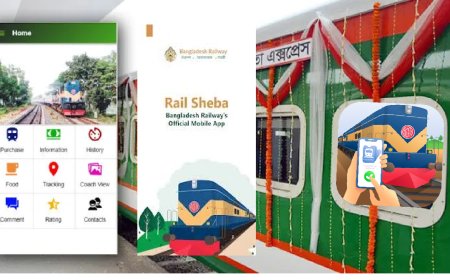
The proposed ordinance integrates advanced technology and innovation into Bangladesh Post’s commercial operations, introducing modern features such as mobile app–based postal services, electronic tracking and delivery, and e-commerce facilitation. The draft outlines extensive updates and reforms, including provisions on postal life insurance, savings bank operations, courier service regulation, consumer protection, interoperability, and personal data privacy.
It has also been clarified that the Postal Department will function as the “National Postal Operator” and operate in line with international standards.
Once enacted, this new ordinance will replace one of the country’s oldest administrative laws. It is described as a comprehensive reform framework to transform Bangladesh’s postal and courier sectors into a modern, digital, and business-friendly ecosystem. The document states that “Postal Services Ordinance 2025” envisions transforming Bangladesh Post from a traditional letter-carrying institution into an integrated digital service network—connecting government services, financial transactions, e-commerce, and logistics management under one platform.
Under the new law, Bangladesh Post will be formally designated as the National Postal Operator, providing not only mail services but also financial, e-commerce, courier, and logistics operations.
The ordinance mandates that all public and private postal and courier operators must obtain government authorization or a license. Conducting postal or courier business without such approval will be subject to legal penalties.
Incorporating new provisions on customer protection, information privacy, and data security, the ordinance makes it mandatory for postal or courier operators to ensure confidentiality—any unauthorized disclosure of postal information or data will result in liability for the concerned entity.
The law also includes modern services such as postal savings bank operations, postal life insurance, express courier delivery, and digital and mobile post offices. The government stated that through this legislation, Bangladesh Post is being developed “not merely as a message carrier, but as a service-oriented digital network for the modern era.”
Special measures will ensure universal postal access in rural and remote areas. In compliance with the Universal Postal Union (UPU) regulations, Bangladesh Post will also be authorized to enter into agreements with foreign postal and e-commerce organizations.
The ordinance specifies that all financial operations of the postal department will be managed through the government’s Treasury Single Account (TSA) system, with service monitoring conducted via software-based digital systems. However, postal transactions related to government, diplomatic, and security communications will remain exempt from the general provisions of the law. Personal letters and parcels, meanwhile, will continue to follow prescribed procedural rules.