





































EC Enforces AI and Drone Ban Ahead of National Election



The Election Commission (EC) has decided to prohibit the use of artificial intelligence (AI)-driven misinformation campaigns and drones during the upcoming 13th National Parliamentary Election. The move aims to ensure law and order, as well as maintain confidentiality during the polls, according to the EC’s law and order meeting documents.
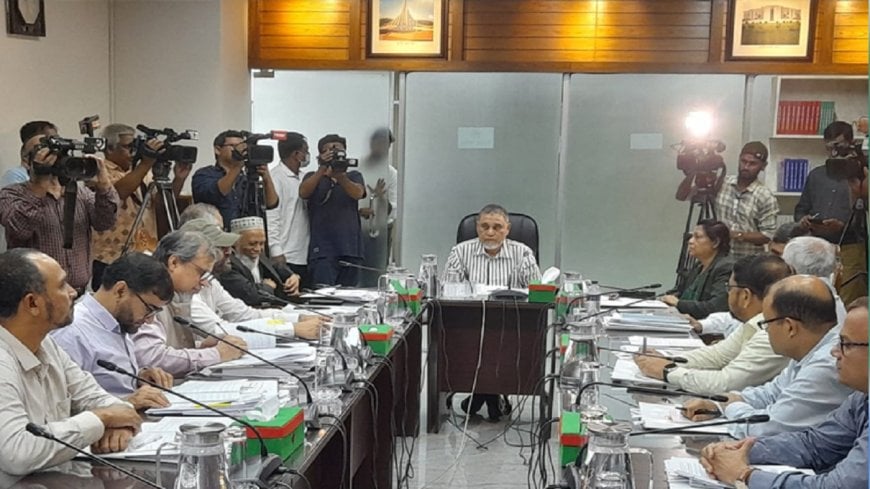
The decision was made during a high-level meeting held on Monday, 20 October, at the EC Secretariat in Agargaon, Dhaka. The session, chaired by Chief Election Commissioner (CEC) A M M Nasir Uddin, was attended by four Election Commissioners, the EC Secretary, Home Ministry Senior Secretary Nasimul Gani, Inspector General of Police Baharul Alam, and senior representatives from the Army, Navy, Air Force, Armed Forces Division, Border Guard Bangladesh (BGB), Coast Guard, Ansar, RAB, NSI, DGFI, NTMCC, CID, and the Special Branch (SB).
According to the working paper signed by Monir Hossain, Deputy Secretary of the Election Conduct-2 Branch, although drones are modern technology, their use during elections may create various risks and challenges. The document outlined four primary reasons for the ban—privacy violations, security threats, legal breaches, and data theft.
It stated that drones could potentially invade voters’ private spaces, offices, or polling booths, thereby compromising ballot secrecy. Unauthorized drones might also carry hazardous materials or explosives, posing a serious risk to polling centers and public gatherings. Moreover, the paper noted that many operators disregard aviation laws, making uncontrolled drone flights a threat to public order in electoral zones. Additionally, photos or videos captured by drones could be misused, undermining the credibility of the election.
Under EC directives, several key operational measures are being planned to maintain a peaceful election environment—recovering illegal firearms, ensuring minority community security, facilitating foreign election observers, and curbing AI-based misinformation on social media platforms.
Postal Ballot Security and Logistics
The EC has emphasized strict security in the management of postal voting for expatriates and eligible postal voters. Postal ballot papers must be securely sent through the postal service to relevant countries and returned safely to the returning officer’s office under continuous monitoring.
Law Enforcement and Security Deployment
To ensure polling station security, police, Ansar, village police, RAB, BGB, Coast Guard, Armed Police, and the Armed Forces will operate as striking forces under the supervision of magistrates. Following the vote, mobile teams and striking forces will remain deployed for 48 hours to prevent post-election violence or unrest. Executive and judicial magistrates, along with electoral inquiry committees, will conduct summary trials during this period.
Three-Phase Security Strategy
The EC has outlined a three-phase security strategy for the law enforcement agencies:
Before the Election Schedule Announcement:
Under the supervision of the Home Ministry, legal action will be taken against identified criminals, terrorists, and those attempting to disrupt the electoral process. This phase will also focus on recovering illegal weapons and preserving communal harmony.
From Schedule Announcement to Election Day:
This period is deemed critical for ensuring a free and fair election. Law enforcement agencies will safeguard both candidates’ campaign activities and voters’ rights to vote without intimidation. Security at polling centers and in surrounding areas will be maintained by the police, Ansar, and village police, supported by mobile teams and striking forces comprising RAB, police, BGB, Armed Police Battalion, battalion Ansar, Coast Guard, and the Armed Forces under the supervision of magistrates.
Post-Election Operations:
For 48 hours following the polls, mobile teams and striking forces will remain on duty to assist local law enforcement in preventing post-election violence. Executive magistrates will provide legal directives, while judicial magistrates and electoral inquiry committees will conduct expedited judicial proceedings.
This comprehensive ban on AI propaganda and drone usage underscores the Election Commission’s commitment to ensuring transparency, voter privacy, and public safety in the forthcoming national election.









