






































































































SAARC Seeds Synergy: Virtual Workshop Boosts Hybrid Vegetable Expertise
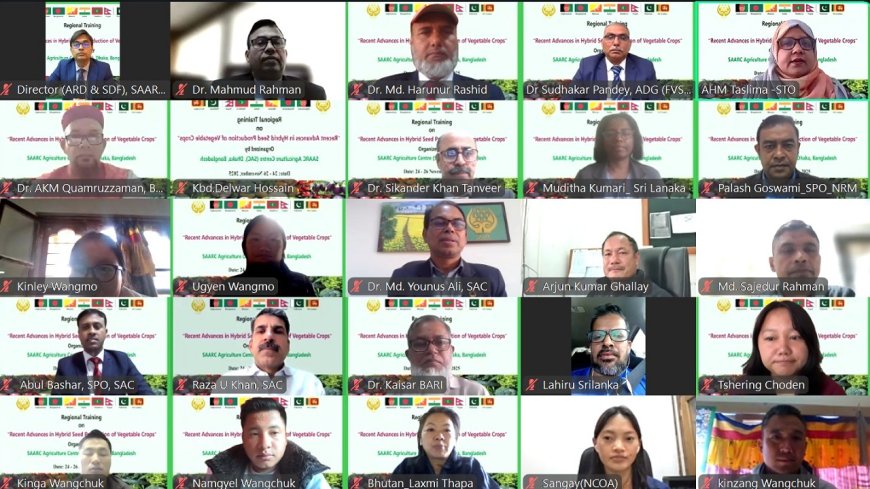



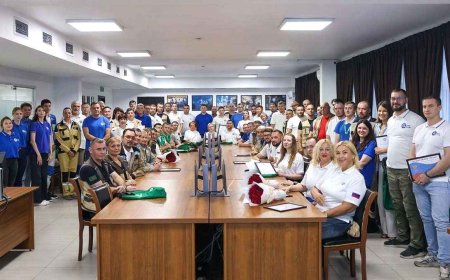
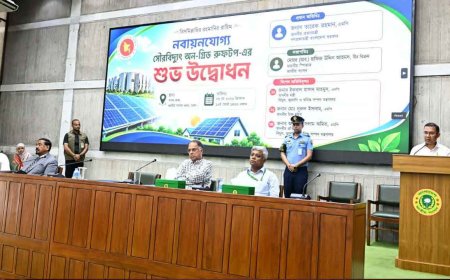
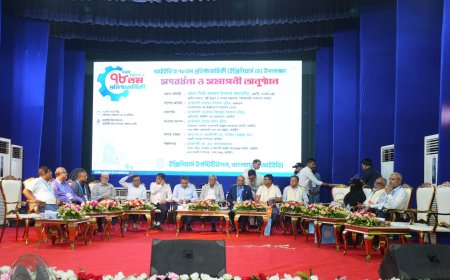
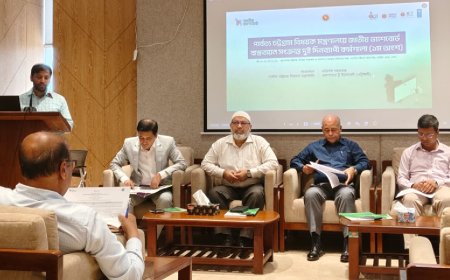
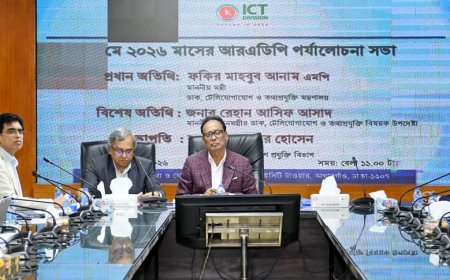
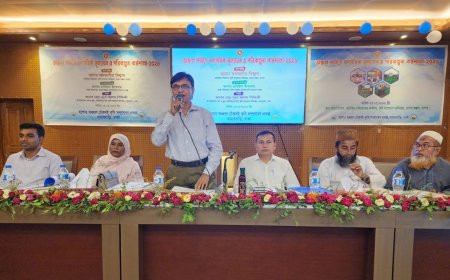
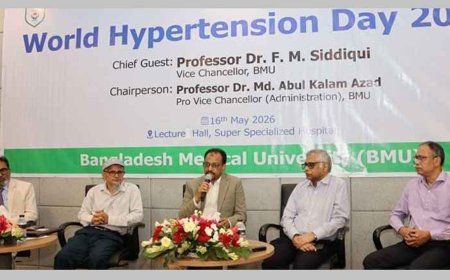
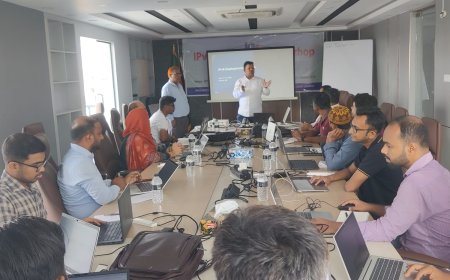
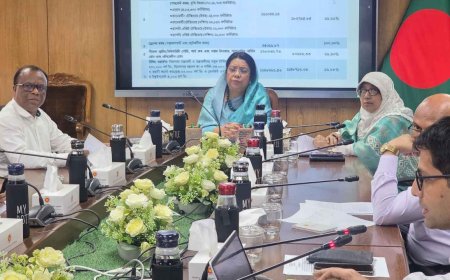
A three-day virtual training workshop titled “Recent Advances in Hybrid Vegetable Seed Production in SAARC Member Countries”, organized by the SAARC Agriculture Centre (SAC), was inaugurated on Monday, 24 November. The workshop aims to provide participants from member countries with knowledge of the latest techniques used in hybrid vegetable seed production. Scientists and experts from various SAARC countries are taking part.
In his inaugural speech, SAC Director Dr. Md. Harunur Rashid emphasized that hybrid seed technology is critical for ensuring food and nutrition security in South Asia. He highlighted the importance of strengthening research capabilities, producing quality seeds, and using climate-resilient technologies to enhance regional productivity. He added that increasing collaboration, knowledge sharing, and capacity development would further strengthen high-quality, climate-resilient hybrid vegetable seed production.
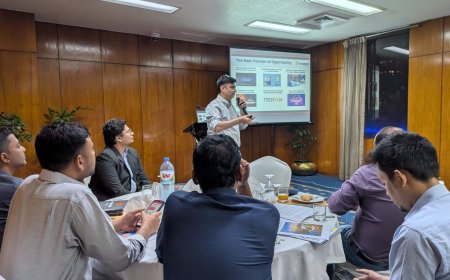
Dr. Sikandar Khan Tanvir, Senior Programme Specialist (Crops) at SAC, presented the objectives and technical sessions of the workshop. The training covers hybridization methods for various vegetable crops, processing techniques, and seed marketing, which will enhance the seed production capabilities of member countries.
The keynote paper was delivered by Dr. Sudhakar Pandey, Additional Director General of the Indian Council of Agricultural Research (ICAR). He said recent advances in hybrid seed production play a vital role in increasing yields, improving quality, and mitigating the impacts of pests, diseases, and climate change. He also stressed the importance of strengthening regional collaboration to boost vegetable production in South Asia.
Special guest Tanvir Ahmed Torfadar, Director (ARD & SDF) at the SAARC Secretariat, noted that this training is timely as member countries are focusing on increasing vegetable production to achieve nutrition security. He said experience sharing, country-specific presentations, and regional cooperation would accelerate hybrid seed development and commercialization.
Chief guest Dr. Md. Mahmudur Rahman, Additional Secretary (PPC) at the Ministry of Agriculture, highlighted that hybrid vegetable seeds are an effective means to increase yields, quality, and farmers’ income. However, limited availability of quality seeds, climate pressures, and shortage of trained personnel remain major challenges.
Participants discussed issues including import dependence for regional hybrid vegetable seeds, weaknesses in research-extension systems, and gaps in seed certification and quarantine. Experts emphasized joint research, germplasm exchange, public-private partnerships, and integrated seed standards to strengthen regional seed security.
DBTech/ABM/IH/OR