





































Chinese Memory Chips May Ease Soaring RAM, SSD Prices
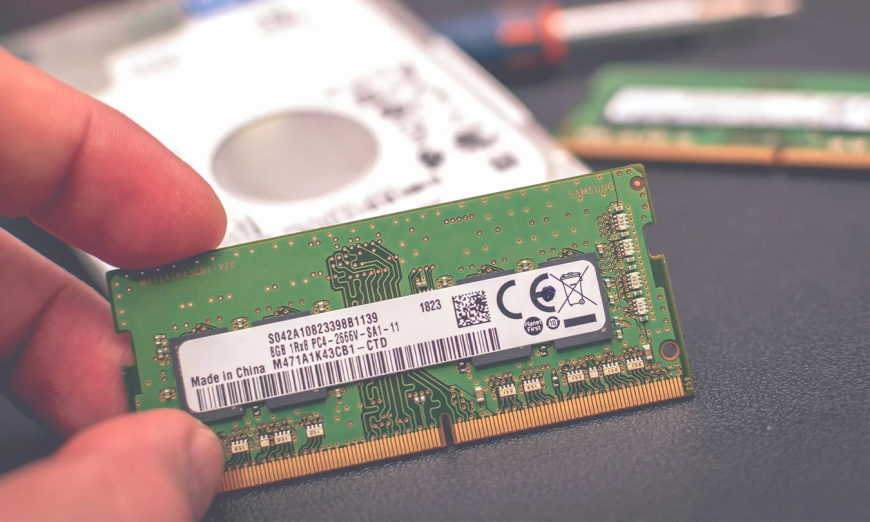



After months of unusually high prices in the global RAM and SSD storage market, signs are finally emerging that costs may gradually begin to stabilize. Interestingly, the possible relief is coming not from traditional industry giants, but from China’s rapidly expanding semiconductor sector.
According to growing reports in the international technology market, renowned hardware manufacturer Corsair has reportedly begun testing new DDR5 memory modules using lower-cost DRAM chips produced by Chinese memory maker ChangXin Memory Technologies, widely known as CXMT.
Market analysts believe the arrival of these inexpensive Chinese chips could significantly disrupt the global memory market at a time when DDR5 RAM prices remain exceptionally high. While similar DDR5 memory kits from major international brands are currently selling for around 300 to 400 US dollars, CXMT-based modules are reportedly appearing in the market for nearly half that price — around 150 dollars.
Chinese Chipmakers Expanding Rapidly
China’s memory-chip push is no longer viewed as a small experimental effort. CXMT has already captured nearly 8 percent of the global DRAM market and is aggressively expanding DDR5 production capacity.
At the same time, another Chinese semiconductor company, Yangtze Memory Technologies (YMTC), has emerged as a major force in the SSD and NAND flash storage market. Industry estimates suggest the company now controls roughly 11 to 13 percent of the global NAND flash sector.
Analysts say that when large volumes of lower-cost products enter the market, even dominant global manufacturers face pricing pressure. Even if companies like Corsair do not fully depend on Chinese chips, the existence of cheaper alternatives alone may force major players such as Samsung Electronics and SK hynix to reconsider pricing strategies.
Low Price, But Reliability Questions Remain
Despite the attractive pricing, Chinese memory chips still face major hurdles before they can seriously challenge established industry leaders like Samsung, SK hynix, and Micron Technology.
For laptop and PC manufacturers, low prices and fast speeds are not the only considerations. Long-term durability, firmware compatibility, supply consistency, and warranty risks are equally important factors.
Industry experts note that the biggest challenge for Chinese chipmakers is proving large-scale manufacturing reliability. It remains uncertain whether they can consistently supply defect-free silicon chips in quantities large enough to satisfy global demand.
Without a dependable supply chain, major global brands may use Chinese chips primarily as leverage in pricing negotiations with traditional suppliers rather than adopting them as permanent replacements.
US Restrictions Still Loom Over Chinese Chip Industry
The biggest obstacle facing China’s semiconductor expansion remains the ongoing technology conflict between the United States and China.
Washington has already imposed strict export restrictions targeting advanced semiconductor manufacturing equipment and high-bandwidth memory technologies used in AI servers. YMTC is already listed on a US trade blacklist, while discussions continue about expanding restrictions toward CXMT as well.
Because memory chips are considered strategically important components within the global computing industry, analysts believe the administration of Donald Trump could intensify trade measures targeting China’s semiconductor sector at any time.
Price Drops May Not Happen Overnight
Despite the growing competition, experts caution that consumers should not expect RAM and SSD prices to collapse immediately.
Large corporate buyers and major PC manufacturers still rely heavily on long-term supply agreements with trusted global partners such as Samsung and Micron.
However, market pressure is clearly increasing. If Chinese companies continue expanding production of consumer-grade RAM and SSD products beyond AI-focused markets, ordinary consumers may eventually benefit from significantly more affordable memory and storage upgrades for laptops and desktop computers.
DBTech/BMT/OR









