





































False Intel and Fatal Overconfidence: Chinese Tech Downs Indian Rafale in Massive Aerial Clash
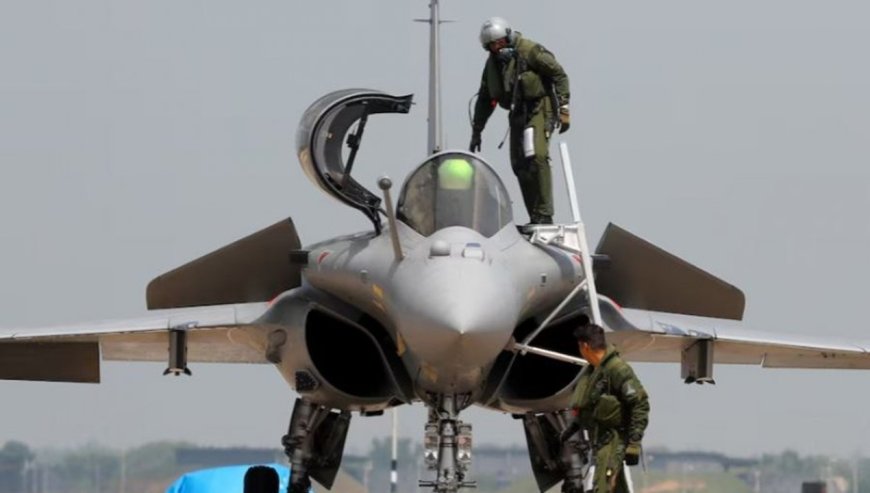



An Indian Rafale fighter jet was downed by Chinese-made J-10C aircraft during a dramatic aerial confrontation with Pakistan, according to a detailed report by French news agency Reuters. The account, based on interviews with two Indian and three Pakistani officials, highlights a rare and significant loss for the Indian Air Force, reportedly caused by faulty intelligence and overconfidence.
The incident unfolded following an attack in Indian-administered Kashmir, which India blamed on Islamabad. Though Pakistan denied involvement, India vowed retaliation, launching airstrikes inside Pakistani territory early on May 7.
Shortly after midnight, Pakistan’s Air Chief Marshal Zaheer Siddique—who had been sleeping on a mattress next to the operations room—was alerted by red signals on operational screens showing multiple enemy aircraft active near the border. He immediately ordered the launch of the Chinese-manufactured J-10C fighter jets, described as Pakistan’s most valuable air assets.
A senior air force official present in the operations room said Siddique specifically instructed his staff to target the French-made Rafale fighters. Considered a crown jewel of the Indian Air Force, the Rafale had never before been shot down in combat. The ensuing dogfight lasted nearly an hour in darkness.
Military experts suggest that nearly 110 aircraft were involved, making it one of the largest aerial battles in recent decades. At least one Rafale was shot down by Pakistan's J-10C, equipped with China’s long-range PL-15 air-to-air missiles. As Reuters had previously reported in May, this development stunned the defense world and triggered global debate over the efficacy of Western military technology compared to emerging Chinese alternatives. News of the Rafale's downing even caused shares of Dassault Aviation—the Rafale’s manufacturer—to dip, potentially affecting ongoing orders such as one from Indonesia.
Indonesia is now reportedly considering purchasing the J-10 instead, marking a potential diplomatic and commercial victory for China, which has been keen to export the aircraft.
According to Reuters' sources, the Rafale’s downfall was not due to a flaw in its design or performance. The core issue was faulty Indian intelligence, which underestimated the range of the Chinese PL-15 missile. Indian intelligence had assessed the missile’s range at only 150 kilometers, leading Rafale pilots to believe they were outside its strike envelope. One official stated, “We attacked them off guard.”
Additionally, Islamabad reportedly launched electronic warfare measures to confuse Delhi’s systems—though Indian officials later disputed the effectiveness of such attempts.
Justin Bronk, an air warfare expert at the Royal United Services Institute in London, commented, “The Indians didn’t think they could be hit. But the PL-15 is very effective at long range.” According to Pakistani officials, the PL-15 missile that brought down the Rafale was fired from nearly 200 kilometers away. Indian sources suggested the actual distance could be even greater—possibly marking one of the longest air-to-air kills in history.
Neither India’s Ministry of Defence nor its Ministry of External Affairs commented on the intelligence failure or acknowledged the loss of the Rafale. However, in June, the French Air Force Chief said he had seen evidence confirming the loss of one Indian Rafale and a Russian-made Sukhoi, among three total aircraft.
In the same month, a top Dassault executive testified before the French Parliament that India had indeed lost one Rafale, though he declined to provide further details. Pakistan’s military, meanwhile, emphasized in a previous statement that “it’s not just the weapons, but our professional preparedness and morale that make the difference.”
China’s Ministry of Defence, as well as Dassault and Sukhoi’s parent company United Aircraft Corporation (UAC), declined to comment on the matter when approached by Reuters.
The May 7 aerial clash between India and Pakistan continues to generate headlines in both countries. The latest claim of shooting down a top-tier Indian fighter jet has added fuel to the geopolitical fire, with Pakistan now spotlighting the incident as a testament to its aerial superiority.









