





































Coalition Recommends for Using Online and Digital Technology to Ensure Justice in Rape Cases
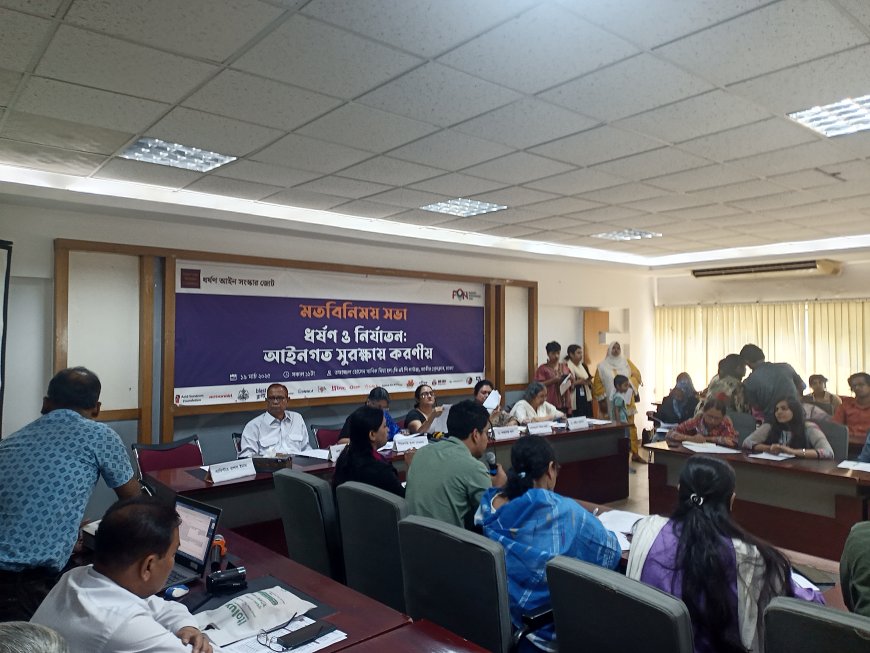



The Coalition for Rape Law Reform has emphasized the need for digital technology in rape cases, including accepting complaints online through apps as official First Information Reports (FIRs) and allowing digital evidence and witness testimonies. Additionally, the coalition has urged the implementation of eight short-term and two long-term demands to ensure justice for survivors.
These demands were presented on Wednesday, March 19, at a discussion titled “Rape and Abuse: Legal Protection Measures” held at Tofazzal Hossain Manik Miah Hall of the National Press Club. The event was attended by members of 17 organizations, along with university faculty, legal experts, and researchers.
Speakers at the discussion stated that the campaign for rape law reform began in 2018, with the primary objective of identifying gaps in existing legal and institutional frameworks that hinder the prevention of rape and the delivery of justice to survivors. They emphasized that the rising incidence of gender-based and sexual violence across the country necessitates urgent legal reforms.
The coalition has outlined its 10-point demand based on the current social and legal landscape.
The short-term demands include amending rape laws in line with human rights standards, broadening and ensuring a non-discriminatory definition of rape, defining penetration within the legal framework, ensuring justice for survivors with disabilities, enacting laws to protect witnesses and victims, prohibiting the use of character evidence against survivors, banning the two-finger test, providing gender-sensitivity training for judicial officials, and incorporating consent education in school curricula.
The two long-term demands include ensuring proportional sentencing guidelines and establishing a state-managed compensation fund for rape survivors.
The discussion was chaired and moderated by Professor Shahnaaz Huda of Dhaka University’s Department of Law. The welcome address was delivered by SM Rezaul Karim, legal advisor at BLAST. Advocate Ayesha Akhter, a legal specialist at BLAST, and Fahad Bin Siddique, senior research officer at BLAST, presented recommendations on the draft amendments to the Women and Children Repression Prevention Act.
The event also featured contributions from Dr. Kazi Zahed Iqbal, a panel lawyer at BLAST, Barrister Rashna Imam, Advocate Salma Ali, advisor to the Bangladesh Women Lawyers’ Association, Dr. Maheen Sultan, member of the Women’s Reform Commission, and retired Justice Krishna Debnath of the Appellate Division of the Bangladesh Supreme Court.









