








































OpenAI Eyes AI-First Smartphone to Challenge Apple-Google App Ecosystem
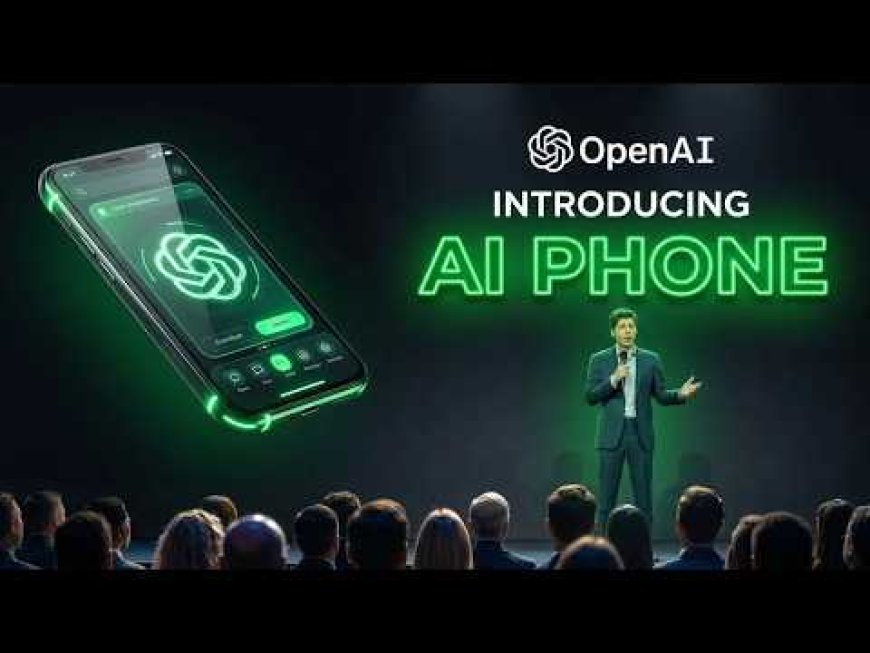



OpenAI is reportedly accelerating preparations to launch its own AI agent-driven smartphone, signaling a potential shift away from the app-centric mobile experience that has dominated the industry for nearly two decades. Leading market analysts say the long-rumored project is now moving closer to reality.
The secretive hardware initiative is seen as a direct challenge to the long-standing dominance of Apple and Google in the global smartphone ecosystem. Unlike traditional smartphones, the new device is expected to eliminate the need for separate applications.
End of the App-Centric Era
According to a recent report by renowned technology analyst Ming-Chi Kuo, OpenAI is developing a fully AI-first operating system and device. Instead of app grids for services such as Uber, Facebook, or Gmail, users would simply instruct an AI agent with commands like “Book me a ticket for next week” or “Organize today’s schedule.” The built-in AI system would then autonomously complete the tasks in the background.
Kuo claims the production process for the device has already gained momentum, with a global launch targeted for the first half of 2027. The company is reportedly aiming for an initial shipment of around 30 million units.
Hardware, Processor, and AI Performance
Several major technology firms are rumored to be involved in the hardware ecosystem of the AI-first smartphone. Industry reports suggest the device may feature a customized processor from MediaTek manufactured using TSMC’s advanced 2-nanometer process technology. To ensure uninterrupted real-time AI processing, the phone is also expected to include ultra-fast LPDDR6 RAM.
Meanwhile, assembly responsibilities may go to Luxshare, which is already involved in producing iPhones for Apple.
Different From Jony Ive’s AI Project
Market observers have frequently confused this smartphone initiative with the separate AI hardware project involving former Apple Chief Design Officer Jony Ive. However, sources familiar with the matter say the two are entirely different ventures.
Following the merger of Ive’s hardware startup with OpenAI last year, Jony Ive and Sam Altman have reportedly been working on screenless wearable AI gadgets and smart speaker technologies. In contrast, the newly discussed smartphone project is designed as a full-scale alternative to the mobile ecosystems controlled by Apple and Google.
Technology analysts note that using ChatGPT on current iPhone or Android devices still requires compliance with the restrictions and background processing limits imposed by Apple and Google. With a fully proprietary operating system and hardware platform, OpenAI would be able to keep autonomous AI agents active around the clock without external limitations. Analysts believe that if successful, the initiative could fundamentally reshape the app economy that has dominated the digital world for the past 15 years.
DBTech/BMT/OR









