


































New Zealand Plans Social Media Ban for Under-16s
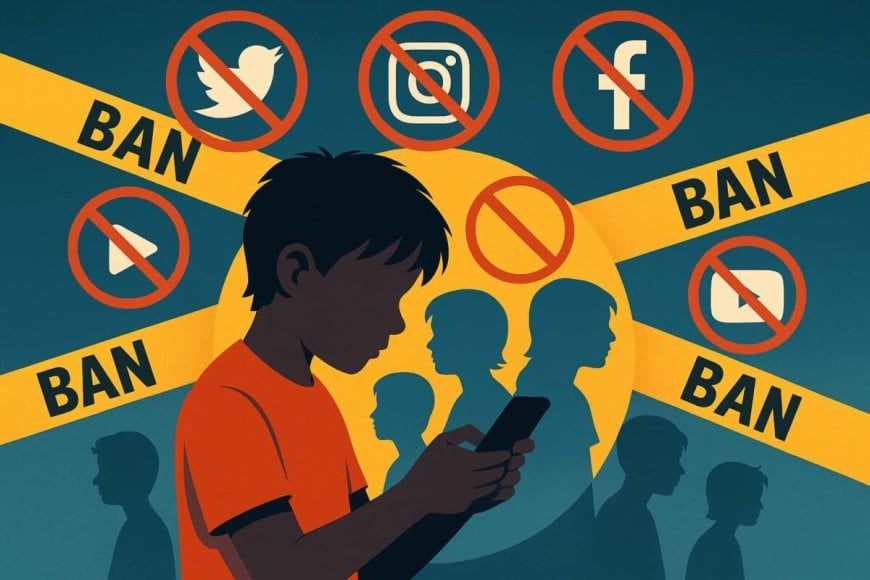



New Zealand Prime Minister Christopher Luxon has announced plans to introduce a new bill in Parliament that would ban children under the age of 16 from using all social media platforms.
Under the proposed legislation, technology platforms that violate or fail to comply with the rules could face fines of up to 10 percent of their annual global revenue. The bill would also require technology companies to verify users’ ages accurately. For this purpose, platforms could use information from users’ existing accounts, facial-recognition technology or digital identification.
Tough Measures to Protect Children’s Mental Health
In a statement, Prime Minister Christopher Luxon said the government would not tolerate the toxic impact of social media on the new generation of children. He said harmful content, addictive technologies and various forms of social pressure on these platforms were seriously affecting children’s family lives, mental health, sleep and education.
Australia previously became the first country in the world to ban children under 16 from using platforms such as TikTok, YouTube, Instagram and Facebook. New Zealand is now following the neighbouring country’s lead with a similar strict policy.
Political and Implementation Challenges
However, there is considerable uncertainty over whether the government’s proposed bill will pass Parliament. New Zealand First, one of the key coalition partners in Prime Minister Luxon’s government, has already announced that it will not support the legislation.
The country’s Foreign Minister and leader of New Zealand First, Winston Peters, said in a post on the social media platform ‘X’ that such legal restrictions could have a dangerous impact on the country’s tradition of individual freedom. He believes that responsibility for keeping children away from social media should primarily rest with parents rather than the government.
Despite political opposition and technical challenges, Prime Minister Luxon said that although it may not be possible to make the legislation 100 percent perfect, it is essential to make an effort to protect children.
//DBTech/BMT/OR//









