









































Deadly Bat-Borne Virus Misidentified as Nipah in Bangladesh Patients
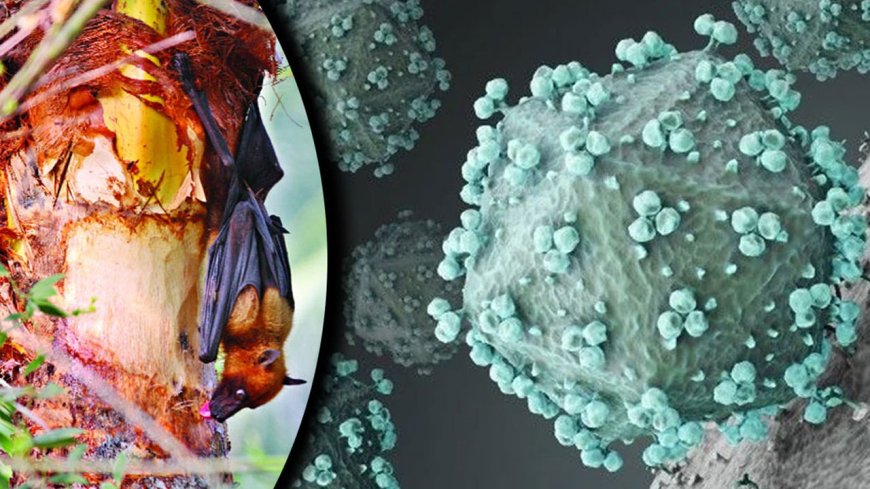



Between December 2022 and March 2023, five patients were admitted to hospitals in Bangladesh suffering from fever, vomiting, headache, fatigue, excessive salivation, and neurological complications. Initially, these illnesses were suspected to be caused by a Nipah virus outbreak. However, scientists are now warning that the actual cause was another lethal bat-borne virus.
According to a report in The Independent, citing the Emerging Infectious Diseases journal, all five patients had consumed raw date palm sap—a delicacy also favored by bats, which are known carriers of the Nipah virus in Bangladesh. Tests, however, showed all patients were negative for Nipah virus.
While the patients were discharged within weeks, three continued to experience long-term fatigue, confusion, and breathing difficulties. One patient’s condition worsened, and he ultimately died in 2024 due to neurological complications.
Researchers have called for heightened surveillance in areas where raw date palm sap is consumed, recommending monitoring for not only Nipah but also other bat-borne viruses such as Pteropine orthoreovirus (PRV).
The study confirmed that the five patients were infected with PRV, a bat-transmitted virus. Bats and rabbits have long been recognized as carriers of multiple lethal zoonotic viruses including Nipah, Hendra, Marburg, and SARS. Unlike in neighboring countries where PRV infections tend to cause mild respiratory symptoms, the cases identified in Bangladesh were severe.
The Emerging Infectious Diseases report stated, “All five identified patients exhibited severe respiratory distress and neurological symptoms. In comparison, PRV infections in Malaysia, Indonesia, and Vietnam typically presented as mild respiratory illness.”
One of the study’s authors, Nischay Mishra, said, “Our findings demonstrate that the health risks associated with consuming raw date palm sap are not limited to Nipah virus.” He emphasized the importance of broad surveillance programs to detect new bat-borne viruses and mitigate public health risks.
Genetically similar PRV was also detected in bats captured near the homes of the five patients in the Padma River basin. Co-author Ariful Islam added, “We are now studying how this virus spreads from bats to humans and domestic animals, and mapping the overall ecology of emerging bat-borne viruses in the Padma River basin.”
DBTech/DPN/IK/OR









