







































Women and Journalists Face Tech-Driven Gender Violence Ahead of Election



Women candidates, political activists, and journalists participating in the 13th National Parliamentary Election are facing a disproportionate level of technology-facilitated, gender-based violence. They are being targeted through online harassment, intimidation, sexually abusive disinformation, and doxxing—the unauthorized disclosure of personal information.
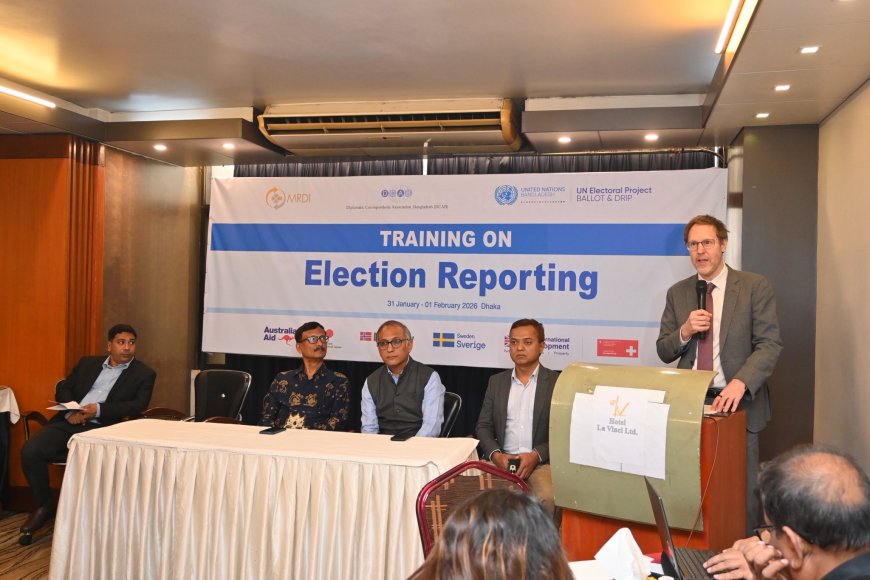
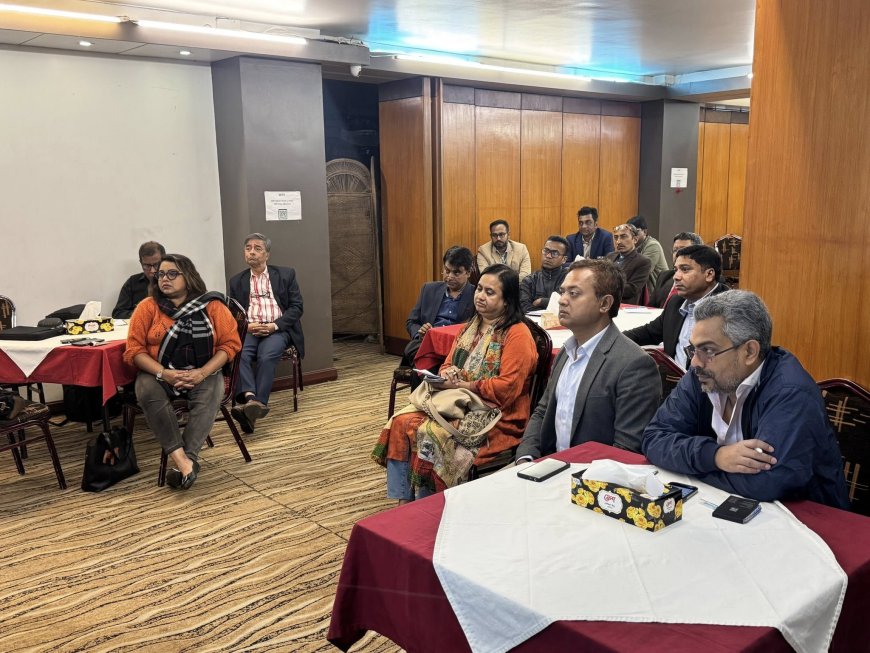
This concern was raised by Stefan Liller, Resident Representative of the United Nations Development Programme (UNDP) in Bangladesh, during the closing session of a two-day training on election reporting held on Sunday, February 1, at Hotel La Vinci in the capital. He described these attacks as deliberate attempts to silence voices and termed the situation “deeply concerning for the democratic process.”
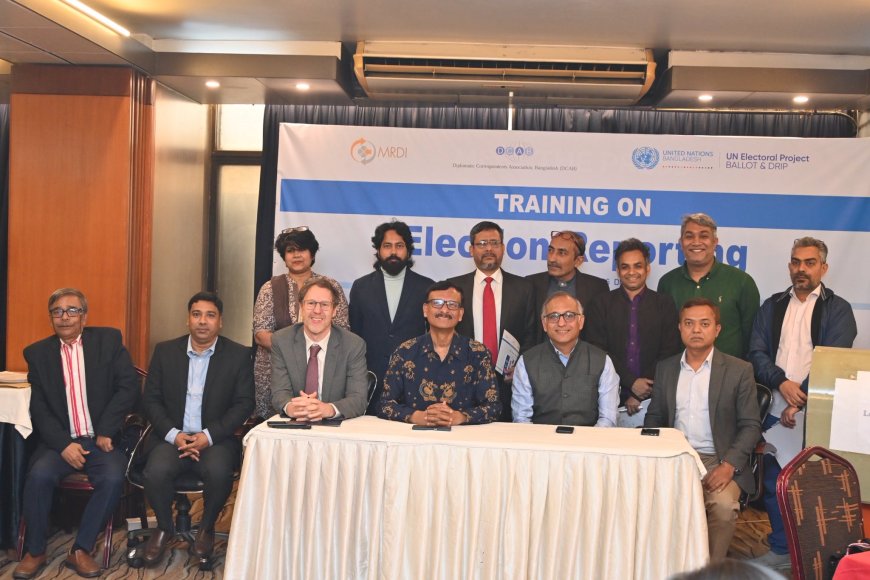
The training programme was organized by the Diplomatic Correspondents Association, Bangladesh (DCAB), with Foreign Affairs Adviser Md. Touhid Hossain attending as the chief guest. The programme was supported by UNDP and the Media Resources Development Initiative (MRDI), while the sessions were facilitated by Farid Hossain, former Bangladesh Bureau Chief of the Associated Press (AP).
The closing session, moderated by DCAB General Secretary Emrul Kayes, also featured speeches from MRDI Executive Director Hasibur Rahman and DCAB President AKM Moinuddin.
I
n his remarks as a special guest, Stefan Liller said that gender equality and inclusive participation are fundamental pillars of democratic legitimacy. “However, the reality is that women candidates, political activists, and journalists are being disproportionately subjected to technology-facilitated violence,” he noted. He explained that many are falling victim to doxxing—defined as the act of searching for and publicly disclosing personal and identifying information, such as home addresses, phone numbers, or workplace details, with the intent to harass, intimidate, or cause harm. Such attacks, he said, are increasingly being used as a strategy to push women out of the public sphere.
Regarding election reporting, the UNDP Resident Representative stated that the election process is one of the most technologically and politically sensitive components of a democratic system. It involves a complex legal framework, electoral codes of conduct, rules for voters and candidates, result calculation methods, and mechanisms for resolving complaints and disputes. In this context, journalists act as a crucial bridge between institutions and citizens. When the election process is presented clearly, accurately, and responsibly, citizens can better understand not only what is happening but also why and how it is happening.
He urged media personnel to adopt a cautious approach, saying that, during intense political competition, incorrect information or ambiguous reporting can unintentionally increase tension and undermine public trust in the election results.
Concerning the integrity of information and the safety of journalists, Liller said that globally, election situations are increasingly being influenced by fake news, misleading campaigns, hate speech, and digitally distorted content. The rapid spread of false narratives created or disseminated through artificial intelligence poses a serious risk to electoral integrity and public trust.
Liller emphasized that protecting the integrity of information means ensuring the protection of journalists, stating that journalists working in unsafe or hostile information environments face online and offline harassment, threats, and intimidation. According to him, a safe journalist means a safe election.
He emphasized the importance of accuracy, impartiality, and ethical judgment in election reporting.
Stephan Liller said that reports by Bangladeshi journalists are closely followed by diplomats, international observers, development partners, investors, and the global media. As a result, the narrative surrounding elections influences international trust, diplomatic engagement, and perceptions of a country's image and democratic maturity.
According to him, this is why journalists covering elections in a diplomatic context have a special responsibility. Responsible reporting helps to portray moments of political competition in the international arena as part of a legitimate and rule-based democratic process.
For context, the United Nations is working closely with the Bangladesh Election Commission through the Ballot and DRIP projects. These projects provide technical, material, institutional, and civic education assistance throughout the entire election process cycle.
DBTech/SUJ/MUM









