





































AI Adoption Accelerates in Bangladesh Amid Mobile-Driven Digital Shift
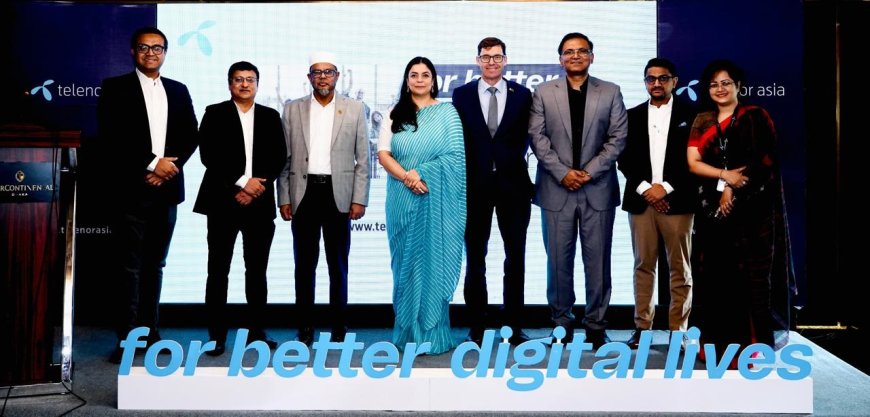



Eight out of every ten people in Bangladesh view the future impact of Artificial Intelligence (AI) on education positively, while nine in ten mobile internet users report using AI tools on their phones. These insights emerged from the ‘Digital Lives Decoded (Bangladesh)’ report released by Telenor Asia at an event held on Wednesday at a hotel in Dhaka. The findings highlight Bangladesh’s growing enthusiasm for embracing emerging technologies like mobile connectivity and AI, and how these tools are contributing to smarter and safer lives.
At the launch event, Md. Abu Bakar Siddique, Vice Chairman of the Bangladesh Telecommunication Regulatory Commission (BTRC), emphasized the importance of informed use of AI. “AI should be used with proper understanding,” he said, adding, “A guideline needs to be prepared for this.” He further noted, “Mobile connectivity is a prerequisite for empowering Bangladesh digitally and for economic progress. Alongside ensuring access to connectivity, we must also ensure that people use mobile technology safely and responsibly. This should be our collective priority. Together, we can expand digital connectivity and build a smarter, safer digital ecosystem.”
Manisha Dogra, Senior Vice President and Head of External Relations and Sustainability at Telenor Asia, remarked, “Mobile technology—now enriched with the power of artificial intelligence—is helping transform and revolutionize sectors such as education and healthcare in Bangladesh. Telenor Asia, in partnership with Grameenphone, is proud to contribute to building a strong foundation for mobile connectivity in Bangladesh. We are pleased to see that mobile technology has enhanced quality digital lifestyles across the country, as reflected in the views of survey participants.”
She added, “In this evolving digital landscape, there is tremendous potential to further enrich digital services and advance digital literacy. By developing AI-based digital skills and ensuring online safety, we can harness this opportunity. Telenor Asia remains committed to supporting Bangladesh’s digital advancement and delivering the benefits of mobile technology to all.”
Grameenphone’s Chief Corporate Affairs Officer Tanvir Mohammad said, “As the use of artificial intelligence and mobile phones grows in Bangladesh, so does the transformative power of connectivity and its vast potential for progress. Through initiatives such as GP Academy, GP Accelerator, and Future Nation, Grameenphone is offering essential digital skills and raising awareness around online safety. To enable safe and confident digital engagement, we must collectively prioritize education and uphold high standards for responsible technology use.”
He also noted Grameenphone’s commitment to data protection, saying, “We possess a vast amount of data and are prioritizing its security. Additionally, our customers now feel significantly safer when using mobile phones.”
According to Telenor Asia’s Bangladesh-specific data, mobile phones have enhanced the sense of security among a large segment of the population—52% to be precise. This figure is significantly higher compared to other countries surveyed: 37% in Thailand, 31% in Malaysia, and 28% in Singapore. The sense of safety is attributed to the ability to call for help or access emergency services (64%), communicate one’s location to family or friends (58%), and make digital payments instead of carrying cash (57%).
However, with the digital environment evolving, concerns around new risks like identity theft and deepfakes are also increasing. Seven in ten respondents expressed concern over their account security. Bangladesh also faces a high risk of network attacks, with three in ten users identifying this as a major concern—compared to only one in five in Singapore and Thailand, and even fewer in Malaysia. Additionally, Bangladeshi users lag behind others in online safety practices, such as unsubscribing from lists, clearing browsing history and cache, rejecting website cookies, or using ad-blockers. They also tend to place higher trust in websites compared to respondents from other countries.
The report further reveals a growing trend of AI use in education and the workplace in Bangladesh. Six in ten mobile internet users are enthusiastic about AI’s possibilities and effectiveness in daily life. Notably, eight out of ten respondents expressed a positive outlook on AI’s role in education, believing it could make learning more accessible and significantly enhance educational processes.
The popularity of freely accessible and easy-to-use AI tools is rising in workplaces as well. However, gender disparity is evident—only 37% of women compared to 47% of male mobile internet users utilize AI tools professionally. While AI is creating numerous opportunities, three in ten people voiced concern over its impact on job security. Even enthusiastic users raised issues about data use, expressing unease over how vast amounts of information are collected and shared without explicit consent. Addressing privacy concerns through transparent and robust data protection policies is deemed essential for safe and acceptable use. Moreover, the reliability and limitations of AI-generated information remain areas that warrant further exploration and improvement.









