







































Global consultation shapes cyber law reforms
Global consultation shapes cyber law reforms
- Government prioritises security alongside fundamental rights
- Development partners welcome judicial approval for journalist arrests
- Recommendations seek safeguards for content blocking and journalism




As artificial intelligence-driven cybercrime grows, protecting personal and financial information and securing critical digital infrastructure have become major policy priorities. Bangladesh is also seeking to ensure that stronger cybersecurity measures do not undermine fundamental rights and freedom of expression. Against this backdrop, the government has held a consultation with heads of diplomatic missions and development partners to finalise the draft Cyber Security (Amendment) Act 2026. The discussions covered legal safeguards, protection for journalists, content blocking and human rights.
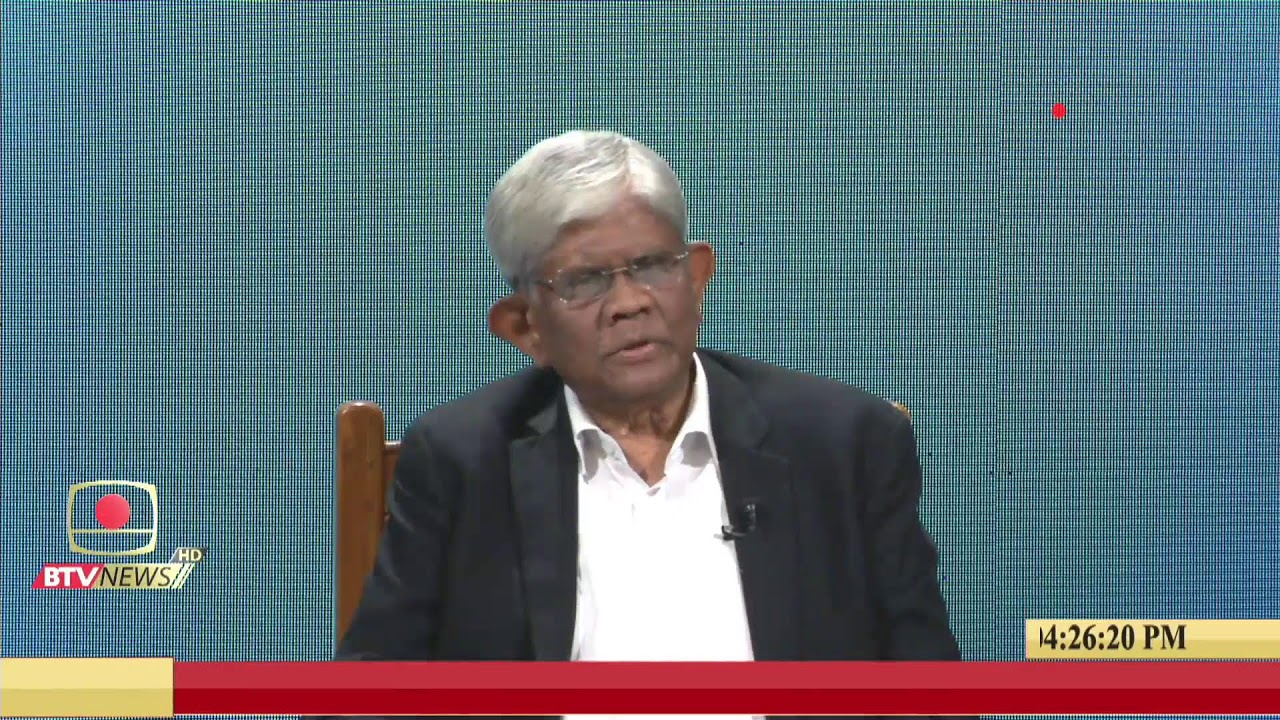
The consultation was held on Tuesday, November 24, in the conference room of the Ministry of Foreign Affairs. Fakir Mahbub Anam, Minister for Posts, Telecommunications and Information Technology and Science and Technology, chaired the meeting.
Law, Justice and Parliamentary Affairs Minister Md Asaduzzaman, State Minister for Foreign Affairs Shama Obaed Islam and Prime Minister's Adviser Rehan Asif Asad attended the meeting.
In his opening remarks, Fakir Mahbub Anam said the government wanted to strengthen Bangladesh's cybersecurity legal framework to protect citizens and critical infrastructure while safeguarding fundamental rights, freedom of expression and international standards.
He said the economy and public services were being rapidly digitised. At the same time, the scale and complexity of cyber threats were increasing.
Some previous legislative processes had raised concerns both within Bangladesh and among international partners. The current government was committed to addressing those concerns through transparent and balanced legislation.
He noted that developing legislation which balances digital security and civil liberties could not be achieved by the government alone. This was why the consultation had been organised.
Law Minister Md Asaduzzaman said the government did not want complicated or opaque processes. Issues that could be resolved simply and transparently were being addressed accordingly.
He added that the government was closely monitoring the process to ensure that commercial interests or other influences did not interfere with legislative decisions.
He also described the amendment as necessary to prevent the misuse of technology.
The law minister said the government remained committed to protecting citizens' rights. Adequate remedies, including judicial review by the Supreme Court, were available to prevent the misuse of the law.
He added that the National Human Rights Commission had been kept outside the relevant committee to preserve its independent oversight role.
State Minister for Foreign Affairs Shama Obaed Islam said cybersecurity was not merely a national issue for Bangladesh but a global challenge.
She said the government wanted to protect citizens through international cooperation while respecting human rights and freedom of expression.
Prime Minister's Adviser Rehan Asif Asad said ensuring freedom of expression and respect for differing opinions was a government commitment.
He described AI-driven cybercrime as one of the world's major contemporary challenges. Addressing it would require an integrated approach to cybersecurity, personal and financial data protection, and digital infrastructure.
He added that the government was working in line with international best practices while seeking input from the private sector, civil society and development partners.

Development Partners Present Recommendations
Development partners, including representatives from the United Kingdom, European Union, Australia, Switzerland and various United Nations agencies, presented their views and recommendations on the draft amended Cyber Security Act.
They welcomed the government's open consultation process. They also observed that effective cybersecurity and freedom of expression could be ensured together.
The development partners praised positive changes in the draft, including the provision requiring court approval before journalists can be arrested.
They recommended making provisions relating to rumours, misinformation and defamation more specific. They also called for non-criminal remedies in defamation cases instead of criminal proceedings.
The recommendations further emphasised the need for tribunal approval before content blocking and independent judicial review.
Participants also highlighted the importance of protecting all categories of journalists, maintaining the confidentiality of journalistic sources and ensuring legal safeguards for journalism conducted in good faith.
Proposed Restructuring of Legal Provisions
The meeting also discussed treating defamation, reputational harm and cyberbullying as separate issues.
Participants proposed reorganising the relevant legal provisions to reflect these distinctions. They also discussed the need for a more precise definition of cyberspace.
Draft Presented by Cybersecurity Agency
Dr Md Tayebur Rahman, Director General of the National Cyber Security Agency, presented the draft Cyber Security (Amendment) Act 2026 at the meeting.
ICT Division Secretary Md Mamunur Rashid Bhuiyan, heads of diplomatic missions, representatives of development partner organisations and senior officials from the relevant ministries and divisions also attended.
//DBTech/ZUP/DRE/FOED//