


























Water Management Faces Major Challenge
$2.1B Plan for Safe Water
- A $2.1 billion integrated plan targets safe water access.
- Water management could become a major challenge for Bangladesh.
- Climate change and salinity are worsening water security risks.




Water security, sanitation, climate resilience and safe drinking water in coastal areas are at the centre of discussions over an integrated plan worth around $2.1 billion. The plan focuses on strengthening safe-water infrastructure and long-term water management while addressing growing risks from pollution, climate change and salinity.
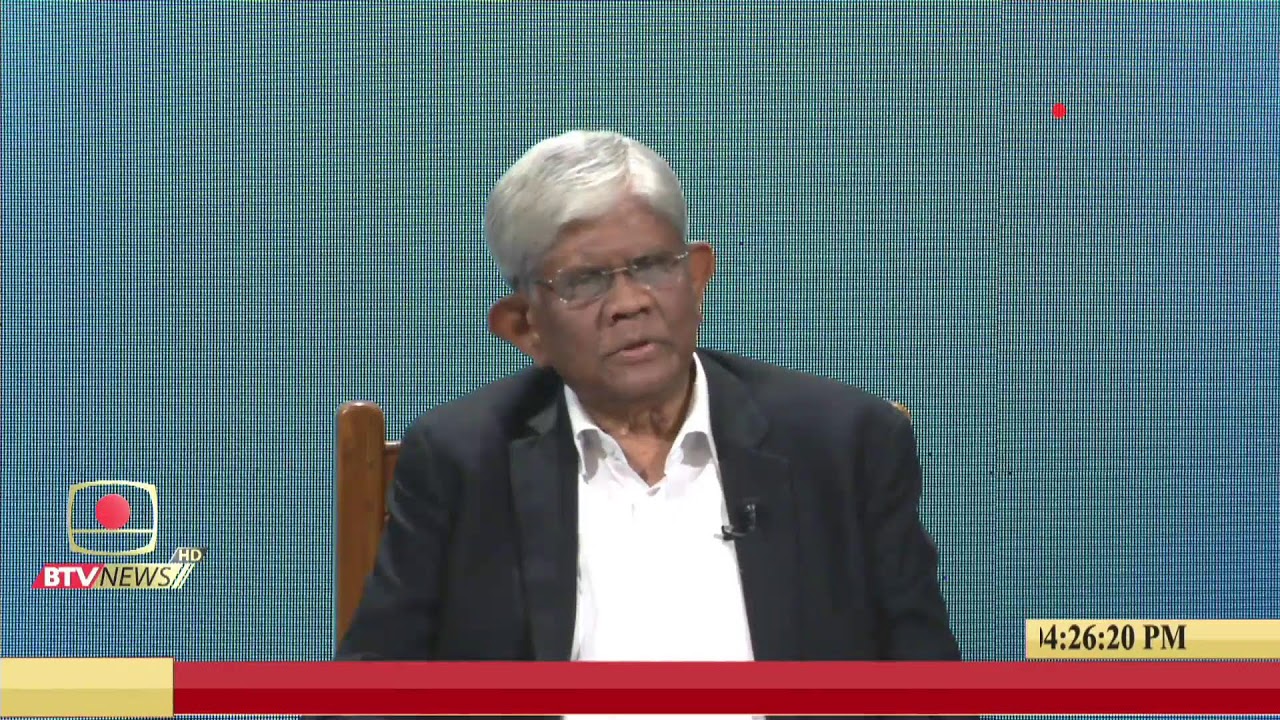
Local Government, Rural Development and Cooperatives Minister Dr Abdul Moin Khan said on Thursday, October 8, that water could become one of the biggest challenges for Bangladesh and the world in the future. He made the remarks during a meeting with a UNICEF delegation at his office in the Secretariat.
The minister said failure to ensure proper water management could create a major crisis in the future. He stressed that the importance of water and proper water management must be incorporated into every stage of the country’s development planning.
The meeting discussed safe and potable water supply, sanitation, the impact of climate change and measures to ensure clean water in coastal areas. A 10-member UNICEF delegation attended the meeting, including UNICEF Bangladesh Representative ad interim Gillian Mellsop and Deputy Country Representative (Programme) Emmanuelle Abrioux. Representatives of the World Bank and WaterAid were also present.
Following the meeting, the minister said an integrated plan involving UNICEF, the World Bank, WaterAid and other development partners is being discussed to provide safe water to Bangladesh’s 180 million people. The combined plan is estimated at about $2.1 billion, equivalent to roughly Tk25,000 crore.
The minister stressed that water is directly linked to human life and safety. While water is essential for survival, contaminated or germ-filled water can also cause death. He said ensuring safe water access for the country’s population is therefore a major challenge requiring coordinated action.

He also highlighted the importance of learning from the experience of developed countries in water management. He said countries such as Sweden recognised the negative consequences of excessive natural-resource use around six decades ago. Bangladesh is now facing a similar reality and should use the experiences of such countries to build sustainable water-management systems.
According to the minister, water is deeply connected with Bangladesh’s development and industrialisation. The textile and garment industries, in particular, consume large quantities of water. At the same time, industrial waste is polluting many rivers and canals across the country. Coastal areas are also facing various water-related problems.
He said development must continue, but it must not come at the cost of human life or the environment. Providing good housing alone is not enough; safe water and a healthy environment must also be ensured for people.
The minister said Bangladesh’s rivers contain substantial water, but many rivers are drying up. Water withdrawal upstream is reducing downstream flows. He said this is contributing to desertification-like conditions in northern districts. At the same time, reduced freshwater flows into the Bay of Bengal are allowing saline water to move further inland, worsening drinking-water shortages in the southern region.
He said the government’s responsibility is to ensure potable water for people while working with the United Nations and development partners for public welfare. Financing and coordinated implementation of water projects were also discussed at the meeting.
The minister said the Local Government, Rural Development and Cooperatives Ministry has a leading role in ensuring access to safe water. He added that the combined initiative involves multiple organisations rather than UNICEF alone.
In response to questions from journalists, the minister also said Bangladesh has long received various forms of assistance from bilateral and multilateral development partners. However, he said such assistance had not always been used properly in the past. He also noted that foreign financing is declining as wealthier countries face their own economic difficulties and reduce assistance to poorer nations.
Director General of the Planning, Monitoring, Evaluation and Inspection Division Shibir Bichitra Barua, along with senior officials from the ministry and its affiliated agencies, attended the meeting.
//DBTech/CPL/SME/MSI//