






































Experts Reach Consensus on Screening Framework
Draft National Breast Cancer Screening Guidelines Presented
- First consensus meeting held on proposed 2027 guidelines
- Draft outlines screening protocols and imaging standards
- Standardised radiology reporting format also proposed




The Bangladesh Society of Radiology and Imaging (BSRI) has presented a draft of the proposed National Guidelines for Breast Cancer Screening in Bangladesh (2027), aiming to establish a standard framework for early detection and screening among women. The proposed guidelines outline who should undergo screening, the recommended starting age and screening intervals, quality and technical standards for breast imaging, and a uniform format for radiology reports.
The draft was presented at the first consensus meeting of the guideline development committee on Saturday, November 28, at Milton Hall of Bangladesh Medical University (BMU) in Dhaka. It has been prepared for consideration by the Directorate General of Health Services (DGHS) under the Ministry of Health and Family Welfare.
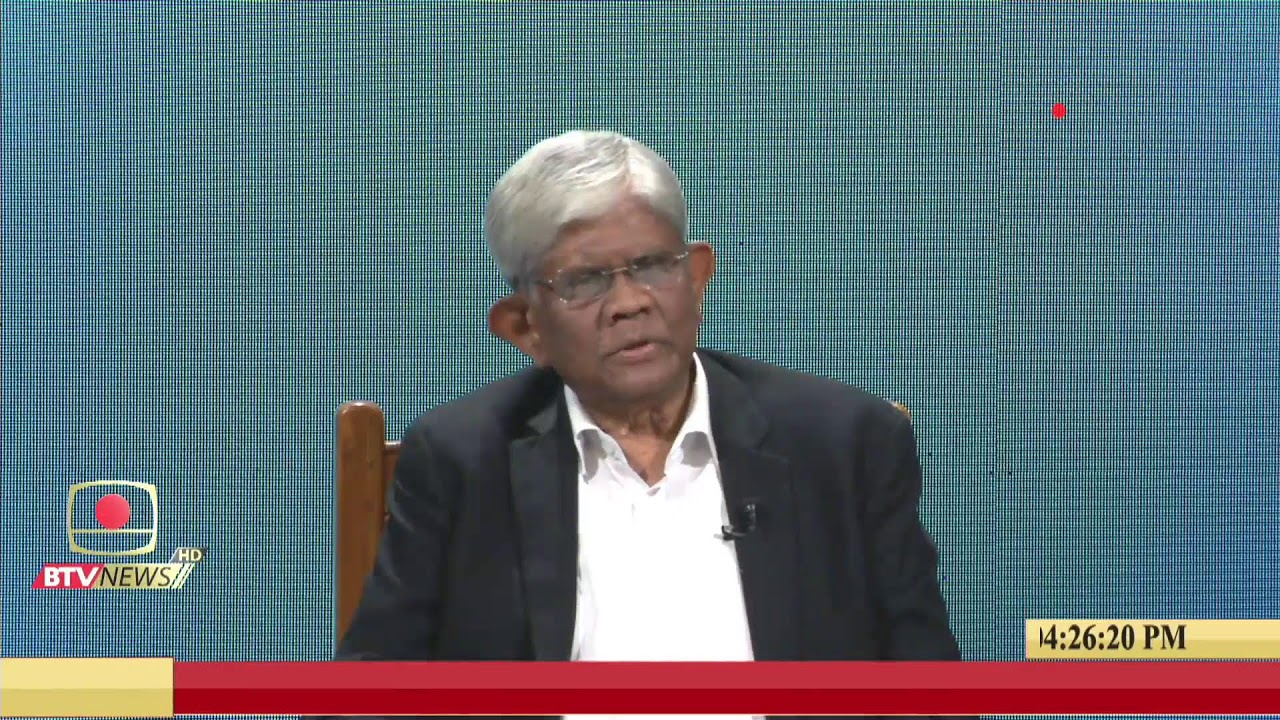
BMU Vice-Chancellor Professor Dr F M Siddiqui attended the event as the chief guest. Professor Nazmul Hossain, Director General (Health Education), was also present. The meeting was chaired by BSRI President Brigadier General (Retd.) Dr Sayed Awsaf Ali.
Professor Dr Md Nazrul Islam, BMU Pro-Vice-Chancellor (Academic) and BSRI Secretary General, delivered remarks at the event.
The meeting brought together leading oncologists, surgeons, surgical oncologists, gynaecologists, gynaecological oncologists, pathologists and radiologists from medical institutions across the country. Among the attendees were Professor Dr Mostafa Aziz Sumon, Director of the National Institute of Cancer Research and Hospital (NICRH) and a radiation oncologist; renowned surgeon Professor Dr Sanawar Hossain; Professor Dr Jannatul Ferdous, Chairman of the Department of Gynaecological Oncology at BMU; and Professor Dr Shabnam Akhter of BMU's Department of Pathology. Professor Dr Mahmud Hasan Mostafa Kamal of BMU's Department of Radiology and Imaging was also present.
BSRI Scientific Secretary Professor Dr Sharmin Akhtar Rupa presented the key features of the proposed draft guidelines. The guideline development committee comprises specialists from BMU, NICRH, Dhaka Medical College Hospital, medical college hospitals in Chattogram, Rajshahi, Mymensingh, Sylhet and Rangpur, Combined Military Hospital (CMH), and leading private hospitals.

Three Key Areas of the Proposed Guidelines
The draft focuses on three major areas:
-
Screening protocols: Recommendations on who should be screened, the age at which screening should begin and how frequently it should be conducted, taking the needs of women in Bangladesh into account.
-
Imaging standards: Quality and technical requirements for breast imaging at screening centres.
-
Structured radiology reporting: A standardised reporting format to ensure that findings are communicated to physicians clearly and consistently.
Chief Guest Professor Dr F M Siddiqui praised BSRI for taking the initiative. He said breast cancer is the most commonly diagnosed cancer among women in Bangladesh. Early detection through organised screening could significantly reduce deaths from the disease. He also assured the initiative of BMU's academic support for implementing the guidelines.
Professor Nazmul Hossain, Director General (Health Education), said the guidelines would help establish a standardised national screening programme. He also emphasised that training doctors and technologists would play an important role in introducing the programme across the country.
BSRI President Brigadier General (Retd.) Dr Sayed Awsaf Ali thanked the committee members for their contributions. He urged them to review the draft guidelines and support efforts to make a nationwide screening programme a reality in 2027.
Speakers at the meeting agreed that most breast cancer patients in Bangladesh are still diagnosed at advanced stages of the disease. They emphasised that greater public awareness, wider access to screening and quality imaging services are essential to changing this situation.
//DBTech/PDB/SME/NCP//