





































Huawei Convicted in US Court
Huawei Convicted on 10 of 12 Counts in Brooklyn Federal Court
- Convicted on 10 of 12 criminal charges in Brooklyn
- Cleared of racketeering and obstruction conspiracy counts; plans appeal
- Beijing opposes US pressure; sentencing set for September



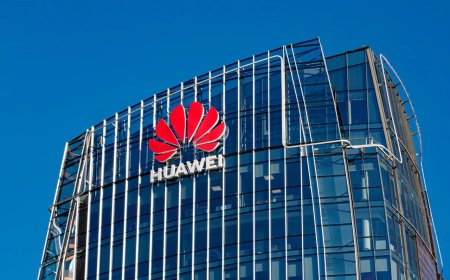
Chinese telecom equipment maker Huawei has been convicted in a long-running criminal case over misleading banks about business operations in Iran and conspiring to steal trade secrets from US companies. A federal jury in Brooklyn, New York, delivered the verdict on Tuesday.
In the case that began in 2018, Huawei was found guilty on 10 of the 12 criminal charges brought against it. Those counts include bank fraud, wire fraud, sanctions violations, and conspiracy to steal trade secrets.
However, Huawei was acquitted of two charges: conspiracy to obstruct justice and racketeering conspiracy, which alleged operating like a criminal enterprise.
Beijing Reaction and Case Background
Following the verdict on Wednesday, China's Foreign Ministry stated that Beijing opposes US pressure and efforts to suppress Chinese companies. At a regular press briefing in Beijing, ministry spokesperson Guo Jiakun said, "The Chinese government firmly opposes US moves to suppress and marginalize Chinese companies, and stands behind Chinese companies in safeguarding their legitimate rights and interests."
Citing national security concerns over Huawei, the US government placed the company on a trade blacklist in 2019, restricting its access to US technology. During the trial, which lasted more than two months, prosecutors called more than 60 witnesses and Huawei called 15 witnesses. US District Judge Ann Donnelly is scheduled to announce sentencing on September 14 next year, though potential penalties remain unclear.
Arrest of Founder's Daughter and Diplomatic Friction
In December 2018, Huawei's chief financial officer and founder's daughter, Meng Wanzhou, was arrested in Canada on a US warrant. She had been secretly indicted on allegations of misleading an HSBC executive about Huawei's business in Iran so that dollar transactions could be conducted there while evading US sanctions.
After fighting extradition in the United States for nearly three years, Meng returned home under an agreement with prosecutors, and the charges against her were dropped. While Meng did not testify in this trial, an HSBC official who met with her in 2013 took the stand. The 2018 indictment alleged that HSBC, Standard Chartered, and BNP Paribas were misled, while new charges alleging a conspiracy to steal trade secrets were added in 2020.
Prosecution vs. Huawei Stance
During the trial, prosecutors highlighted allegations involving the theft of router source code from Cisco Systems, antenna technology from Quintel, and circuit board information from semiconductor company CNEX. Testimony and evidence also addressed video of parts from a T-Mobile testing robot being placed into a backpack and covert photographs taken of equipment at a Fujitsu booth.
Huawei attorney Brian Heberlee expressed dissatisfaction with the verdict but described the acquittal on racketeering conspiracy as recognition of the company's "orderly compliance culture." He said the defense will certainly appeal. In a statement, Huawei argued that the remaining charges lack legal or factual merit and that five trade secret disputes had been resolved through civil proceedings over the past two decades.
By contrast, US Attorney Joseph Nocella said few offenses match the gravity of endangering US national security, violating the integrity of commerce, and obstructing law enforcement. Huawei, which operates in roughly 170 countries with more than 200,000 employees, said it remains focused on long-term investment in research and development and stable business operations.
Analysts say business diversification and a prominent role in China's AI sector have cushioned Huawei's operations against major disruption from the verdict.
//DBTech/BMT/IH/FOE//