








































The Ultimate Climate Solution
Bangladesh Pitches Jute at COP31
- Bangladesh highlights jute as a key climate solution at COP31.
- One hectare absorbs up to 15 tonnes of CO2 per season.
- Strategy aims for USD 1.64 billion jute export revenue by 2031




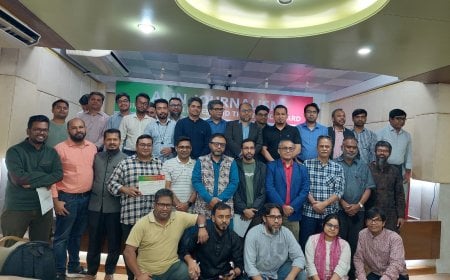
Bangladesh brought jute to the centre of the climate conversation at COP31 today, hosting a dedicated session at its Jute Pavilion in the Green Zone.
On Tuesday (November 10) in Antalya, the Ministry of Foreign Affairs organized the event alongside the Ministry of Textiles and Jute and industry partners.
According to relevant sources, the fibre long tied to Bangladesh’s heritage is now one of its most credible contributions to global climate action. Presenters stated that jute is carbon-negative in cultivation and fully biodegradable, absorbing up to 15 tonnes of carbon dioxide per hectare in a growing season.
Beyond traditional hessian sacks, jute is now utilized in biodegradable shopping bags, geotextiles for erosion control, automotive composites, nanocellulose, and activated carbon from jute sticks.
The economic presentation highlighted that processing raw jute into blended fibre goods yields significantly higher value. Under its 2026–2031 strategy, Bangladesh aims to double jute export earnings to USD 1.64 billion while increasing the share of value-added products to 70 per cent. Solar-powered jute mills were featured as clean energy models.
Future priorities include nanocellulose research, accredited testing laboratories, digital traceability, and alignment with EU environmental rules. Global partners, investors, and buyers are invited to visit the Bangladesh Jute Pavilion throughout the conference.
//DBTech/ANSCN/RESME/FOPTE//









