




































Biocontrol Technology in Focus
Bangladesh Moves to Curb Aflatoxin in Maize
- The initiative aims to validate and expand aflatoxin biocontrol in maize fields
- Native non-toxic fungal strains can suppress toxin-producing strains
- Experts discussed AI advisory tools, field validation and commercialisation




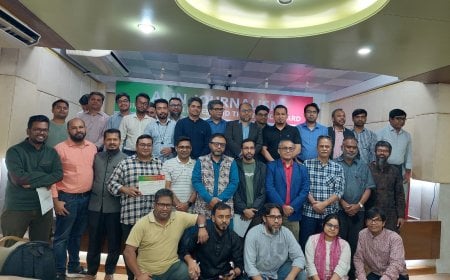
Bangladesh is moving to validate and expand biological control technology to reduce aflatoxin contamination in maize and improve the safety of food and livestock feed. An inception workshop held in Dhaka on Monday, 9 November, brought researchers, regulators and industry stakeholders together to discuss field application, product development and wider adoption of the technology.
The workshop, titled “Validation and Scaling-Up of Field Application of Formulated Aflatoxin Biocontrol Products in Selected Maize-Growing Areas of Bangladesh”, took place at the Conference Room of the Cotton Development Board (CDB). It was jointly organised by Bangladesh Agricultural University (BAU), Mymensingh, and CIMMYT Bangladesh under the global initiative “Harnessing Corn Science and Innovation for Improving Food Security in the Indo-Pacific.”
Dr Md Manjurul Kadir, Director General of the Bangladesh Agricultural Research Institute (BARI), attended as the chief guest. Professor Dr Md Golam Mortuza, Director of the Interdisciplinary Institute for Food Security at BAU, attended as the chief patron.
Special guests included Dr Md Mahfuz Bazzaz, Director General of the Bangladesh Wheat and Maize Research Institute (BWMRI), and Professor Dr Mohammad Shoeb, Member (Food Industry and Production) of the Bangladesh Food Safety Authority (BFSA). Dr Mohammad Enayet-E-Rabbi, Director (In-charge) of the Plant Protection Wing of the Department of Agricultural Extension (DAE), chaired the inaugural session. Md Harun-Or-Rashid, Research Associate at CIMMYT Bangladesh, delivered the welcome address.
In his remarks, the chief guest highlighted the importance of the initiative in ensuring safe food and livestock feed. Speakers noted the growing production of maize in Bangladesh and stressed the need to address aflatoxin contamination through effective biological control measures and stronger policy support.
The keynote presentation was delivered by Professor Dr Md Rashidul Islam of BAU, who discussed the use of native atoxigenic Aspergillus flavus strains to combat aflatoxin contamination. He explained that these non-toxic strains can suppress toxin-producing strains in the field, helping reduce contamination and improve food and feed safety.
The technical session featured presentations by experts from CIMMYT, BAU, DAE and BFSA. Topics included risk prediction modelling, AI-based advisory systems, field validation, product registration, commercialisation and private-sector engagement.
Dr Wais Kabir, Senior Consultant at CIMMYT Bangladesh and former Executive Chairman of the Bangladesh Agricultural Research Council (BARC), chaired the technical session.
Participants also discussed regulatory approval, market development, farmer incentives and large-scale field demonstrations. Dr Md Golam Mahboob, Director of the SAARC Agriculture Centre (SAC), and Professor Dr Abu Noman Faruq of the Department of Plant Pathology at Sher-e-Bangla Agricultural University attended alongside researchers, academics, industry representatives and other stakeholders.
//DBTech/ABMAU/SMP/MVNO//









