
















































































































































“Hormone Disorders Emerging as a Silent Epidemic in Bangladesh, Say Experts”



More than half of Bangladesh’s population suffers from some form of hormone-related disease, yet most people remain unaware of these conditions. Experts emphasize that to ensure proper management and treatment, the country needs specialized hospitals or an Endocrine Institute. Physicians warn that hormone-related health problems are silently becoming an epidemic in Bangladesh, with nearly half of the population affected. Due to lack of awareness, many do not seek medical help. Doctors describe hormone disorders as “silent killers,” leading to obesity, weakness, reproductive issues, infertility, and various sexual health problems.
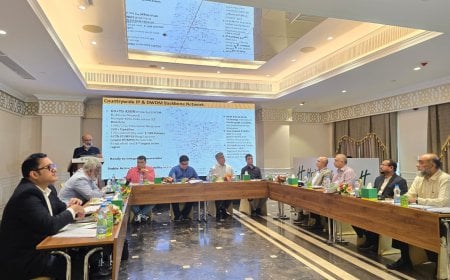
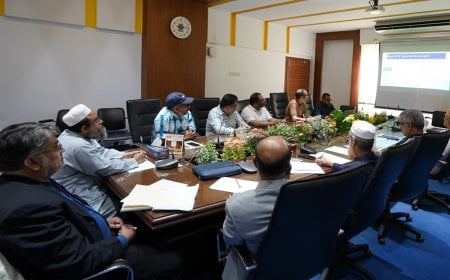
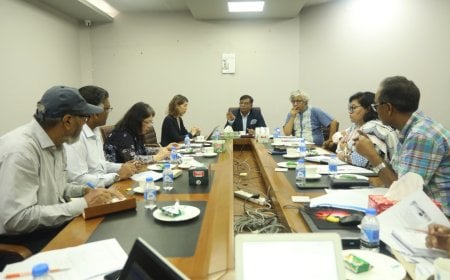
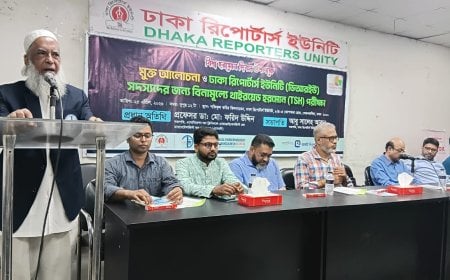
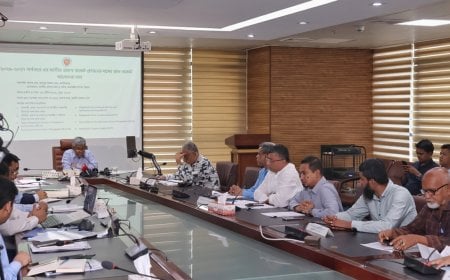
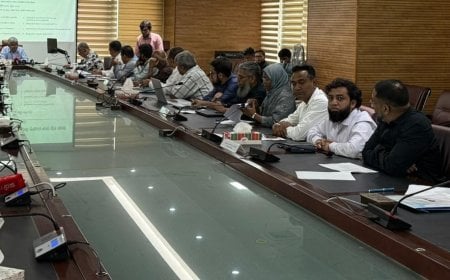
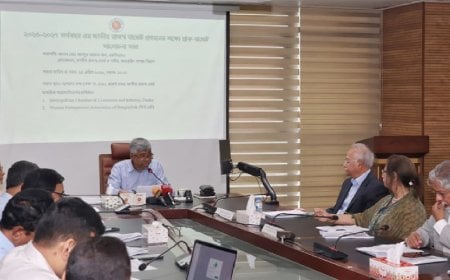
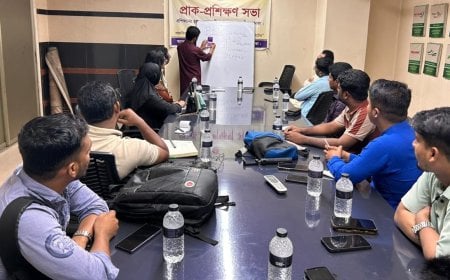
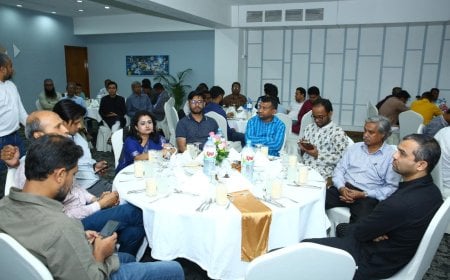
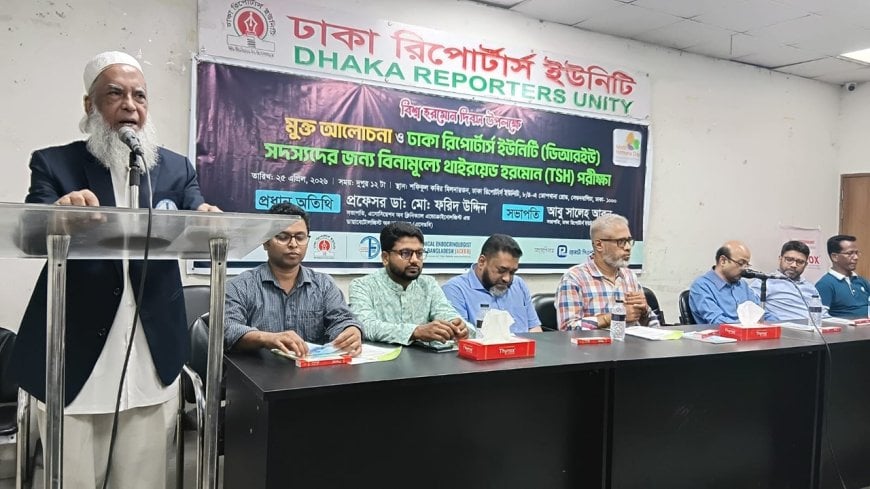
On Saturday, April 25, at Dhaka Reporters Unity (DRU) in Segunbagicha, during a thyroid hormone testing and open discussion organized by the Association of Clinical Endocrinologists and Diabetologists of Bangladesh (ACEDB), specialists shared these concerns.
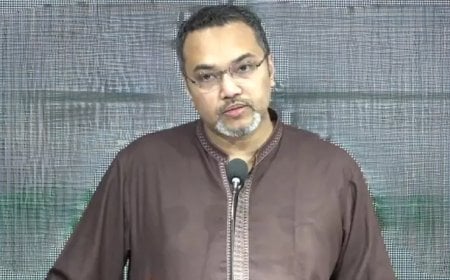
Professor Dr. Md. Farid Uddin, President of ACEDB and chief guest at the event, stated that at least 50 million people in Bangladesh are at risk of thyroid disorders. He stressed that early detection and proper treatment can prevent severe complications. He urged public awareness to reduce the social and family burden of these diseases. Dr. Farid Uddin added that almost all hormone-related diseases can be treated in Bangladesh, with diabetes, thyroid, and endocrine care available in government hospitals. However, he believes a specialized hospital or endocrine institute is essential for comprehensive management, requiring government initiative.
He also noted that most hormone-related diseases are preventable. Regular exercise, balanced nutrition, sufficient sleep, and stress control can significantly reduce risks. Other speakers highlighted that awareness and proper treatment could prevent up to 50% of such diseases. They identified unhealthy lifestyles, poor diet, and lack of physical activity as major causes, along with environmental factors such as excessive plastic use and radiation from modern technology.
The event was chaired by Abu Saleh Akon, President of Dhaka Reporters Unity. Speakers included Professor Dr. Indrajit Prasad (Head of Endocrinology & Metabolism, Dhaka Medical College), Professor Dr. A.K.M. Aminul Islam (Head of Endocrinology, Sir Salimullah Medical College), Md. Khairul Islam (Head of Marketing, Renata PLC, Derma Portfolio), DRU Vice President Mehdi Azad Masum, Acting General Secretary Md. Zafar Iqbal, and Treasurer Niaz Mahmud Sohel. The session was conducted by Akhtar Hossain, DRU executive member and Channel i staff reporter.
Other DRU officials present included Rashim Molla (Office Secretary), Jannatul Ferdous Panna (Women Affairs Secretary), Omar Faruk Rubel (Sports Secretary), and Executive Members Ali Azam, Mahfuz Sadi, Suman Chowdhury, and Majaharul Islam.
Renata PLC provided overall support for the hormone testing program for DRU members.
DBTech/NA/MUIM