



































































































































Information and Broadcasting Minister:
“Collective Practice of Technology-Based Knowledge Will Be the Strategic Strength of Future Civilization: ”
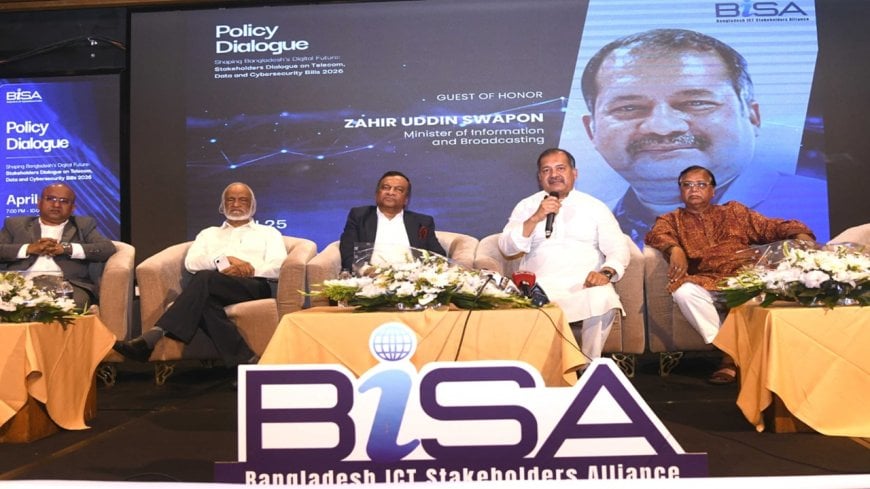



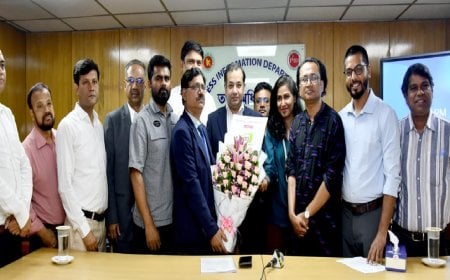
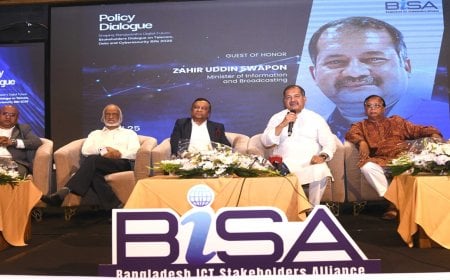
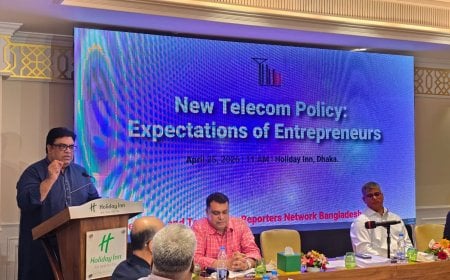
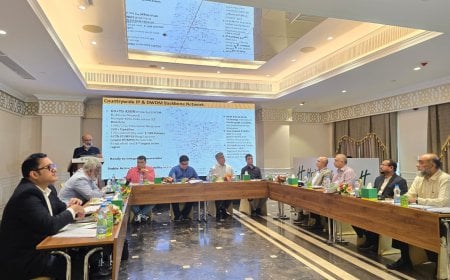
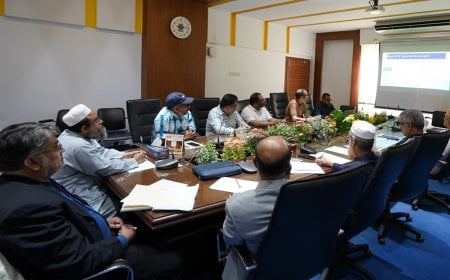
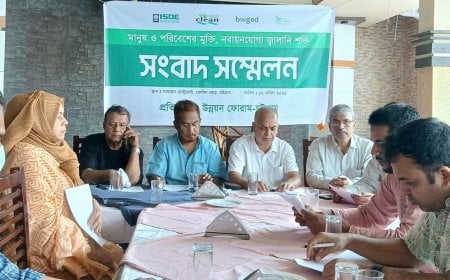
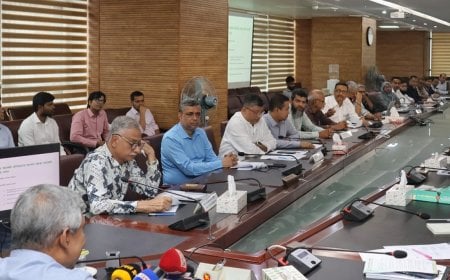
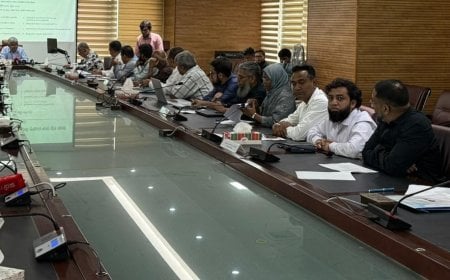
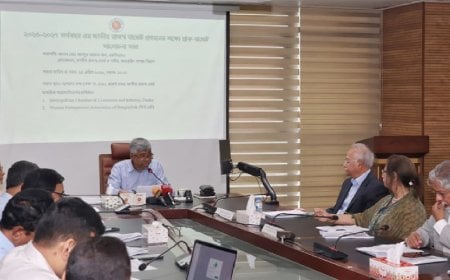
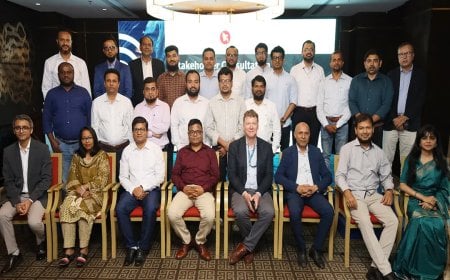
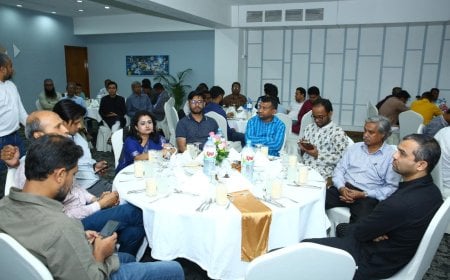
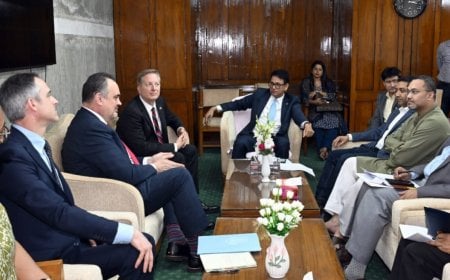
On Saturday, April 25, a special Policy Dialogue was held at the Banani Club Banquet Hall in Dhaka, focusing on the future roadmap of Bangladesh’s digital economy and the proposed legal framework. Policymakers, political leaders, technology entrepreneurs, and industry representatives participated in the discussion.
Organized by the Bangladesh ICT Stakeholders Association (BISA), the dialogue centered on the proposed Telecom, Data, and Cybersecurity Bill 2026. Speakers warned that imbalanced policies, excessive regulation, and weak data protection could put the country’s digital economy at serious risk. They cautioned that without strong data privacy safeguards, digital investment would be threatened. Overregulation and unclear policies could stifle startups and innovation, while ignoring practical realities in policymaking would render policies ineffective.
The event was chaired by BISA President Faisal Alim and moderated by advisor Md. Shamim Azad. Chief guest was Dr. Abdul Moyeen Khan, BNP Standing Committee Member. Special guests included Information Minister Zahir Uddin Swapan, Dhaka South City Corporation Administrator Md. Abdus Salam, Prime Minister’s Press Secretary Abu Abdullah M. Saleh, BNP National Executive Committee Assistant Secretary for Information & Technology HM Saif Ali Khan, and BISA Founder and Advisor Engineer Md. Jewel.
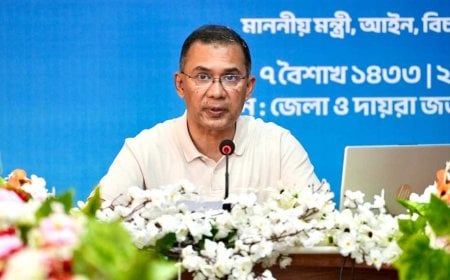
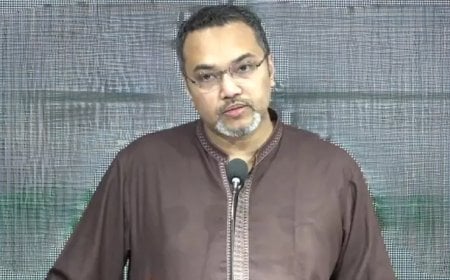
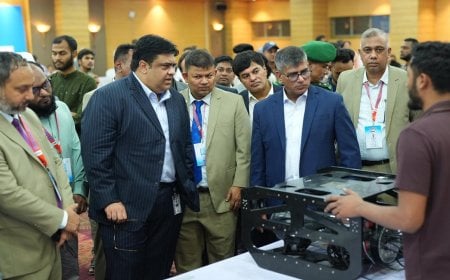
Information Minister Zahir Uddin Swapan emphasized that collective practice of technology-based modern knowledge and creative thinking will become a strategic strength for future civilization. He urged that Bangladesh’s creative talent, innovative ideas, and technological skills must be harnessed as national assets for development. Addressing the technology experts present, he said: “Your gathering here is not just about attendance; you have brought your creative thinking together. Such collective practice of creative ideas will become a resource for the nation.” He expressed hope that BISA would build an effective platform where stakeholders in the technology sector could invest their knowledge, skills, and ideas collectively.
The minister also noted that semiconductors, rare earth materials, and communication technologies have now become crucial strategic elements in global politics, economics, and technology. He explained that while energy resources once drove international conflicts, today the availability of rare earth materials and technological raw materials is becoming a major cause of geopolitical tension. He stressed that governments elected by the people bear responsibility for national governance, and therefore expert knowledge and advice are vital in formulating contemporary policies to meet the demands of a technology-driven new civilization.
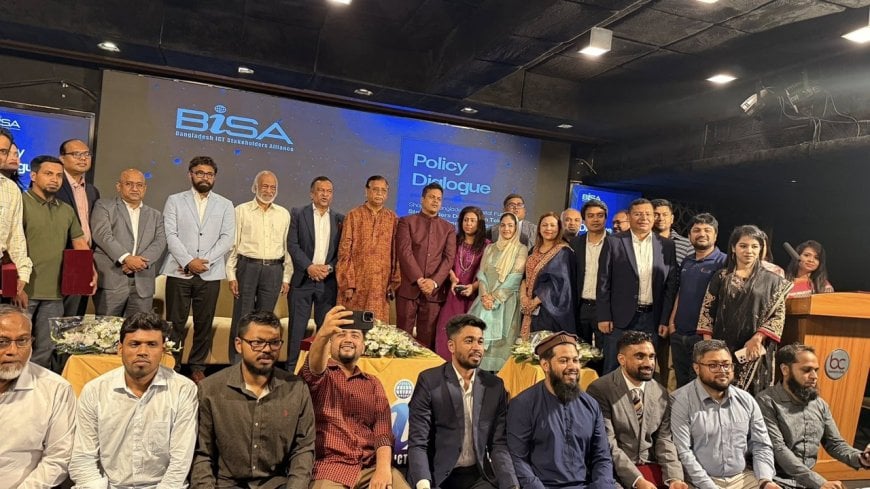
The keynote paper was presented by BISA advisor Mohammad Samiul Islam. Other speakers included BISA Vice President and BAKYA Director Saima Shawkat, Felicity ITC CEO Shariful Alam, and Chaldal’s Zia Ashraf, along with other technology entrepreneurs.
In his address, chief guest Dr. Abdul Moyeen Khan stated that to strengthen the digital sector, policies must be transparent, accountable, and realistic; otherwise, they will obstruct development. He stressed the urgency of a participatory, practical, and balanced digital policy. He noted that Bangladesh’s digital economy is expanding rapidly, but challenges such as data protection, cybersecurity risks, and regulatory complexities are emerging. In this context, the proposed bills will play a crucial role in shaping the future digital ecosystem. He warned that correct policies and implementation would advance Bangladesh’s digital economy, but flawed policies could damage the entire ecosystem.
In his presidential remarks, BISA President Faisal Alim alleged that during the previous Awami League government, the Gazipur Hi-Tech Park was left in ruins and the Jessore Hi-Tech Park was turned into a party office.
DBTech/MAR/MUIM