































































































































































BTRC at 24: Between Progress and Pressure
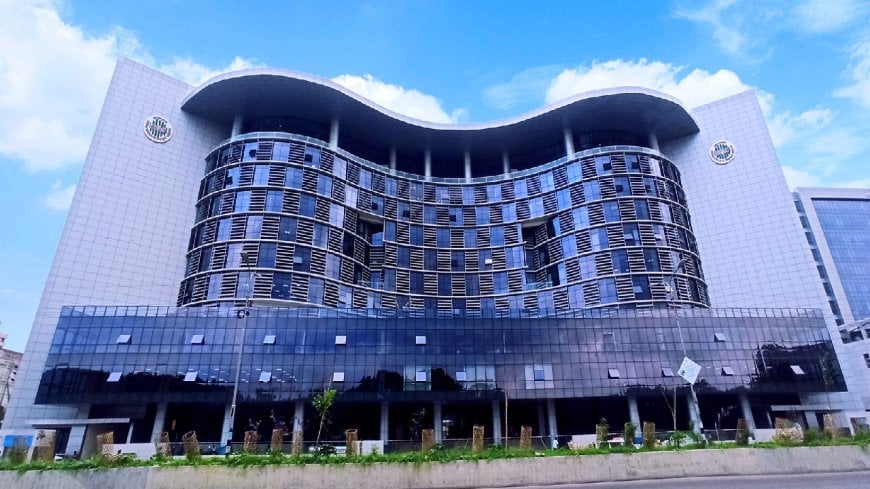



Established as an independent regulator on January 31, 2002, under the Bangladesh Telecommunication Act of 2001, the Bangladesh Telecommunication Regulatory Commission (BTRC) is observing its 24th anniversary this Saturday at its own premises in a largely low-key and homegrown setting.
Yet beneath this calm anniversary atmosphere, strong undercurrents are flowing within the commission. On one hand, BTRC’s role in laying the foundation of Digital Bangladesh is undeniable; on the other, unresolved questions around the erosion of its independence, alleged patronage of vested interests, and suppression of merit have generated simmering discontent within and outside the organisation. At this youthful yet critical juncture, BTRC stands at a crossroads—crowned with two decades of technological achievements, while simultaneously facing intense demands for transparency, accountability, and institutional reform.
Trapped in the Maze of Reforms
BTRC is no longer merely a licensing post office; it has evolved into a key guardian of national security and a central driver of the digital economy. Under its stewardship, Bangladesh has seen 5G trials and expanded submarine cable capacity. However, the current challenge extends beyond introducing new technologies—ensuring that their benefits reach ordinary citizens at affordable prices has become the real test.
Recent white papers and internal turbulence indicate that the time has come to remove long-accumulated institutional rust. As part of this process, several corrective measures have reportedly been initiated. Market analysts argue that “a regulator’s role is not limited to issuing licences; its true responsibility is to build a healthy and competitive market where the consumer is king.”
‘One Nation, One Licence’
BTRC is attempting to move away from its traditional, fragmented licensing regime. Previously, separate and complex licensing layers for ISPs, IGWs, and IIGs often created opportunities for corruption. In response, the commission is now working to merge licences based on service categories, aiming to dismantle long-standing syndicates.
Processes have also begun to cancel hundreds of inactive ISP licences that were allegedly issued in the past on political considerations. The emphasis, officials suggest, is shifting from quantity to quality of service.
NEIR Controversy and Unrest at BTRC Headquarters
Each year, illegally imported handsets worth thousands of crores of taka enter the Bangladeshi market. Against this backdrop, implementing the National Equipment Identity Register (NEIR) has become one of BTRC’s toughest challenges.
While the initiative aims to secure significant government revenue, mandatory handset registration and the blocking of unregistered devices have sparked social unease among users. In response, BTRC has leaned toward a soft launch strategy and automated registration to build its database gradually.
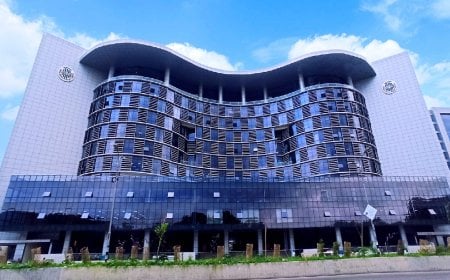
Nevertheless, the ongoing conflict between manufacturers and grey-market importers has deeply divided the mobile handset sector. This tension escalated into violence, with the BTRC building itself becoming a target.
Equitable Allocation of Spectrum
Radio spectrum remains BTRC’s most valuable asset. Historically, delays and high reserve prices in spectrum allocation prevented operators from acquiring adequate bandwidth—forcing consumers to suffer from call drops and slow internet speeds.
To address this, operators are now allowed to deliver 2G, 4G, and 5G services using the same spectrum. Even so, the recent auction of the 700 MHz band failed to fully satisfy all operators. Consequently, fresh spectrum auctions are being planned to achieve full-scale 5G deployment by 2026.
White Paper on Corruption and Institutional Cleansing
Overshadowing many of BTRC’s achievements, a recently published white paper—released just ahead of the anniversary—has exposed how a powerful internal syndicate allegedly took root within the commission. The document unveils a darker chapter of Bangladesh’s telecom sector, detailing how policy-level influence was exerted to benefit select groups.
The white paper points to politically motivated issuance of ISP and NTTN licences to unqualified entities, opaque use of large sums in the name of infrastructure development, and systematic suppression of competition by enabling market dominance for specific companies. Reports suggest that these networks remain active.
Internal documents cited in the report also allege the sidelining of meritorious officials in favour of individuals close to influential quarters, supported by documentary evidence. Even senior officials face direct corruption allegations, particularly regarding major projects such as the Telecom Monitoring System, where costs reportedly multiplied without adequate justification.
Although discussions have taken place about removing accused officials and restructuring the administration, implementation has yet to materialise. Allegations that these issues were ignored in the most recent commission meeting have left BTRC marking its anniversary in near isolation.
A Pause Before Change
This unusually quiet anniversary may, in reality, mark a period of preparation. If BTRC can learn from past mistakes, implement the white paper’s recommendations, and decisively root out corruption, the vision of a truly inclusive digital equity may still be realised.
The silence surrounding the Agargaon BTRC building today carries a collective hope—that it signals not stagnation, but the calm before a meaningful and positive transformation.