












































































































Affordable Access & AI Agenda: Govt Pushes Telecom Transformation
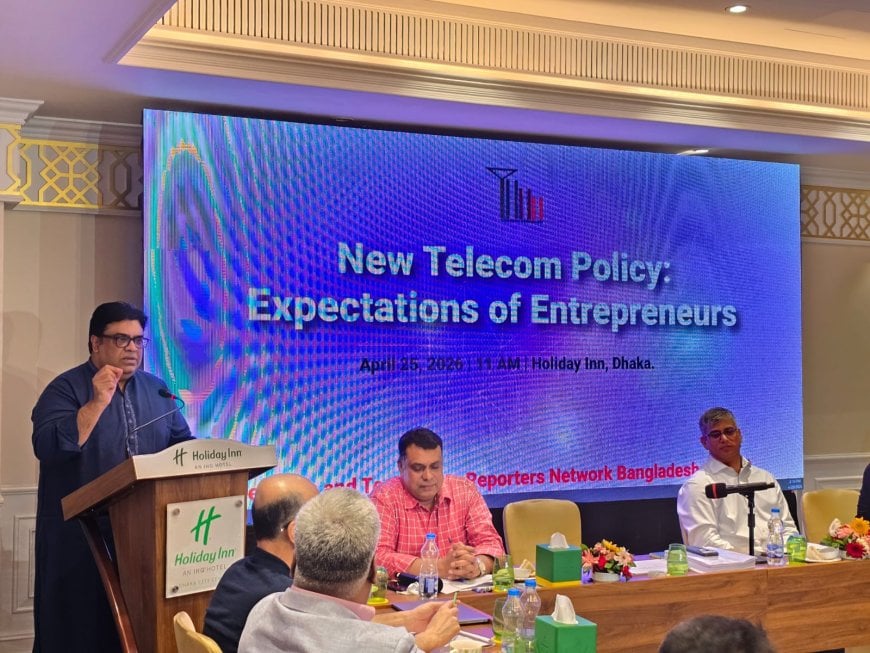



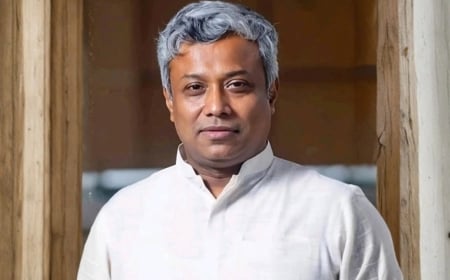
Prime Minister’s ICT and Telecom Adviser Rehan Asif Asad has emphasized reducing smartphone prices to within Tk 2,500, lowering the tax burden on monitors, and prioritizing energy access for telecom KPI institutions.
He said that if these initiatives are implemented, citizens’ identity and financial transactions will be integrated into a single platform, making access to both public and private services easier, faster, and more efficient. He also noted that the implementation is targeted to begin in phases over the next 12 to 18 months.
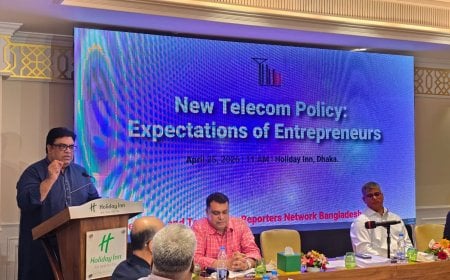
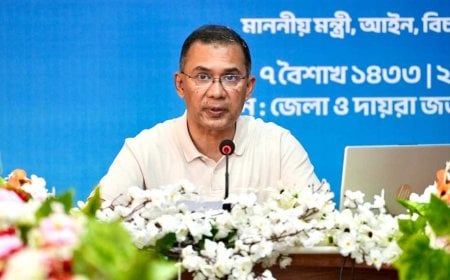
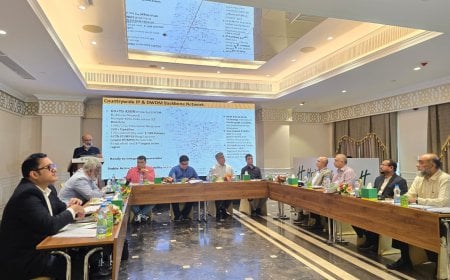
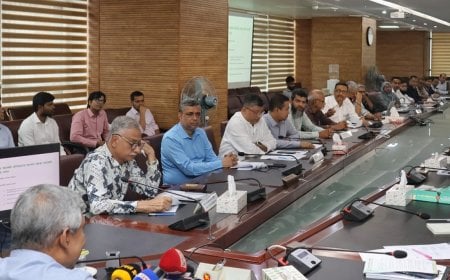
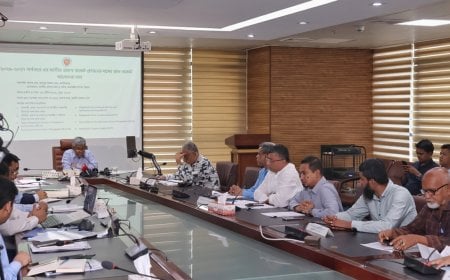
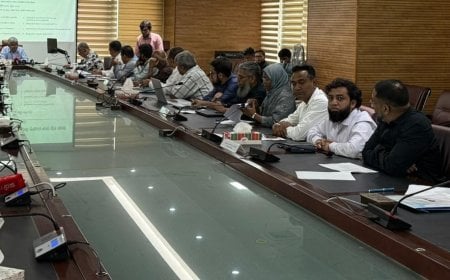
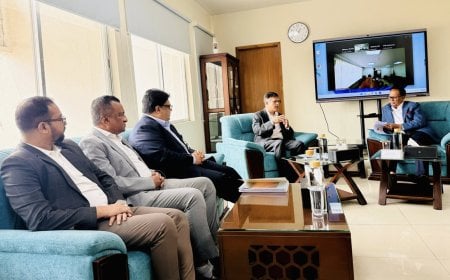
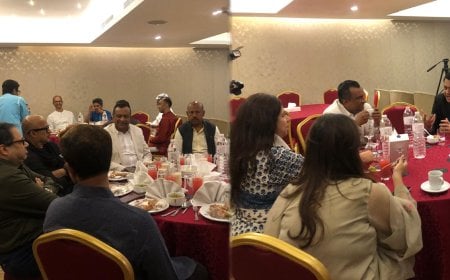
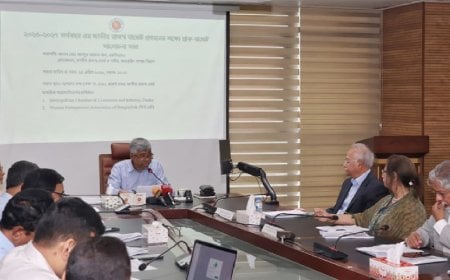
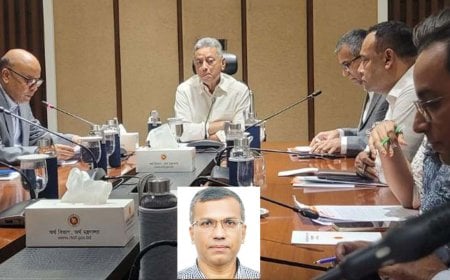
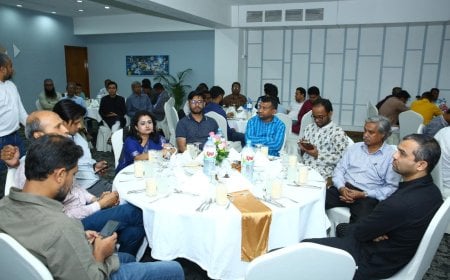
The remarks were made on Saturday, 25 April, during his keynote address as the chief guest at a roundtable discussion on the new telecom policy and entrepreneurs’ expectations, held at the Holiday Inn in the capital.
The Prime Minister’s Adviser on Posts, Telecommunications and Information Technology stated, “There should be no politics in the telecom sector; it is a future industry for the country. The government is working to bring 90 percent of the population under 100 Mbps broadband connectivity and 5G mobile networks. Every citizen will have a unique digital ID and a digital wallet. We are also considering changes in the tax structure to maintain balance in taxation on consumers.”
He added that imposing Tk 38 tax on a Tk 100 service is not reasonable, and stressed the need to move forward as an interconnected industry. He also assured interconnectivity among ISPs.
Expressing concern, the adviser noted that although Bangladesh ranks third in terms of mobile subscribers, it stands at 141st in service quality. He described the current state of mobile and broadband services as a “collective failure,” while also highlighting it as a major opportunity. Compared to many Southeast Asian countries, Bangladesh lags behind in broadband services, which must be acknowledged and addressed moving forward.
He outlined the government’s priorities as follows: first, the welfare of citizens or consumers; second, business and economic growth; and third, increasing foreign direct investment (FDI). The target is to raise FDI to 2.5 percent of GDP, which would represent nearly a 400 percent increase.
He further stated that the government views past collective failures in the telecom sector as opportunities. “Our slogan is ‘Bangladesh First,’ and we prioritize consumer interests. At the same time, digital sovereignty is critically important, and we are placing strong emphasis on cybersecurity. We are also working to incorporate AI into the education curriculum,” he added.
Regarding the telecom tax structure, he said that the entire value chain—devices, manufacturing, services, and revenue sharing—is being reassessed. He emphasized that without financial sustainability, quality service delivery is not possible, and therefore a balanced taxation system is essential.
At the event, organized by the Telecom and Technology Reporters Network Bangladesh (TRNB), BTRC Chairman Md. Emdad Ul Bari, speaking as a special guest, urged businesses to adapt to rapidly evolving technologies. “We must move forward together in a win-win approach,” he said.
Calling for responsible criticism, he warned against baseless allegations and noted that opportunities for foreign investment have been kept open in infrastructure development. NSPs will be able to operate through subsidiaries, and he clarified that there are misunderstandings regarding CMSPs.
On foreign investment in telecom policy, the chairman said, “We are not innovators; we are users. Therefore, we need to provide opportunities to foreign companies.”
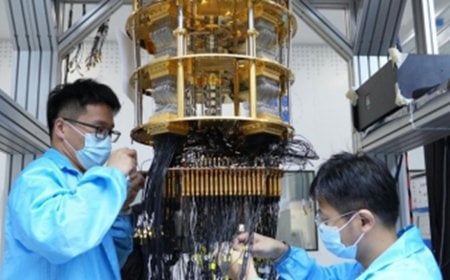
Drawing a comparison between technology and growth, he added that growth originates from scientific innovation in laboratories, while businesses transform those inventions into practical innovations. “We must not flicker dimly; we need to make a quantum leap,” he said, emphasizing a shift in focus from voice to data services.
Earlier, columnist and YouTuber journalist Masud Kamal expressed concern over unlimited Wi-Fi services offered by mobile operators. He alleged that foreign operators exert undue influence over the government and called for opening up Teletalk for improved services.
Masud Kamal also shared his personal experience, stating that although he uses all mobile operator SIMs for his YouTube-based livelihood, he often has to rely on neighboring broadband connections in rural areas to upload content, despite the availability of free Wi-Fi services in cities.
Previously, technologist Suman Ahmed Sabir presented the keynote paper at the session titled “New Telecom Policy: Entrepreneurs’ Expectations.”
The session was moderated by TRNB President Samir Kumar De, while General Secretary Masuduzzaman Robin delivered the welcome address. Participants also included ISPAB President MA Hakim, Fiber@Home Chairman Moinul Haque Siddiqui, Mobile Telecom Operators of Bangladesh (MTB) Secretary General Lt. Col. (Retd.) Mohammad Zulfikar, among others.
Additional speakers included AIOB General Secretary Nurul Alam, TIOB Member Secretary Didarul Islam, IGW Operators Forum (IOF) Chief Operating Officer Mushfiq Manjur, IIGW Forum General Secretary Ahmed Junaid, ISPAB President Aminul Hakim, and Fiber@Home Chairman Moinul Haque Siddiqui.
DBTech/SA/MUIAM/OR