














































































































Telecom Talks: TRNB Hosts Policy Dialogue on Infrastructure, Investment, and Innovation
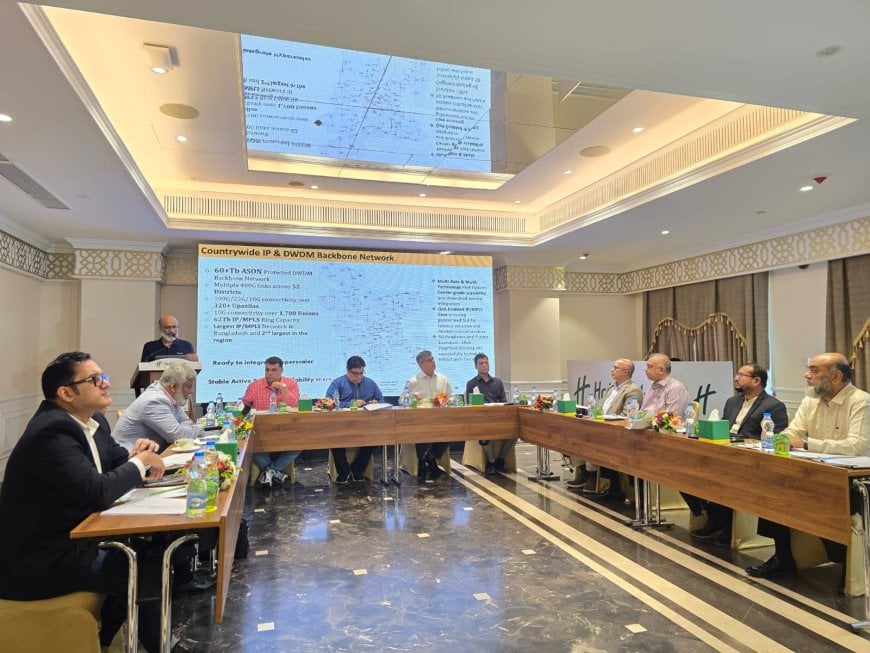



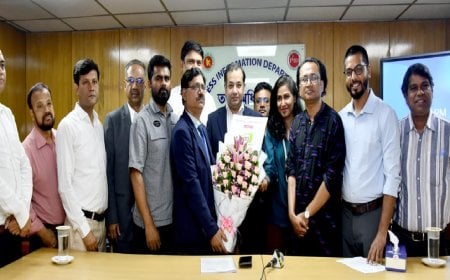
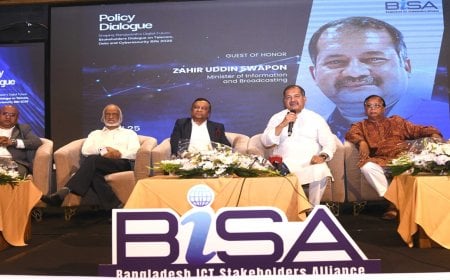
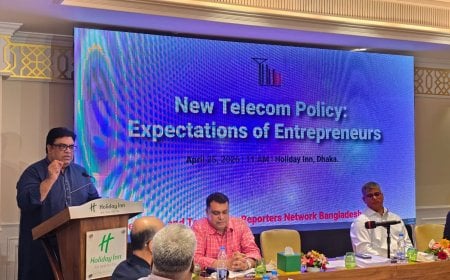
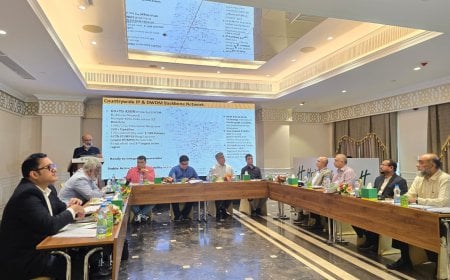
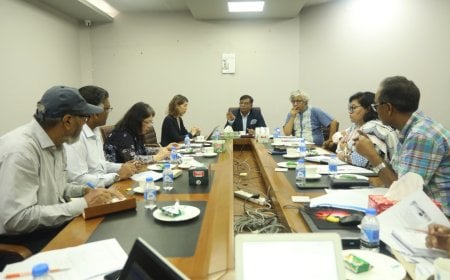
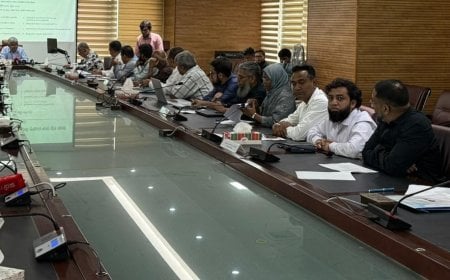
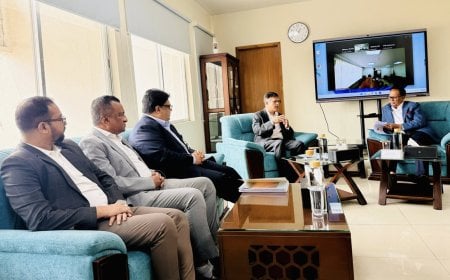
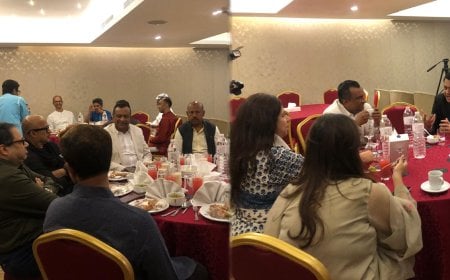
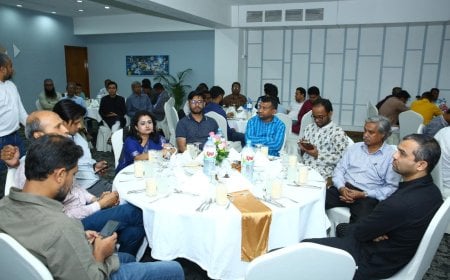
After a year of meetings with entrepreneurs and investors, the Telecom Reporters Network Bangladesh (TRNB) on Saturday, April 25, held its first specialized dialogue with the new government and sector stakeholders on telecom policy and infrastructure.
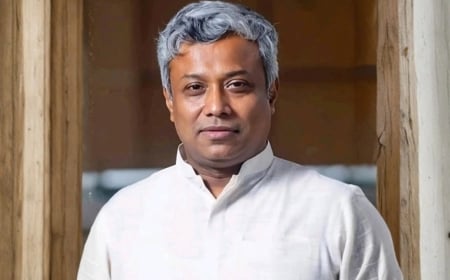
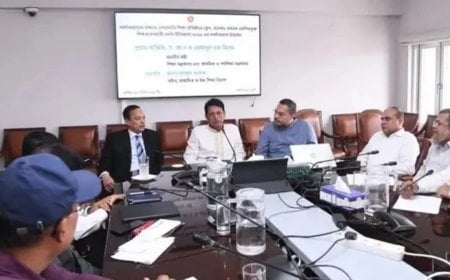
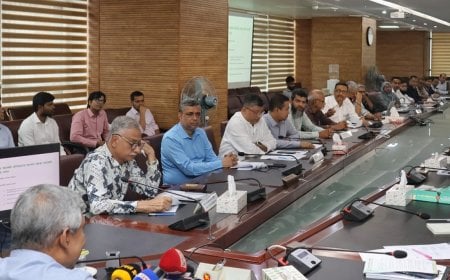
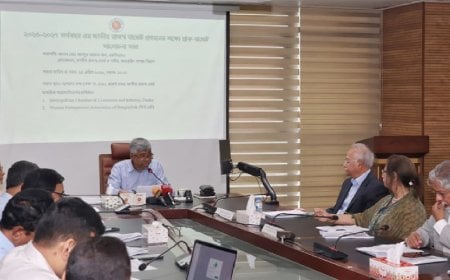
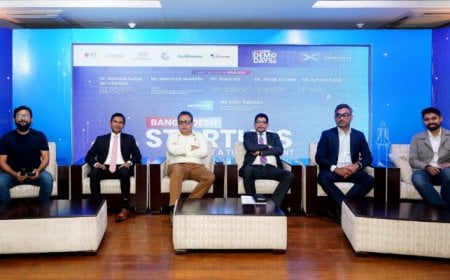
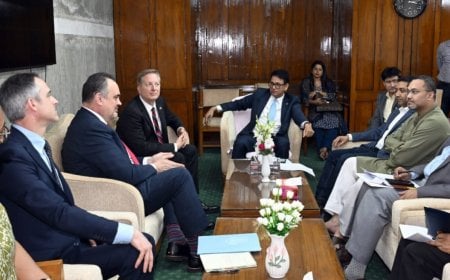
The dialogue, held at the Ilish Hall of Holiday Inn Hotel in the capital, was attended by the Prime Minister’s Adviser on Information Technology and Telecommunications, Rehan Asif Asad, as the chief guest. Bangladesh Telecommunication Regulatory Commission (BTRC) Chairman Emdad Ul Bari was present as the special guest.
Participants at the meeting noted that discussions are underway on a new policy framework aimed at modernizing the telecommunications sector and making it more investment-friendly. The proposed policy includes reducing the number of licenses, ensuring technology neutrality, and creating opportunities to attract foreign investment. However, concerns were also raised about increased market dominance by large foreign companies, the risk of local entrepreneurs losing competitiveness, higher outflow of foreign currency, and potential data security threats. It was emphasized that national interest, fair competition, and the protection of local investments must be prioritized in formulating the new policy.
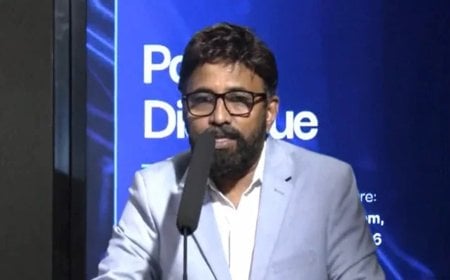
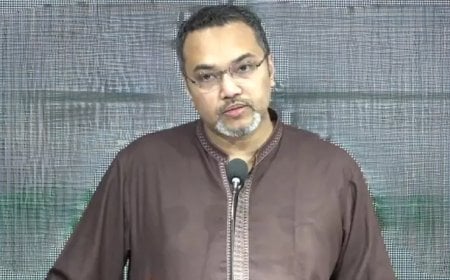
Moderated by TRNB President Samir Kumar Dey, the session began with an opening speech by General Secretary Masuduzzaman Robin. At the outset, technologist Suman Ahmed Sabir presented a comprehensive overview of telecom policy developments.
He stated that politically motivated licensing in 2007 created opportunities for malpractice in the sector. He also noted that the expansion of NTTN fiber networks led to a rise in Internet Service Providers (ISPs) around 2015.
According to him, the new policy framework, while favoring mobile operators, risks compromising sovereignty at the upper layers and provides comparatively greater advantages to foreign entrepreneurs over local ones. He warned that this could effectively lead to the creation of an “East India Company” scenario in Bangladesh’s telecom sector, despite the significant employment generation by local ISPs.
To accelerate sectoral growth, he recommended abolishing revenue-sharing requirements and strengthening BTRC’s institutional capacity. He added that rather than favoring foreign entities, policies should focus on enhancing the capabilities of domestic entrepreneurs. Removing revenue-sharing burdens would make services more accessible and improve quality. For safeguarding sovereignty, he stressed that infrastructure development should be led by fully local companies, including initiatives to manufacture routers, modems, and related equipment domestically.
Highlighting the development and future prospects of Bangladesh’s telecommunications sector, Suman Ahmed Sabir said that over the past two decades, the sector has emerged as one of the fastest-growing and most significant contributors to the national economy. Once limited to minimal mobile connectivity, expensive internet services, and urban-centric communication, the sector has now become a cornerstone of national development, digital economy, education, healthcare, and administrative services. Starting with email and basic internet services in the 1990s, the country has witnessed a transformation driven by mobile networks, broadband, fiber optics, and expanded international connectivity.
Policy reforms after 2007 brought new momentum to the sector. A new licensing framework was introduced to regulate international voice and data services, curb illegal VoIP operations, and safeguard government revenue. This brought discipline to international communications and increased revenue generation. Simultaneously, the expansion of fiber optic infrastructure laid the foundation for the country’s digital progress.
With the introduction of the Nationwide Telecommunication Transmission Network (NTTN), fiber connectivity reached district, upazila, and union levels. This significantly improved internet speeds, reduced bandwidth costs, and expanded broadband accessibility nationwide. Mobile operators, ISPs, banks, educational institutions, government offices, and the private sector leveraged this infrastructure to expand services rapidly, reducing the digital divide between urban and rural areas.
He noted that this progress has driven major economic changes, enabling the growth of e-commerce, mobile banking, online education, freelancing, outsourcing, telemedicine, and ICT-based employment opportunities. Many local entrepreneurs have invested in ISPs, fiber networks, data centers, and technology services, creating new industrial segments. As a result, the telecom sector has evolved into a key driver of the national economy rather than merely a communication medium.
Suman added that the future of Bangladesh’s telecom sector is highly promising. With the adoption of 5G technology, Internet of Things (IoT), artificial intelligence, smart cities, cloud services, and digital industrialization, the sector is poised for further expansion. With proper planning, a strong regulatory framework, a balanced approach to local and foreign investment, and the use of modern technologies, Bangladesh has the potential to emerge as one of South Asia’s leading digital economies.
“Overall, Bangladesh’s telecommunications sector stands as a major success story in the country’s development journey. With visionary policies and effective investment, it can become an even stronger engine of national progress,” the technologist added.
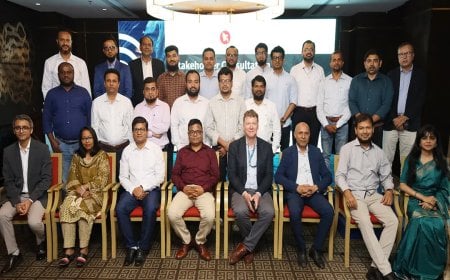
Among others, speakers at the seminar included AIOB General Secretary Nurul Alam, TIOB Member Secretary Didarul Islam, IGW Operators Forum representative Mushfiq Manzur, MTB Secretary General Mohammad Zulfikar, IIGW Forum General Secretary Ahmed Junaid, ISPAB President Aminul Hakim, and Fiber@Home Chairman Moinul Haque Siddiqui.
DBTech/SA/EK/OR