




























































































































































TIB Highlights Transparency Concerns Over Removal of Government Decision Records



The Executive Director of Transparency International Bangladesh (TIB), Dr. Iftekharuzzaman, has alleged that after the new government assumed office, information regarding many decisions of the interim government—particularly those of the Chief Adviser’s Office—was removed from official state documents and websites. According to him, the Right to Information Act is still being operated in the same old manner.
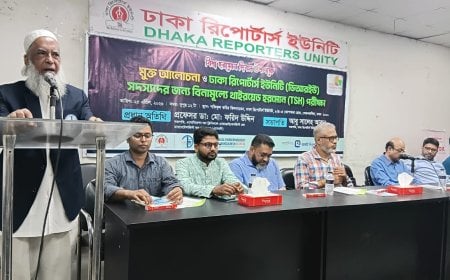
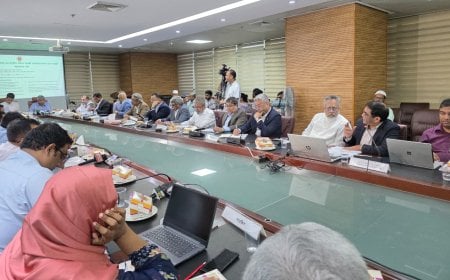
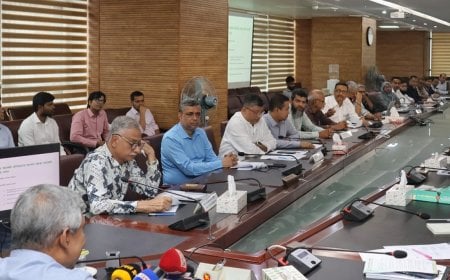
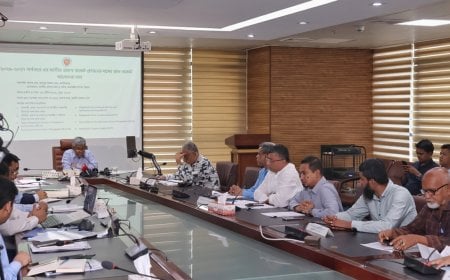
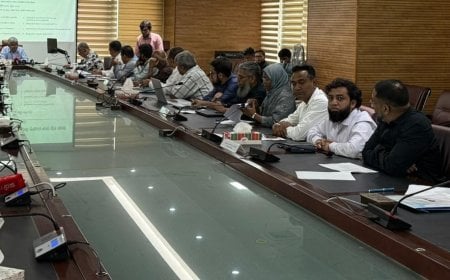
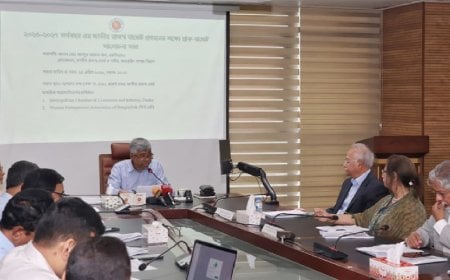
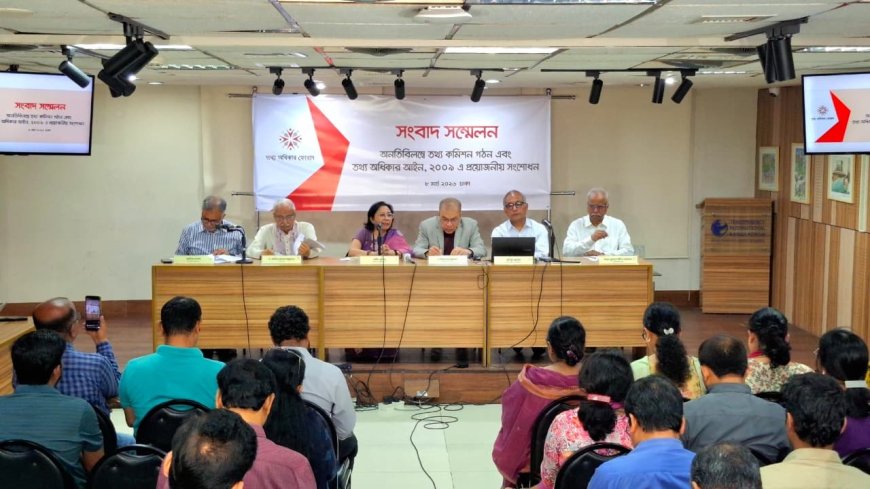
He made these remarks on Sunday, 8 March, at a press conference held at the MIDAS Center in Dhanmondi in the capital. The press conference was titled “Immediate Formation of the Information Commission and Necessary Amendments to the Right to Information Act 2009.” Dr. Iftekharuzzaman said that citizens of the state have the right to know all information—whether correct or incorrect.
He asserted that removing information is contrary to the law and conflicts with the Right to Information Act. He further commented that many decisions in key national sectors during the interim government period were taken “in the dark,” and that over the past one and a half years the Information Commission had not been allowed to be properly established.
The TIB Executive Director noted that even if governments change, the state remains in place, and no one is above accountability. He said TIB would also speak out if there is a lack of transparency in the activities of the interim government. Referring to the clause on the right to information in the manifesto of the Bangladesh Nationalist Party (BNP), he urged the new government to implement it. Regarding the appointment of Information Commissioners, he said consideration should be given to those who have relevant experience in the field.
Criticizing the appointment of individuals as Information Commissioners in recent years who lack understanding of the subject, he said that those capable of working above vested interests should be appointed. He also urged authorities not to appoint anyone with a mindset of concealing information.
At the press conference, Dr. Badiul Alam Majumdar, Secretary of Shushashoner Jonno Nagorik (SUJAN), said that the Right to Information Act can ensure transparency in government activities.
He called for bringing political parties under the scope of the Right to Information Act so that the public can know about their financial accounts and operations. Syed Sultan Uddin Ahmed, Executive Director of Bangladesh Institute of Labour Studies (BILS), said that if the flow of information in the country were properly maintained, incidents such as money laundering would not occur.
He also called for an end to partisan considerations in appointments to the Information Commission and urged moving away from the culture of changing everything with every change of government. Zakir Hossain, Chief Executive of Nagorik Uddyog, alleged that bureaucrats have always had strong influence over the Information Commission and that the commission remained ineffective even during the interim government period.
He demanded the swift formation of the Information Commission. The event was chaired by Shaheen Anam, Convener of the Right to Information Forum, while the keynote presentation was delivered by Hasibur Rahman, Executive Director of Management and Resources Development Initiative (MRDI).
Among others present at the event were Shaheen Anam, Executive Director of Manusher Jonno Foundation and Convener of the Right to Information Forum; Dr. Badiul Alam Majumdar, Secretary of SUJAN; Syed Sultan Uddin Ahmed, Executive Director of BILS; and Zakir Hossain, Chief Executive of Nagorik Uddyog.
DBTech/MI/MUM/OR