





















































































































Nintendo Sues U.S. Government Over Tariffs Imposed Under Trump Administration



Japanese video game company Nintendo has filed a lawsuit against the U.S. government’s tariff policy. The case, filed with the United States Court of International Trade, seeks the return of tariffs collected during the administration of Donald Trump. The U.S. Supreme Court recently declared the imposition of those tariffs unlawful, according to Engadget.
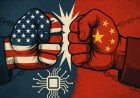
Beginning in February 2025, the Trump administration started imposing tariffs on goods imported from various countries under the International Emergency Economic Powers Act (IEEPA). Nintendo argued that the tariffs caused the company “substantial harm due to unlawful executive orders.” In the lawsuit, the company has requested a “prompt refund with interest.”
The tariff policy directly affected Nintendo’s business operations. The company was forced to suspend pre-order sales of its new console, the “Nintendo Switch 2,” in the United States. The decision was taken to better assess the potential impact of the tariffs. Although the company later kept the console’s price unchanged, it had to increase the prices of several accessories.
On February 20, the U.S. Supreme Court, in a 6–3 ruling, determined that the president does not have the authority to impose tariffs under the IEEPA. In the ruling, Chief Justice John Roberts stated that under Article I of the Constitution, the power to impose taxes rests with Congress, not the executive branch.
Following the Supreme Court’s decision, U.S. Customs and Border Protection (CBP) announced that the collection of tariffs under the IEEPA would be halted starting February 24. Judge Richard Eaton of the Court of International Trade also issued a directive supporting the inclusion of all importers under the refund framework for unlawful tariffs. A CBP official informed the court that legitimate refunds would include interest in accordance with the law.
The Trump administration’s tariff policy was initially announced in April 2025 under the initiative titled “Liberation Day,” which imposed a minimum tariff of 10 percent on goods imported from nearly all countries. As a result, hundreds of companies, including Nintendo, were required to pay substantial amounts in tariffs.
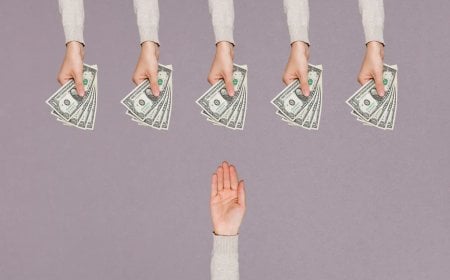
It is estimated that through this lawsuit, Nintendo may recover a portion of the more than $200 billion in tariffs collected.
DBTech/BMT/OR