A research study titled “Preventing Online Sexual Exploitation of Children and Children with Disabilities in Bangladesh” has revealed that 23% of children in online platforms face severe risks, with Facebook identified as the most unsafe space for minors.
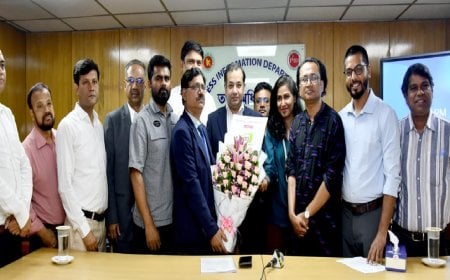
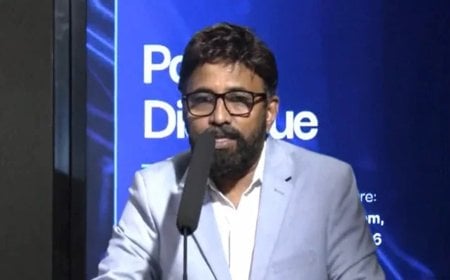
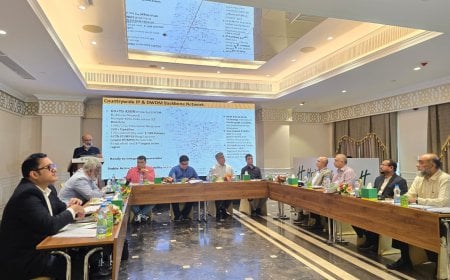
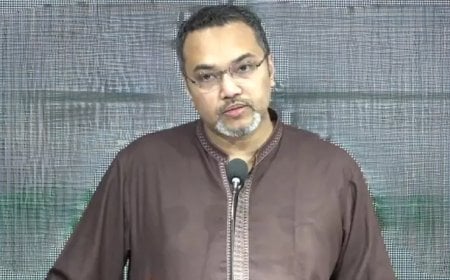
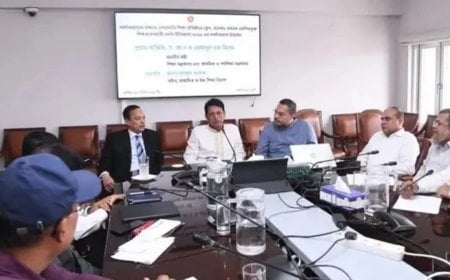
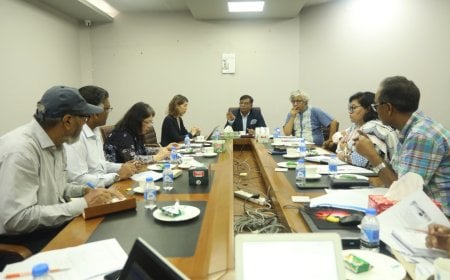
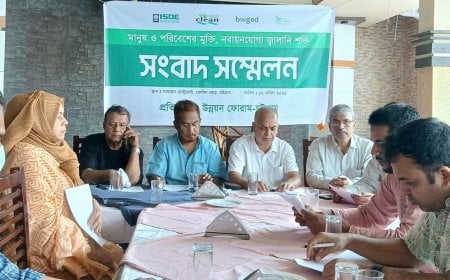
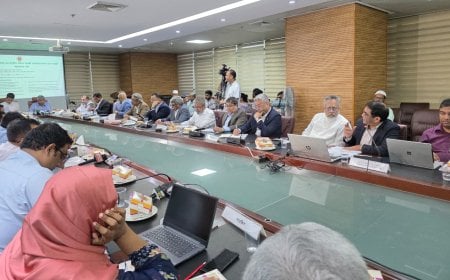
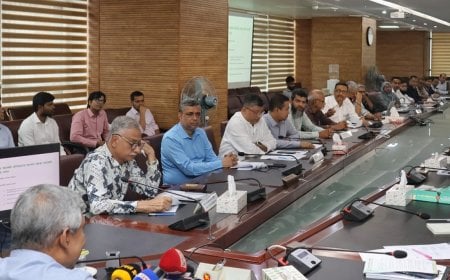
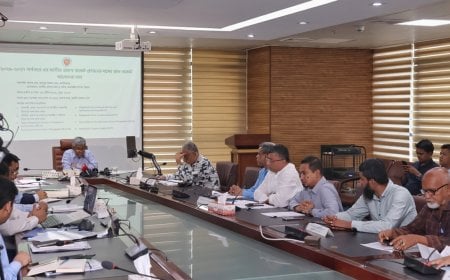
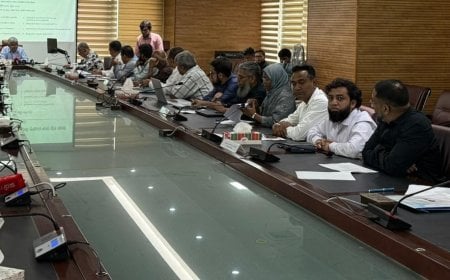
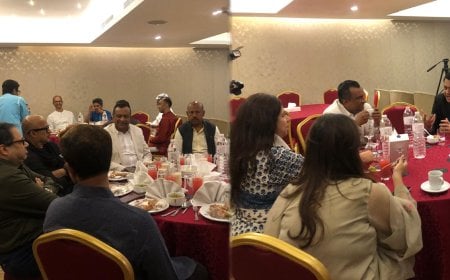
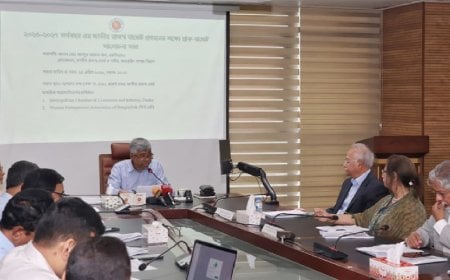
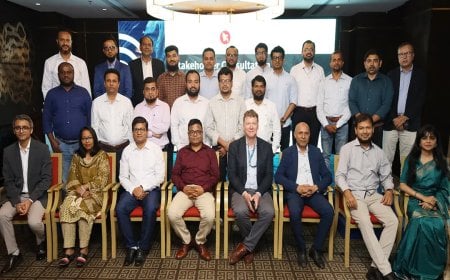
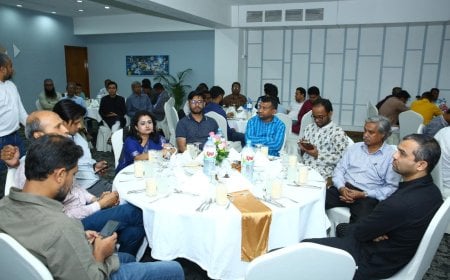
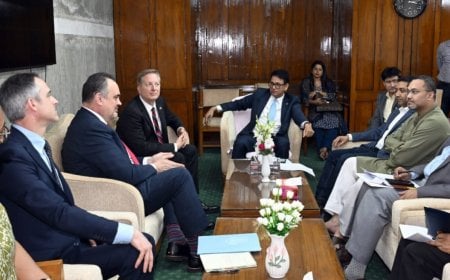
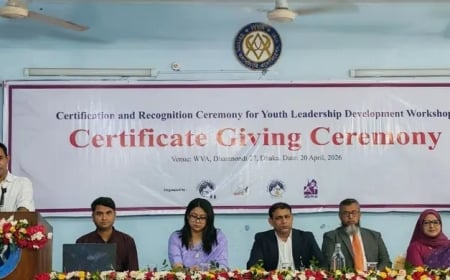
The findings were presented on Monday, 8 December, at a hotel in Dhaka by Professor Dr. Md. Ahsan Habib of Dhaka University. The event was presided over by Nurul Kabir, Programme Coordinator of Terre des Hommes Netherlands (TdH–NL), an international Netherlands-based organisation.
According to the study, lack of inclusive protection measures is increasing vulnerabilities surrounding online sexual exploitation and other digital threats. The research shows that 8% of children are at partial risk, while 69% are in a partially safe condition.
A particularly alarming insight reveals that 77% of children using Facebook are at risk, and platforms such as Instagram and other social media channels also pose considerable dangers.
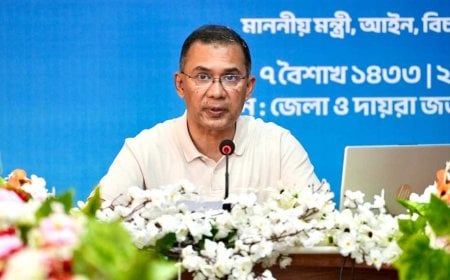
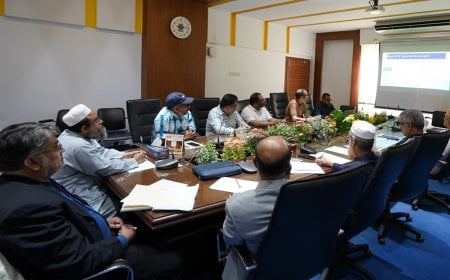
Speakers at the workshop included Director General of the Department of Social Services Saidur Rahman Khan, DMP Deputy Commissioner (Women Support and Investigation) Farhana Yasmin, disability rights expert Shah Moazzem Hossain, BERDO Executive Director Saidul Haque, and Access Bangladesh Foundation Chairperson Mahua Pal.
Professor Ahsan Habib noted that while online platforms create new opportunities, growing digital usage across both urban and rural areas has simultaneously escalated online sexual harassment and other threats — with children being the most affected. He emphasized the importance of investment in safe online practices, inclusive education, teacher training, and accessible justice systems.
He added that no single initiative can solve these challenges. Child protection and digital safety laws and policies must prioritize the needs of children with disabilities, while disability programmes, digital literacy initiatives, and child protection workers must work collaboratively.
Director General Saidur Rahman Khan said children continue to face physical and mental abuse, falling into both visible and invisible traps of the internet. He stressed the need to stop these threats for the healthy development of children, calling for coordinated efforts at both government and non-government levels. He also noted that a National Platform for Child Protection has been formed, involving child-related organisations.
In his concluding remarks, chair Nurul Kabir stated that children with disabilities are among the most neglected groups globally. While around 16% of the world’s population lives with disabilities, Bangladesh’s official estimate stands at only 2.8%. Long-standing neglect, stigma, and invisibility have deepened discrimination. Children with disabilities, he said, face even more obstacles in education, mobility, and social participation, making their situation uniquely complex.
DBTech/MUM/OR