


















































































































































Challenges in Birth and Death Registration Highlighted in Workshop




Despite legal provisions mandating birth and death registration within 45 days, a lack of public awareness and various bureaucratic obstacles have led to a low registration rate in Bangladesh. Experts in the field attribute this issue to citizens' unfamiliarity with the law and the complicated registration process. They have proposed that, instead of individuals approaching the registrar’s office, hospitals should directly send birth and death declarations to the relevant registration authority. Additionally, they suggested incorporating assistants or facilitators into the regulatory framework to support the process.
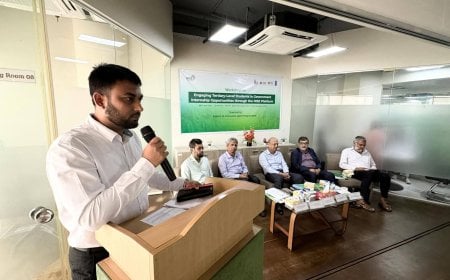
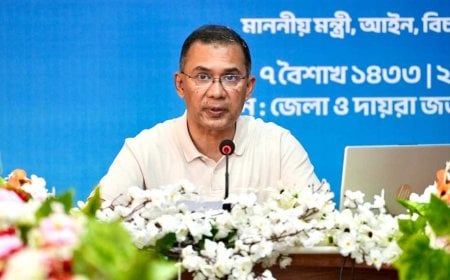
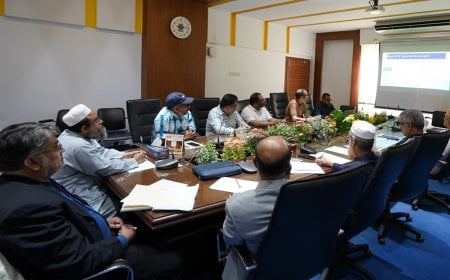
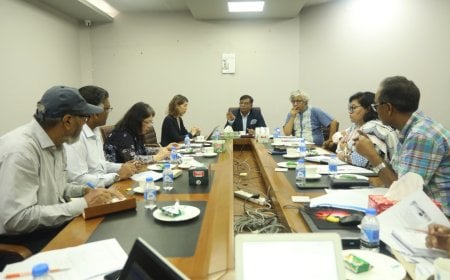
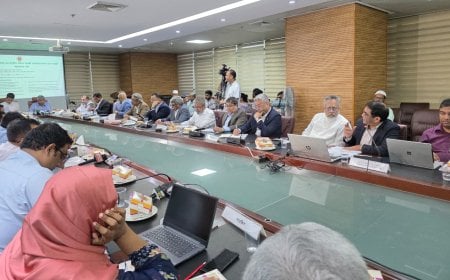
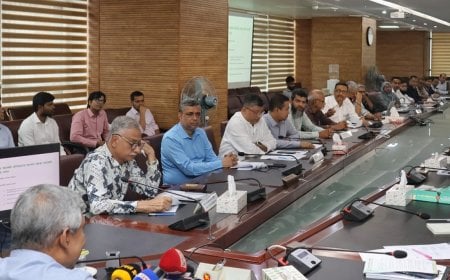
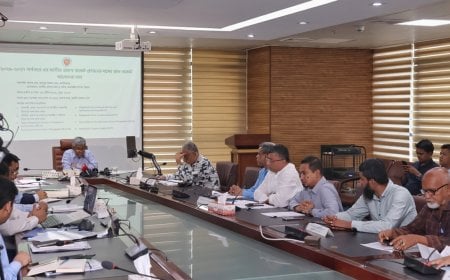
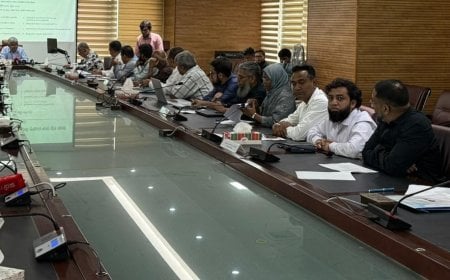
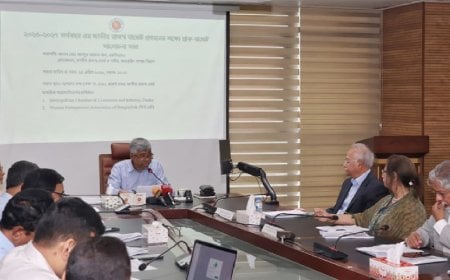
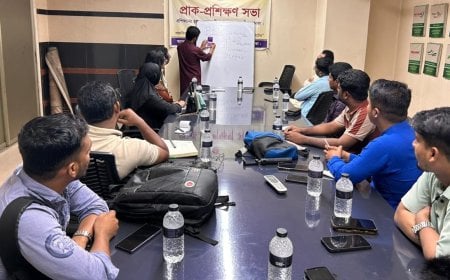
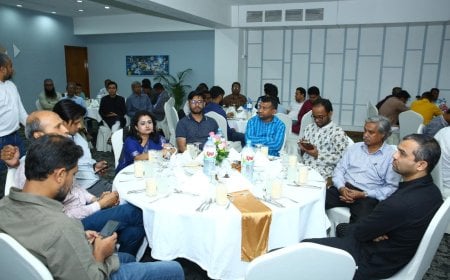
These observations and proposals were presented at a workshop titled “Disseminating Information on Civil Registration and Vital Statistics (CRVS),” held on Thursday at a hotel in Segunbagicha, Dhaka. The event was jointly organized by Nari Maitree, a non-governmental organization, and the Global Health Advocacy Incubator.
Speakers at the workshop pointed out that despite the legal requirements, death registration in Bangladesh remains challenging due to cultural beliefs, funeral rituals, and administrative red tape. These factors complicate and prolong the process, making it a burdensome experience for many.
In her welcome address, Shaheen Akhter Dolly, Executive Director of Nari Maitree, stated, "It has not yet been possible to register the births of all people in Bangladesh. However, birth and death data of over 160 million individuals are stored in the database, and this number is constantly increasing. The flexibility in birth registration, which allows multiple registrations for the same person with different birth dates, has led to inconsistencies."
Muhammad Ruhul Kuddus, Bangladesh Country Lead of the Global Health Advocacy Incubator, emphasized the importance of timely registration, saying, "It is mandatory to register a child's birth within 45 days. However, many people fail to comply with this requirement. Without proper birth and death registration, individuals face difficulties later in life. If these registrations are done accurately from the start, conducting a national census every ten years would no longer be necessary, as the registry would provide real-time population data, including birth and death statistics."
Other speakers at the event included Nazrul Islam, Country Coordinator of CRVS, Additional Secretary of the Cabinet Division Moin Uddin, and Rashed Rabbi, President of the Bangladesh Health Reporters Forum.
The discussants noted that the 2018 government regulations had made birth and death registration easier by ensuring that registrations made within 45 days are free of charge. In developed countries, birth and death registration is primarily hospital-based, enabling authorities to provide faster and more efficient services.
As Bangladesh advances, the number of births and deaths occurring in hospitals is increasing. The speakers suggested that granting public and private hospitals and clinics the legal authority to conduct birth and death registrations would significantly enhance the system’s efficiency and effectiveness.