





















































































































Faruk Wasif Urges Media to Boost Ballot Reform Awareness




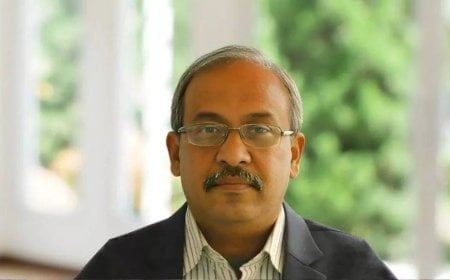
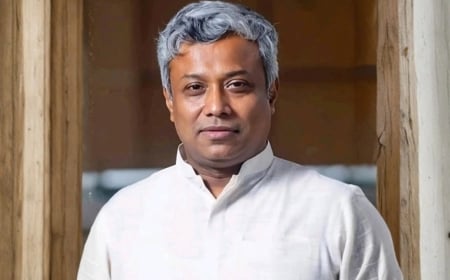
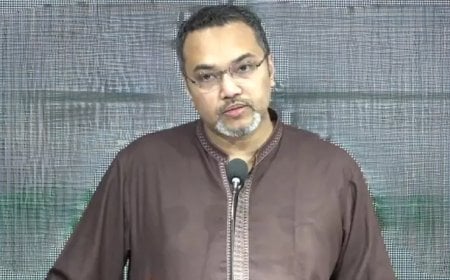
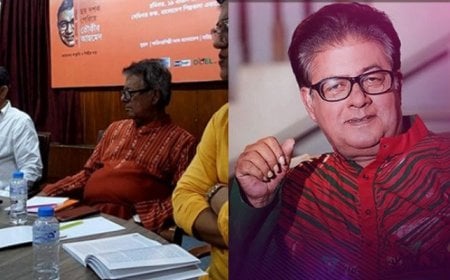
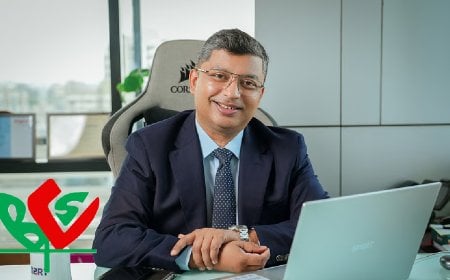
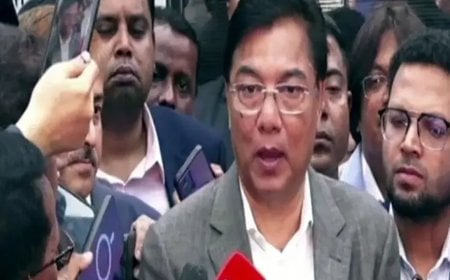
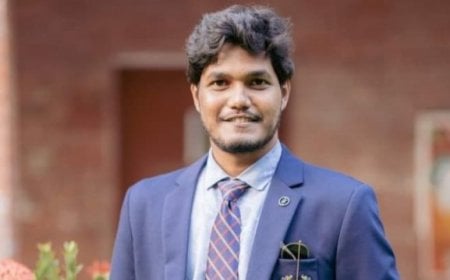
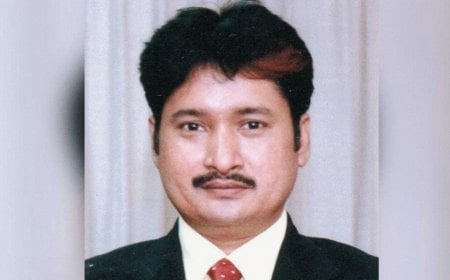
Press Institute of Bangladesh (PIB) Director General Faruk Wasif has urged journalists to play a proactive role in raising public awareness about electoral reform and the proposed “referendum” ahead of the 13th parliamentary election, warning that deception is continuing in the name of reform.
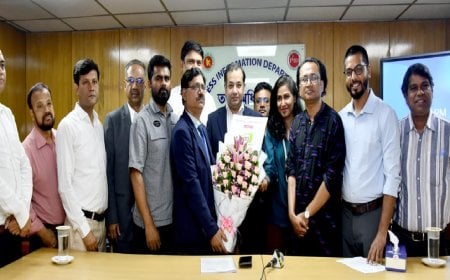
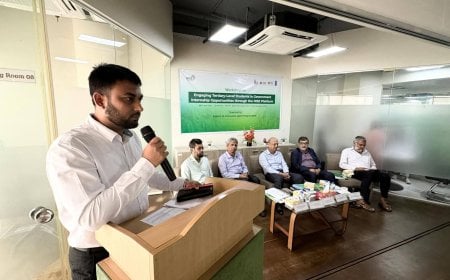
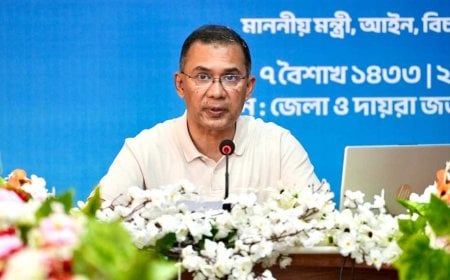
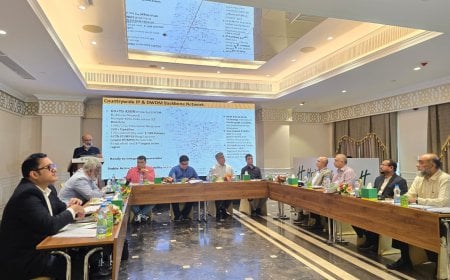
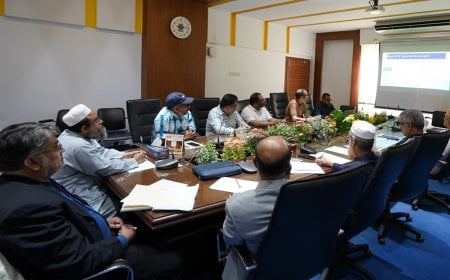
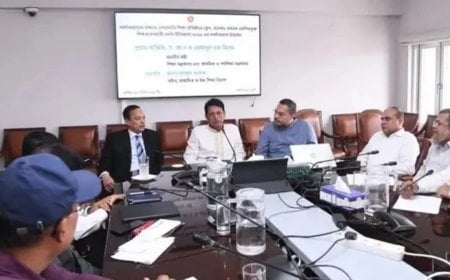
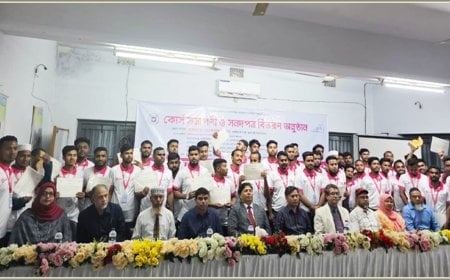
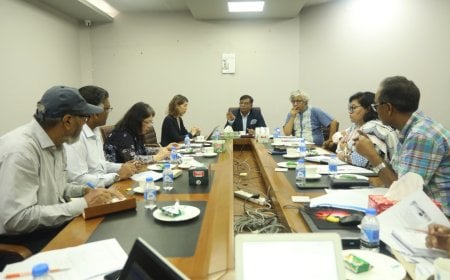
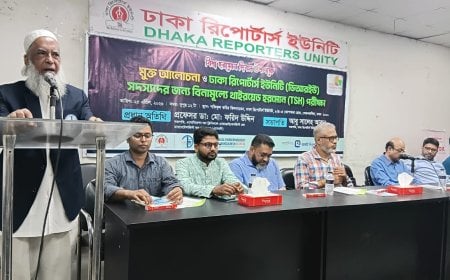
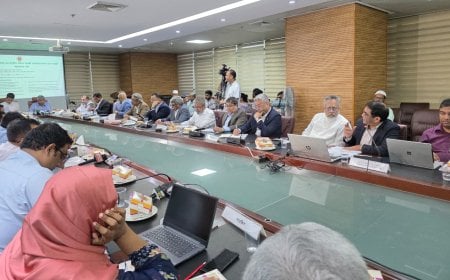
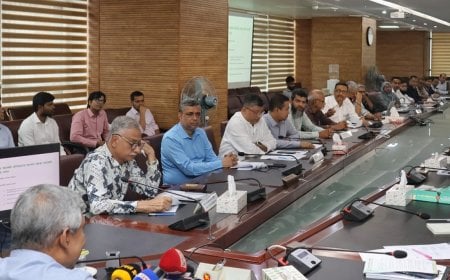
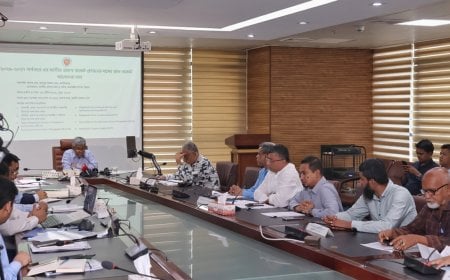
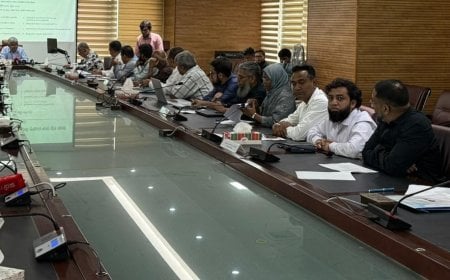
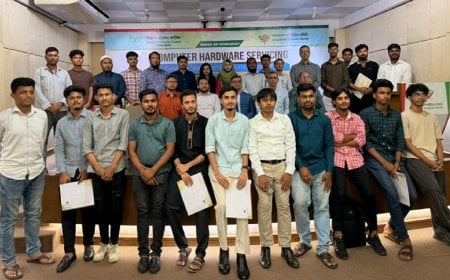
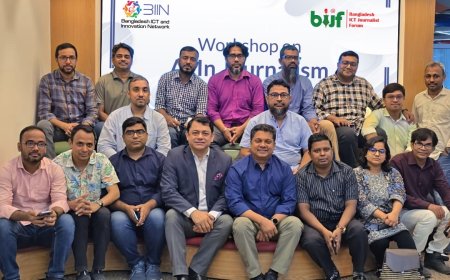
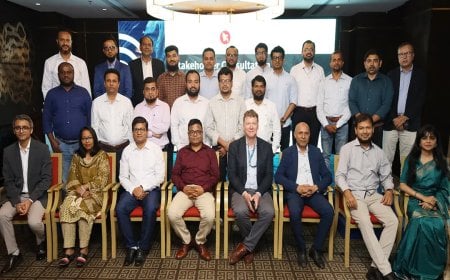
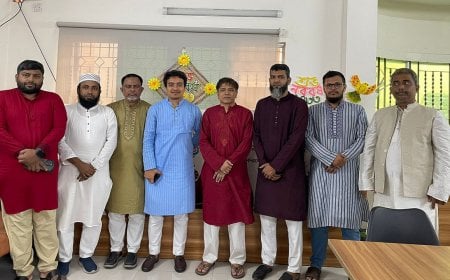
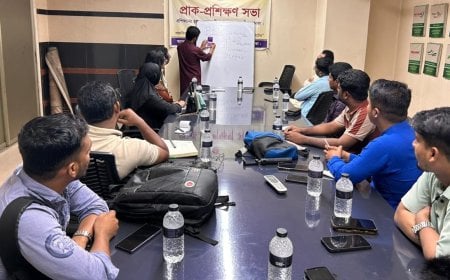
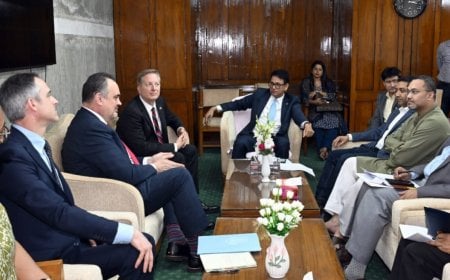
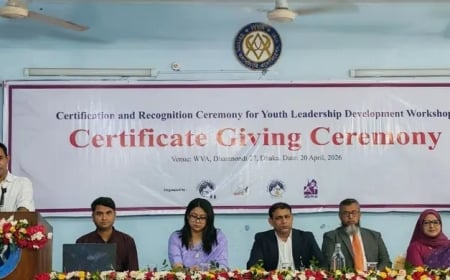
He made the remarks on Saturday (January 10) while addressing the closing session of a two-day election-focused journalism training programme for 50 selected members of the Dhaka Reporters Unity (DRU).
Calling on journalists to move beyond routine coverage of election expenses and campaign activities, Faruk Wasif emphasized the need to highlight the country’s changing social and political realities. He also urged media professionals to counter misinformation spread by “view-hunters” by changing their journalistic approach and making greater use of technology and artificial intelligence.
“The social reality and our perspective have already changed,” he said. “The mindset of the people we are trying to reach has transformed fundamentally. If we consider the age group of 15 to 45, they constitute nearly 70 to 72 percent of the population. Traditional journalism alone will not be able to reach them anymore.”
He noted that voters now have independent access to information through Google and AI tools and can easily learn about candidates. However, he said journalism can remain relevant by integrating reform-related issues into election reporting.
“For example, in a constituency with ten candidates, how many are actually talking about reform and how many are not—that itself is news,” he said. “A candidate may speak in favour of reform at the top level, but if there is no such message at the grassroots, that contradiction must be reported.”
Faruk Wasif stressed that journalists should not limit interviews to candidates alone but should also speak to grassroots supporters, including participants at the tail end of rallies, to understand the real narrative on the ground.
He also warned that if meaningful reform does not take place, public anger and unrest could resurface. “There is a simmering fire beneath the surface. People will no longer tolerate the kind of corruption and irregularities they accepted before—whether on campuses or in daily life,” he said.
Highlighting past shortcomings in journalism, he criticized how major development projects were often celebrated uncritically, while deeper geopolitical and economic implications went unreported. He said such narratives drowned out issues of accountability, enforced disappearances, killings, and legal abuses.
Faruk Wasif described July as a foundational moment for the country, comparable to 1971, and said journalists should remain honest to that reality in their reporting. “This is not a partisan issue. It is about acknowledging a fundamental shift in reality,” he said.
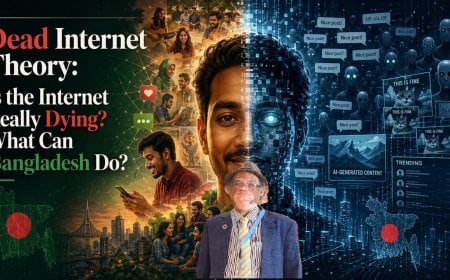
Addressing future challenges, he warned that social media influencers, YouTubers, TikTokers and vloggers pose a growing threat to professional journalism by spreading sensational and often misleading content for views.
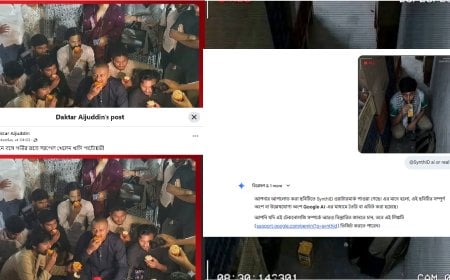
“If we fail to change our approach and use advanced technology and AI creatively, we will lose,” he cautioned. He also warned of the dangers of deepfake videos during elections, noting that fake audio or video content could spark violence or disrupt the electoral process.
He urged journalists to be cautious when sharing content on social media and to verify information thoroughly. He encouraged participants to follow PIB’s fact-checking initiatives, including the Bangla Fact platform, which provides tools, manuals and resources for verification.
Faruk Wasif also remarked that past mistakes by opportunistic sections of the middle class had contributed to the entrenchment of authoritarianism in Bangladesh. He advised journalists to avoid conflating political and economic issues with communal narratives during election reporting.
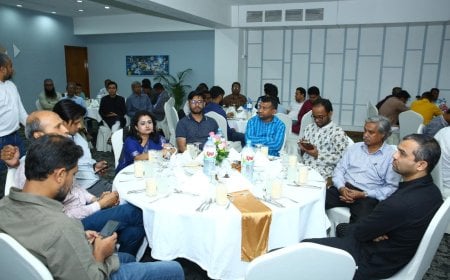
Among others present at the closing session were DRU Technology and Training Editor Mahmud Sohel, Treasurer Niaz Mahmud Sohel, Office Secretary Md Rashim, Journalist Welfare Trust Director Shaheen Hasnat, Amar Desh Deputy Editor Sultan Mahmud, and PIB Senior Trainer Golam Murshed.