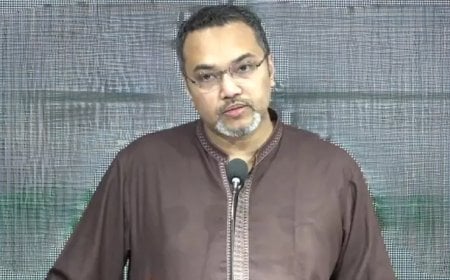
Criticising the government’s inability to curb the misuse of artificial intelligence, Dr Debapriya Bhattacharya, Distinguished Fellow of the Centre for Policy Dialogue (CPD), said that while digitalisation has driven progress, it has also created inequality. Although new forms of employment are emerging, traditional jobs are facing growing challenges, he noted.
Referring to last August’s movement, Dr Bhattacharya said instructions were issued to shut down the internet, highlighting its significance. However, he described the internet shutdown as a moral defeat.
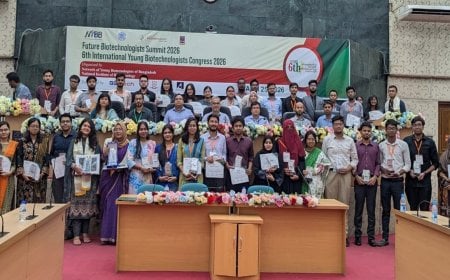
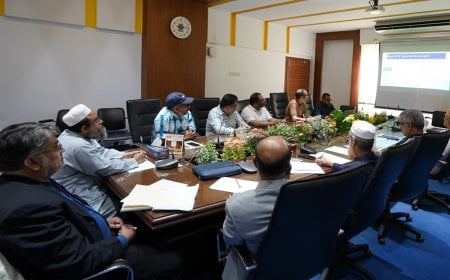
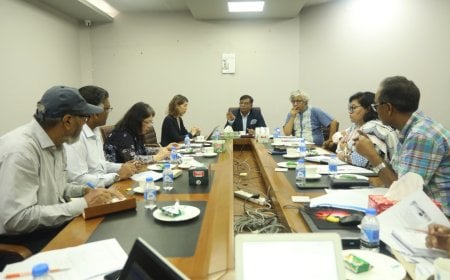
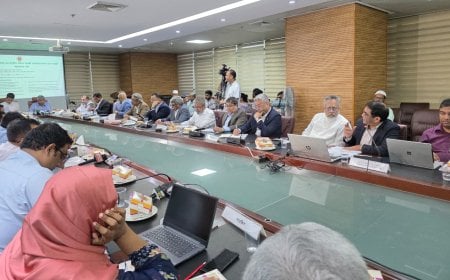
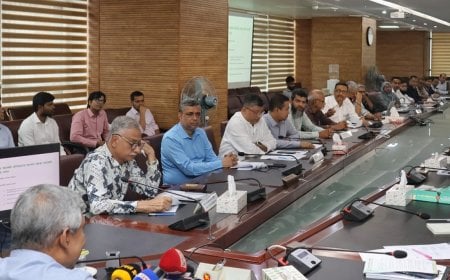
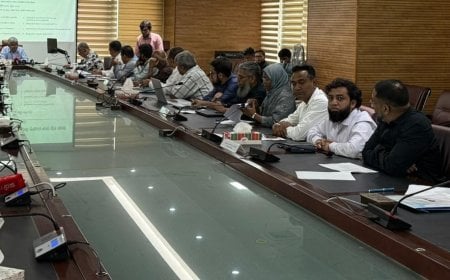
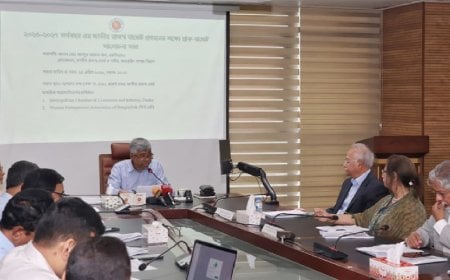
He made these remarks on Tuesday, 6 January, at a discussion titled “Digital Economy and Entrepreneurship”, organised by the Centre for Governance Studies (CGS) at the CIRDAP Auditorium in the capital.
Dr Bhattacharya further said that a new factor in the latest election was the use of artificial intelligence-driven social media platforms. He alleged that violence and hate were spread through these platforms, yet the Election Commission showed no initiative or willingness to stop it. According to him, the government has failed to take any effective steps to prevent such misuse of AI.
He added that civil society has been demanding regulation of social media. While digital systems have helped reduce corruption to some extent, he emphasised the need for a unified national data repository. This repository, he argued, should not be under the Election Commission or the Ministry of Home Affairs, but instead function as an autonomous, oversight-based and accountable institution. He also said the next government must legitimise the new Cyber Security Ordinance, and political parties should clearly outline their plans for ensuring digital security in the upcoming elections.
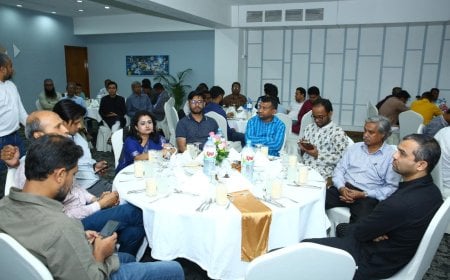
Among others present at the event were former Bangladesh Chamber of Industries President Shahedul Islam Helal, former Dhaka Chamber of Commerce and Industry President Asif Ibrahim, Daffodil Group Chairman Sabur Khan, University of Asia Pacific School of Business Dean M. A. Baki Khalili, former BARVIDA President Abdul Haq, former National Board of Revenue Chairman Dr Muhammad Abdul Mazid, Dhaka University Professor Shahidul Islam Zahid, Bangladesh National Awami Party (NAP) Chairman Jebel Rahman Gani, City Bank PLC Associate Relationship Manager Tanha Kett, entrepreneurs Abida Sultana and Tazmin Nasrin, and CGS Executive Director Parvez Karim Abbasi, among others.
While moderating the session, CGS President Zillur Rahman said Bangladesh has heard the term “digital” repeatedly over the past decade, but merely owning a mobile phone does not make the country “Digital Bangladesh”. He added that widespread corruption had occurred under the banner of digitalisation, including major financial losses from the central bank, which authorities failed to prevent.
Shahedul Islam Helal said digitalisation is one of the key ways to move away from corruption and bribery. He cited the use of CCTV in factories as a major advantage, making monitoring easier. He also noted how factory processes evolved from manual signatures to punch cards and then digital cards, simplifying operations. In plastic factories, he added, faulty machines can now be fixed instantly through video calls with Chinese manufacturers.
Former NBR Chairman Abdul Majid said automation and digitalisation would be ineffective without a change in mindset. He pointed out that the major theft from Bangladesh’s central bank occurred due to individual negligence. He also criticised the outsourcing of NBR automation to Vietnam, which resulted in sensitive data being taken abroad without adequate safeguards.
Asif Ibrahim stressed the importance of data credibility in policymaking and called for modernising the Bangladesh Bureau of Statistics in line with developed countries. He said Bangladesh’s e-commerce sector remains weak and emphasised the need to enhance digital skills and literacy among youth, improve digital infrastructure, and reduce the digital divide between rural and urban areas. Digitalisation, he added, is essential for encouraging entrepreneurship and ensuring transparency.
M. A. Baki Khalili urged the new government to seize emerging opportunities instead of following outdated traditions. He said digitalisation is crucial for running the economy and supporting entrepreneurs. While Bangladesh has fintech advancements, he noted the need for stronger edtech integration and digital education within the education system, alongside improved access to finance.
CGS Executive Director Parvez Karim Abbasi said digital progress is happening worldwide and Bangladesh has no reason to lag behind. He highlighted that the country has around 80 million internet users and 65 million social media users, which are positive indicators. However, he warned that low digital literacy among many users has contributed to cybercrime and digital inequality.
DBTech/DPO/EK/OR