





































EVM Evaluation: Election Commission Seeks Field Reports on Legal, Storage, and Future Issues
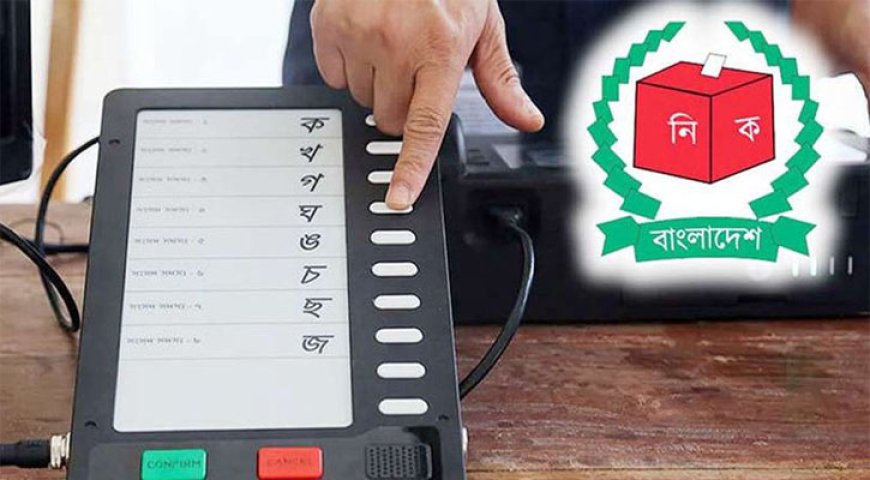



The Election Commission (EC) has sought detailed reports from field officials regarding the pending lawsuits, storage expenses, and future course of action concerning the Electronic Voting Machines (EVMs) used in previous elections. The information came to light from a letter signed by EC Joint Secretary Md. Moin Uddin Khan on Wednesday, October 15.
According to sources, the government has decided not to extend the tenure of the EVM project, leading the EC to discontinue the use of EVMs in all future elections. The commission has already removed EVM-related provisions from the polling center guidelines for both parliamentary and local government elections. However, since several elections were previously conducted using EVMs, a number of lawsuits remain pending, creating complications regarding the disposal of the machines. As long as these cases remain unresolved, the commission cannot finalize the future of the machines.
The letter sent to regional election officers stated that three types of information must be submitted “to determine the future course of action regarding EVMs and to make decisions about the rented spaces or warehouses where the machines are currently stored.”
The requested information includes:
-
Whether there are any pending cases related to elections conducted using EVMs; if so, the name of the election, constituency, date, case details, number of related EVMs, and any other relevant information.
-
Details of any lawsuits concerning warehouse or space rentals for EVM storage.
-
Information about outstanding rent payments for warehouses rented for storing EVMs.
It may be recalled that the first introduction of EVMs in Bangladesh took place under the commission led by Dr. ATM Shamsul Huda. The machines, developed by BUET, were initially used in the Rajshahi City Corporation election but faced technical faults, leading to a reversion to paper ballots. Later, the EC introduced improved versions of the EVMs. However, due to political disagreements and high maintenance costs, the government eventually decided not to extend the project, effectively bringing it to an end.









