





































ICDDR,B’s Child Nutrition Innovation Makes TIME’s Best Inventions 2025
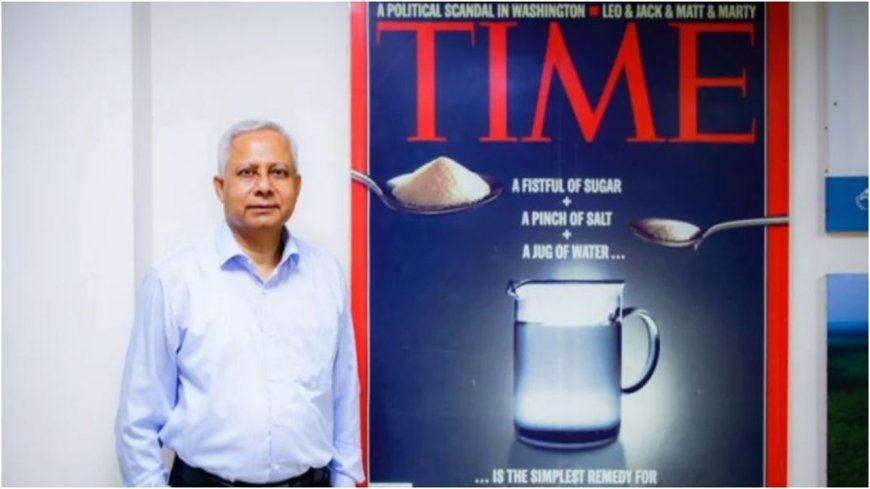



A team of researchers at the International Centre for Diarrhoeal Disease Research, Bangladesh (icddr,b) has developed a special complementary food for children by combining chickpea, soybean, peanut, and green banana flour. The food, known as Microbiota-Directed Complementary Food (MDCF), was created through a long-term collaborative study with Washington University in St. Louis, USA.
The innovation has proven effective in nourishing beneficial gut microbes, thereby strengthening immunity, supporting neurological development, and promoting healthy growth among children under five. It has emerged as a beacon of hope in combating malnutrition, which accounts for nearly half of all global deaths among children under five—especially in regions devastated by war, displacement, and natural disasters.
Recognizing its groundbreaking social impact, TIME magazine has listed icddr,b’s MDCF-2 in its Best Inventions of 2025 under the “Social Impact” category.
In a press release issued by icddr,b on Friday, October 10, it was revealed that the idea originated from an informal conversation between icddr,b Executive Director Dr. Tahmeed Ahmed and Washington University microbiome researcher Dr. Jeffrey Gordon. Dr. Ahmed has dedicated decades to combating childhood malnutrition, while Dr. Gordon, known as a pioneer in gut microbiome research, has primarily focused on obesity.
Dr. Gordon stated, “Our research shows that children’s nutrition and growth depend heavily on gut microbes. We identified beneficial microbes that can process food components the body cannot handle alone. Clinical trials conducted among Bangladeshi children demonstrated that MDCF-2 can restore the gut microbiome, with effects extending beyond the intestines.”
Dr. Tahmeed Ahmed remarked, “This recognition is a profound source of inspiration for us. It proves that when science and human compassion unite, even the world’s most complex health challenges can be solved. Locally produced and affordable, this innovation can not only save millions of malnourished children but also help them reach their full developmental potential.”
Large-scale studies on MDCF-2 are currently underway in India, Pakistan, Mali, and Tanzania. The innovation holds the potential to revolutionize global nutrition programs by transforming approaches to both the prevention and treatment of malnutrition.
For context, the human gut—often called the “second brain”—is a long, coiled organ that aids digestion and nutrient absorption. It contains millions of beneficial microorganisms that play a vital role in maintaining overall health, emotional balance, and lifestyle regulation.









