

















































































































































Accessibility Must Anchor All New Digital Services: ICT Secretary




Accessibility must be incorporated as a mandatory element from the very initial stages of service design, as Bangladesh rapidly expands digital services nationwide. The priority now should be to ensure every new service is accessible from the very beginning.
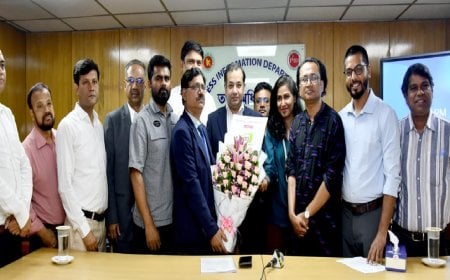
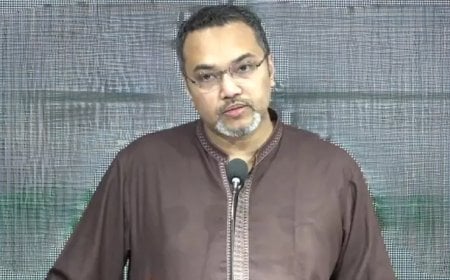
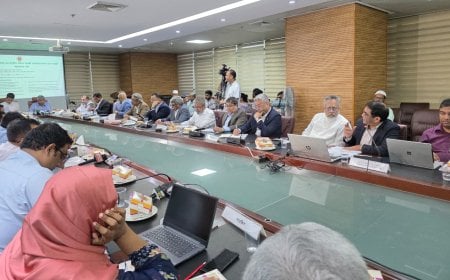
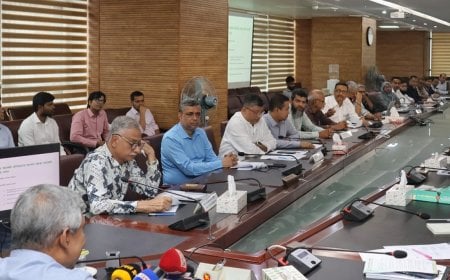
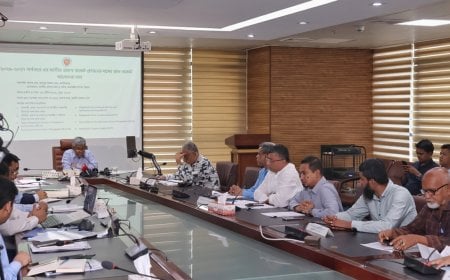
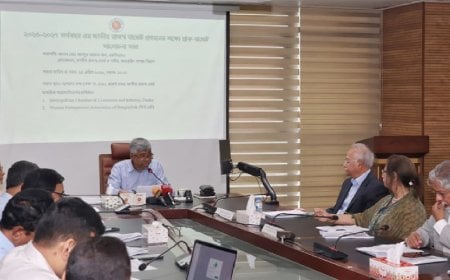
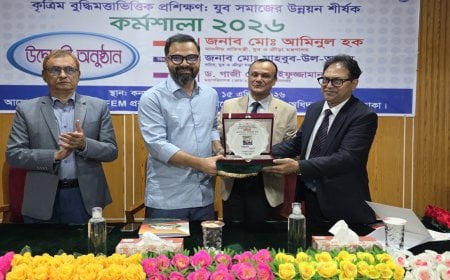
ICT Division Secretary Shish Haydar Chowdhury made the remarks on Tuesday, 9 December, while speaking as chief guest at the seminar titled “Innovation to Inclusion in the Digital Age,” organised by the Aspire to Innovate (a2i) Programme and UNDP Bangladesh at the BIDA Auditorium in the capital’s Agargaon.
The seminar called for adopting a clear and time-bound action plan to make Bangladesh’s fast-growing digital services fully accessible for persons with disabilities.
Speaking as special guest, Department of Social Services Director General Md. Saidur Rahman Khan said accessibility is deeply linked to dignity and respect, noting, “Those who cannot complete even a simple online task because of accessibility barriers often feel disconnected and overlooked in public life.”
In his concluding remarks, a2i Project Director (Joint Secretary) Md. Abdur Rafique said, “No single institution can eliminate digital inequality alone. Practical and just solutions emerge only when policymakers, technologists and disability rights advocates work together in true partnership.”

The policy proposals presented during the seminar outlined a phased five-year roadmap.
In the first year, recommendations include launching affordable internet packages for persons with disabilities, conducting accessibility audits of all government digital platforms, fully enforcing existing design guidelines, and strengthening training on digital safety and rights—especially for women and young persons with disabilities. Specialised training on digital accessibility for developers and service providers, as well as establishing Digital Skills Training Hubs, were also proposed.
From years two to three, the roadmap recommends introducing remote identity verification for government allowances and subsidies, establishing an easy-to-use National Disability Helpline, enhancing accessibility in digital banking and financial services, expanding the use of assistive technologies, and supporting domestic innovation in inclusive tech.
From years three to five, the plan calls for enacting an international-standard Digital Accessibility Act, establishing a Web Accessibility Monitoring Authority under the ICT Division, ensuring full accessibility for key platforms including Muktopaath and NISE, and making all government information—including emergency alerts—accessible to people with disabilities.
At the event, a2i and UNDP Bangladesh jointly presented a new research and policy brief titled “Bridging the Digital Divide: Improving Accessibility for Persons with Disabilities in Bangladesh’s Digital Ecosystem.”
The research was presented by Bhaskar Bhattacharya. It noted that more than 1,000 e-services have been launched under Bangladesh’s broad digital transformation initiative, and around 33,000 government websites have been integrated into a unified platform. Yet in practice, many persons with disabilities still face barriers when attempting to use these services. For many, the services remain effectively inaccessible.
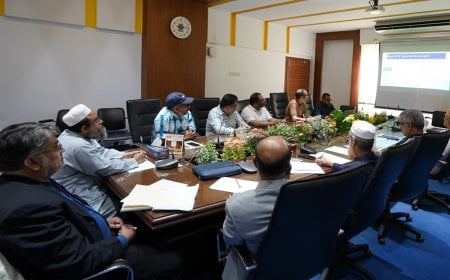
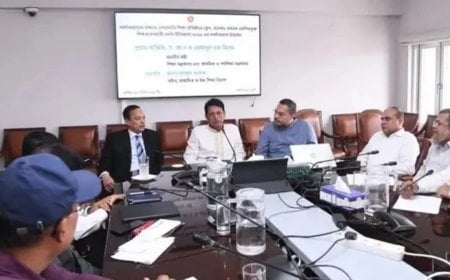
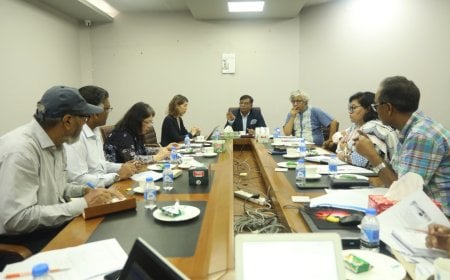
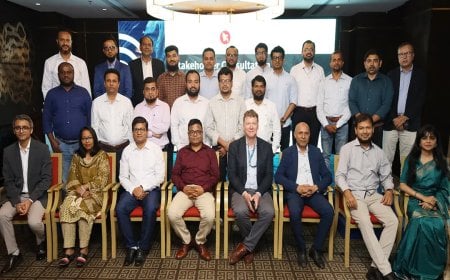
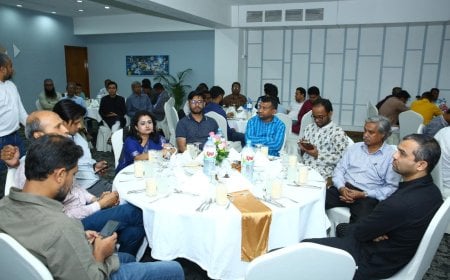
Representatives from the ICT Division, a2i, Bangladesh Computer Council, Department of Social Services, UN agencies, development partners, mobile operators, banks, digital payment service providers, online learning platforms, civil society, digital accessibility experts, and organisations of persons with disabilities were present.
DBTech/JI/EK/OR