



















































































































































Fourth Industrial Revolution and the Escalating Cybersecurity Challenges



The Fourth Industrial Revolution (4IR) is fundamentally driven by information technology. While 4IR is becoming increasingly structured through the use of digital technologies, it has simultaneously expanded the overall scope of information technology—particularly the cyber space—by several folds. Through this mutual interaction, the Fourth Industrial Revolution and information technology have become complementary forces.
Among the key technologies of 4IR are high-speed internet connectivity, cloud computing, data science, artificial intelligence (AI), robotics engineering, the Internet of Things (IoT), and the Industrial Internet of Things (IIoT). Many of these technologies will be heavily cloud-dependent. Consequently, as IT development and usage expand, cyber threats are also rising. The more advanced the technologies become, the more diverse and sophisticated cyber threats grow. For instance, antivirus software must deal with newer and more complex viruses and malware every day.
With the expansion of the Fourth Industrial Revolution, cyber threats are emerging from four principal perspectives:
First, the scope of cyber threats is widening every day. The technologies powering 4IR are connecting a far greater number of devices and infrastructures to cyberspace than ever before. Beyond traditional IoT devices, Industrial IoT and Cyber-Physical Systems are being increasingly integrated.
Second, cybercriminals are becoming significantly more skilled as technology evolves. To identify and exploit vulnerabilities in 4IR technologies, criminals are widely using artificial intelligence and cloud-based resources.
Third, the motives and coordinated attack capabilities of cybercriminals have increased substantially. Criminals are now targeting specific individuals or institutions through well-organized operations, often using various tactics—such as social engineering—during the preparatory phase of an attack.
Fourth, cybercriminals’ interest in data and information has surged.
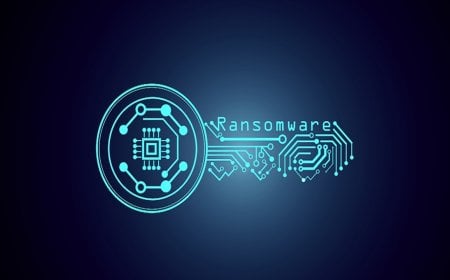
The use of ransomware and other malicious software to encrypt or steal data for extortion has grown sharply. According to cybersecurity firm Kaspersky, more than 350,000 internet users were victims of ransomware attacks in 2021. Additionally, cyberattacks increased by at least 20 percent in 2022 compared to the preceding year.
Across the world, countries are adopting various approaches to ensure cybersecurity in the era of the Fourth Industrial Revolution. Some nations—such as the United States and China—are investing heavily in cybersecurity research and development. Countries like Singapore and Israel are focusing on developing a skilled cybersecurity workforce. Others, such as Estonia and Denmark, are prioritizing comprehensive national cybersecurity strategies.
Bangladesh is not lagging behind. The government has identified cybersecurity as both an economic and national security challenge. In this regard, the “Bangladesh Cyber Security Strategy 2021–2025” has been formulated, and the Digital Security Agency has been established. The strategy highlights the need for separate policies and laws for emerging technologies such as big data, artificial intelligence, IoT, and blockchain. It also outlines specific targets for increasing skilled cybersecurity professionals at the undergraduate and graduate levels. However, although the strategy broadly mentions emerging technologies and workforce development, the lack of focused discussion on the Fourth Industrial Revolution reflects a degree of policy misalignment.
On the other hand, the government has yet to develop any strategic document addressing 4IR and its associated security policies. At the same time, almost all initiatives taken under the “Smart Bangladesh” vision are directly connected to the Fourth Industrial Revolution, relying heavily on digital services and a digital economy. Since Smart Economy is one of the key pillars of Smart Bangladesh, the advancement of 4IR is essential. Smart Economy will fundamentally rely on smart supply and production chain management, blockchain, artificial intelligence, and similar technologies.
Conventionally, Bangladesh’s cybersecurity practices may not seem highly advanced, but overall they are satisfactory. According to a survey by the international research organization e-Governance Academy, Bangladesh scored 67.53 on the National Cybersecurity Index and ranked 35th globally.
These achievements are certainly encouraging. They reflect the positive impact of policy frameworks and the establishment of multiple institutions such as the Digital Security Agency and the National CIRT. However, discussions on cybersecurity remain inadequate in IoT and Industrial IoT policies.
It is also insufficient to place the entire responsibility of cybersecurity on the government or policymakers. Policies and laws created by the government may sometimes appear imposed. Therefore, entrepreneurs and technologists must come forward proactively.
Cybersecurity is no longer just the concern of IT professionals or end users.
With the Fourth Industrial Revolution and Smart Bangladesh initiatives, everything is now technology-dependent. In such circumstances, a coordinated cybersecurity plan is essential; otherwise, economic and social risks will increase on a large scale. It must be remembered that every industrial revolution brings changes not only to the economic structure but also to societal systems and intellectual perspectives.
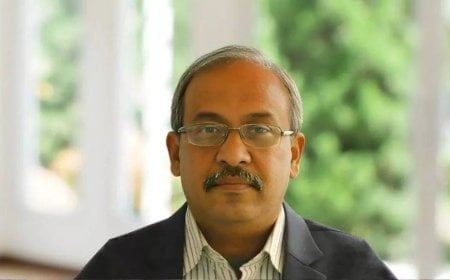
Writer: Ashfaque Safal, Information technologist and Joint General Secretary, Bangladesh System Administrators Forum
Disclaimer: The views expressed in this opinion piece are solely those of the author. Digital Bangla Media bears no responsibility for these opinions. As part of its commitment to reflecting diverse viewpoints, this write-up has been published without editorial intervention. Any dissatisfaction or discomfort arising from it is solely the reader’s personal matter.