















































































































































Telecom Tariff Transformation: New Licensing Policy Targets Affordability and Access



In a bid to make mobile calls and internet more affordable for consumers, the interim government is moving to eliminate intermediaries. On Thursday, September 4, the Advisory Council approved the Telecommunications Network and Licensing Policy 2025.
The new policy breaks away from past licensing structures and establishes a four-tier licensing system that integrates service quality and coverage. It also enables expansion into modern technological services such as Mobile Virtual Network Operators (MVNO), VoWiFi, WiFi 6, WiFi 7, Internet of Things (IoT), and Artificial Intelligence (AI). At the same time, barriers to providing new digital services have been removed to foster innovation, particularly among SMEs.
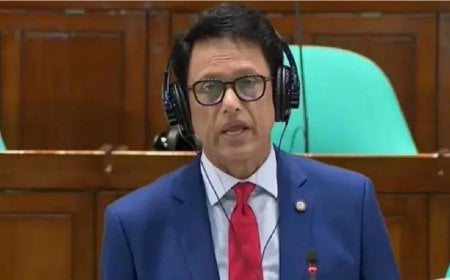
Faiz Ahmad Taiyeb, Assistant Adviser to the Chief Adviser on ICT and Telecommunications, remarked that the new framework would also enhance the effectiveness of the Social Responsibility Fund. He added, “Competition in voice calls and data will drive internet pricing to within the purchasing power of consumers.”
The policy reduces the ceiling for foreign ownership in the sector, bringing it down from 100 percent to 85 percent. Mobile operators will be required to offload at least 15 percent of their shares to the stock market within the next three years, though Taiyeb noted this would depend on the capacity of Bangladesh’s capital market.
Responding to concerns from industry stakeholders, Taiyeb said that the abolition of the ILDS policy was aimed at bringing order, assuring that “We will not revoke anyone’s license. Everyone will be allowed to continue until the end of their license term.”
He explained that the sector is currently in a migration stage: “The first licensing stage has ended, and now we are in the second stage. Licenses will be structured in three tiers. Those who want to move to a higher tier will need to apply to BTRC for a new license.”
The Assistant Adviser further emphasized that the policy is designed to dismantle monopolistic practices: “Licenses have now been consolidated into three categories, with an additional option for satellite telecommunications. The rest have been deregulated and brought under enlistment.”
He described the reforms as business-friendly, clarifying that under the new system, “No one will be able to operate across multiple tiers under a single license.”
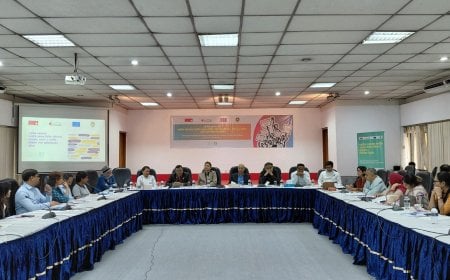
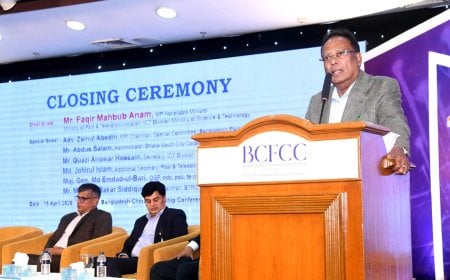
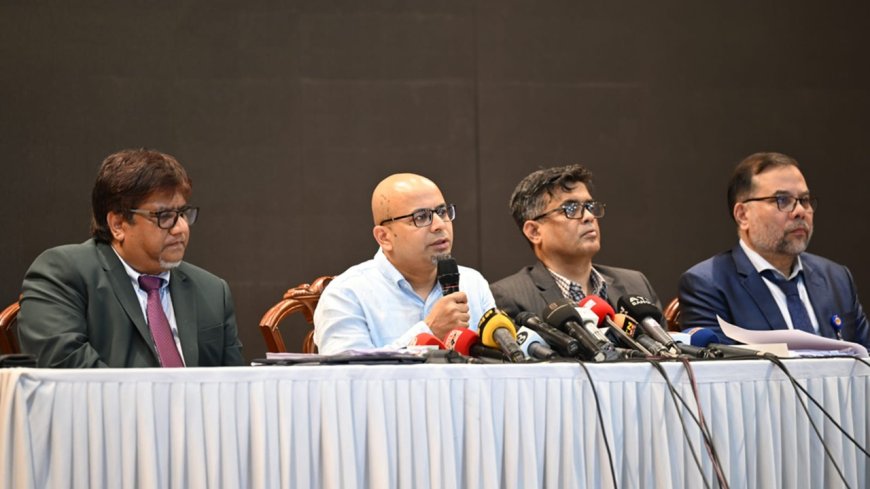
During a press briefing at the Foreign Service Academy in Dhaka, Taiyeb elaborated on the approved policy and addressed journalists’ questions. The event was attended by Posts and Telecommunications Secretary Abdun Naser Khan, ICT Secretary Shish Hayder Chowdhury, and BTRC Vice Chairman Md. Abu Bakar Siddique. The briefing was conducted by the Chief Adviser’s Press Secretary Shafiqul Alam.
Highlighting the deficiencies of the previous framework, Taiyeb stated that with 26 license categories and 3,299 licenses in total, “it was not possible to ensure service quality or price alignment.” The new streamlined structure, limited to three categories, will allow greater focus on delivering high-quality services.
Previously, intermediaries in the telecom market extracted revenue without adding significant value, he noted. The policy will redirect these funds toward expanding coverage in climate-vulnerable areas and ensuring affordable services for citizens.
ICT Division’s Public Relations Officer Muhammad Jasim Uddin said that before the policy’s finalization, about 10 major revisions were made based on the recommendations of a committee chaired by the Planning Adviser. “The reforms will bring marginalized communities under connectivity and strengthen telecom’s role in agriculture, education, and healthcare,” he said.
The policy also promotes active and passive infrastructure sharing, enabling telecom companies to deliver better services competitively. Officials expect this to improve service quality while also attracting increased foreign direct investment (FDI).
Earlier, on July 20, the interim government had formed a four-member committee, chaired by Planning Adviser Wahiduddin Mahmud, to review the draft of the Telecommunications Network and Licensing Policy 2025.