





































Telecom Topology Turmoil: Industry Alleges Threat to Jobs, Security
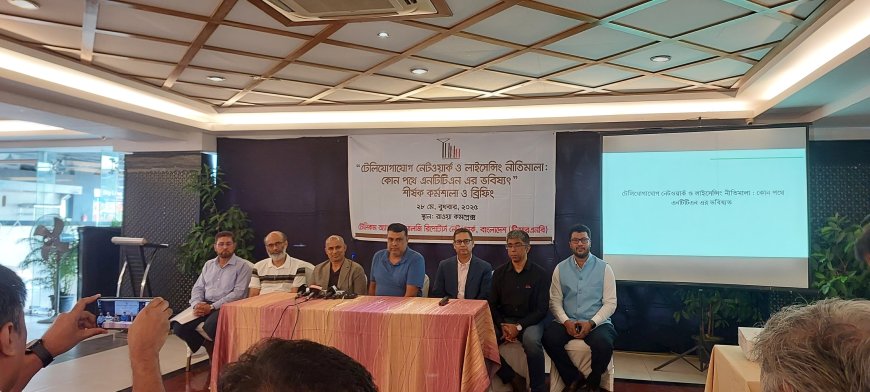



Stakeholders in the telecommunications sector have expressed serious concerns that the draft telecom topology proposed by the regulatory authority could pose a threat to national security, protect foreign corporate interests, and increase unemployment. Fiber@Home, one of the nation's NTTN (Nationwide Telecommunication Transmission Network) operators, has urged the government to prioritize national interests and subject the licensing policy to vetting by the International Telecommunication Union (ITU) before its implementation.
The demand was raised at a workshop and briefing titled "Telecommunication Network and Licensing Policy: The Future of NTTN", organized by the Telecom and Technology Reporters Network Bangladesh (TRNB).
TRNB President Samir Kumar Dey moderated the event, where General Secretary Masuduzzaman Robin delivered the welcome address. He stated, “We are working to protect the interests of local entrepreneurs. Therefore, to ensure national security, we must reduce our dependence on foreign entities.”
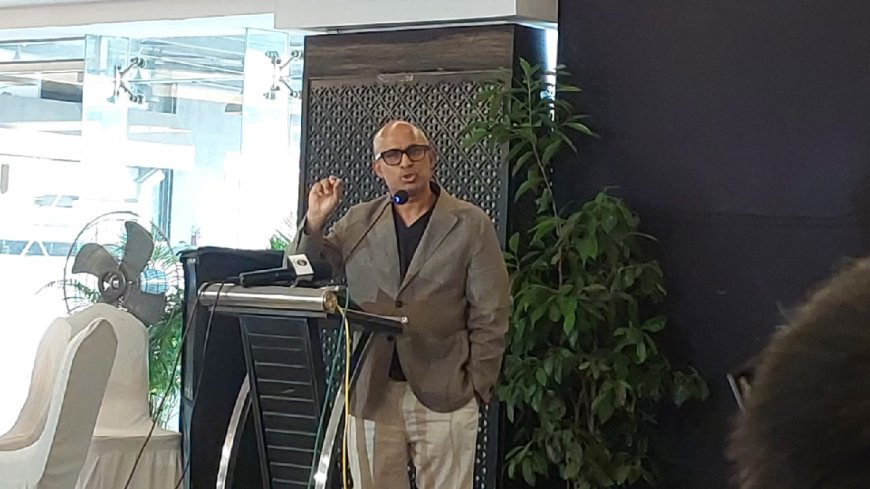
Fiber@Home Chairman Moinul Haque Siddiqui rejected the rationale behind the proposed topology, which claims the existing telecom infrastructure is not technology-friendly. “That’s not accurate,” he said. “Although investment has been somewhat limited, there are no obstacles to investing in 5G. That’s where we’re seeing slow progress. While limited competition has been cited, we are being crushed under licensing pressure. The existing ecosystem is being distorted in the name of creating something new, which will lead to the shutdown of many small ISPs and widespread job losses.”
Telecom expert Suman Ahmed Sabir described the new policy as conflicting and called for its revision. “This service is a matter of national security,” he said. “While foreign investment may be logical to some extent, the new policy should have focused on enhancing domestic capacity instead of emphasizing licensing. There appears to be an effort to prevent one network layer from entering another, yet mobile operators are being given every advantage. If they are allowed to lay fiber, the ISP sector will not survive the semantic maneuvering. The policy should exclude the provision allowing telcos to provide fiber connectivity at the enterprise level.”
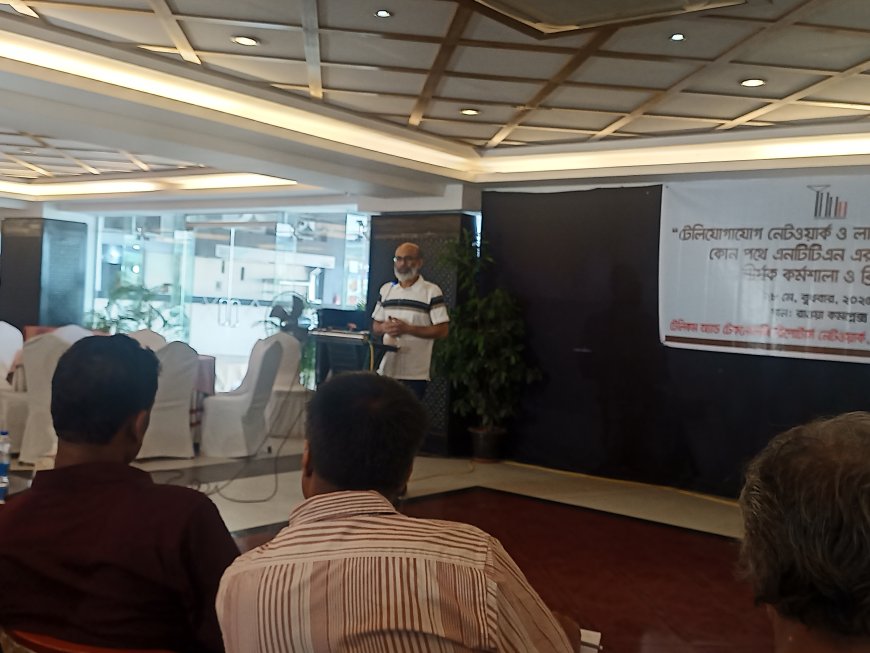
Following remarks from Fiber@Home’s Additional Director Azad Chowdhury, the company’s Chief Governance Affairs Officer Abbas Faruk highlighted concerns about the future of NTTN. He noted that nearly 150,000 kilometers of fiber cable have been deployed nationwide by six NTTN operators. “Mobile operators have been authorized to use transmission equipment such as DWDM,” he added. “Moreover, there is a stark and unjustifiable disparity between public and private NTTNs.”
In another presentation, the company's Government Affairs Officer, Lieutenant Colonel Rabiul Islam, outlined inconsistencies in the proposed topology. “The initiative is likely to exacerbate disparities rather than reduce them,” he warned. “It will place the telecom sector at risk. MNOs (Mobile Network Operators) will dominate small businesses, disrupting market equilibrium. Sharing networks at every layer will compromise security in the business.”
He further alleged that the BTRC-led workshop on the new licensing framework was essentially staged to protect the interests of mobile operators.









