


























































































































Breaking Barriers: Budget Boosts and Vocational Vision Urged for Youth Employment
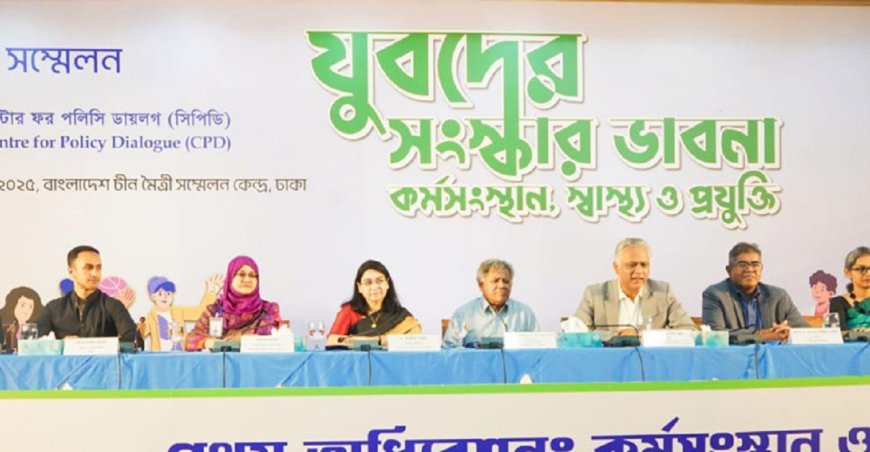



Stakeholders at a recent policy seminar have emphasized the need to break social taboos and reform the current education system to align with market demands. They called for increased budget allocation for technical education and stressed the importance of practical skills and technological knowledge in fostering self-employment and inclusive growth.
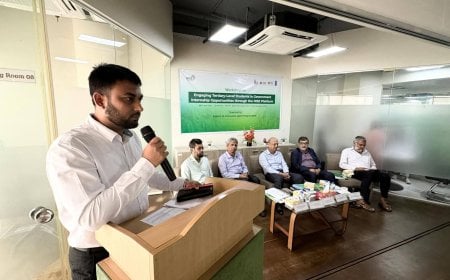
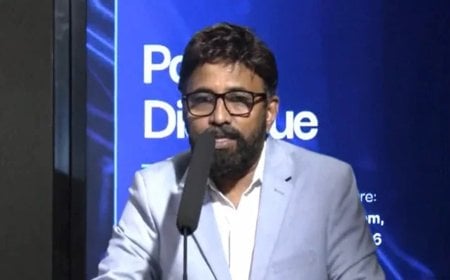
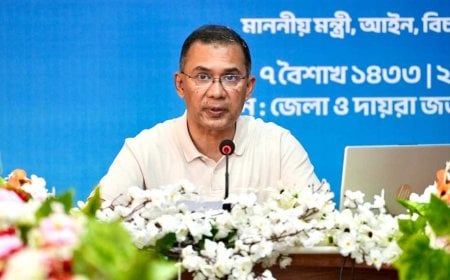
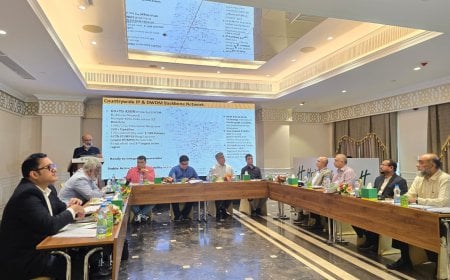
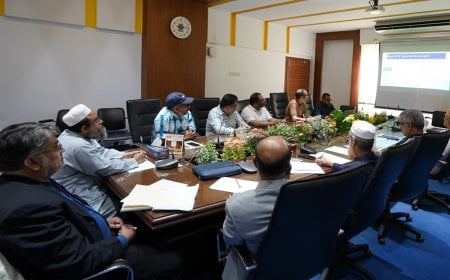
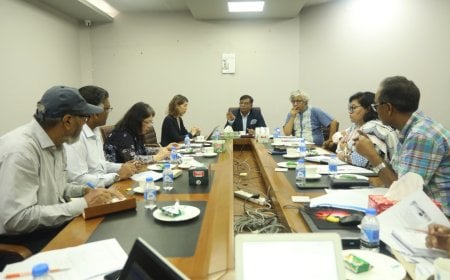
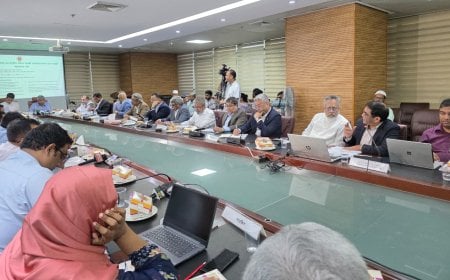
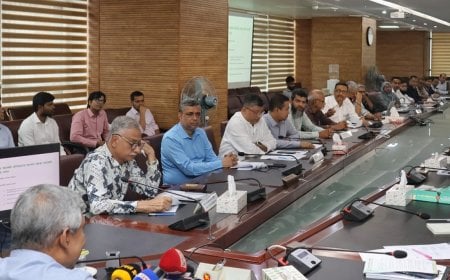
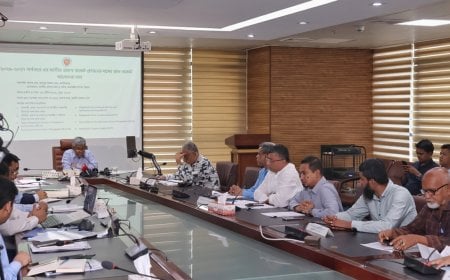
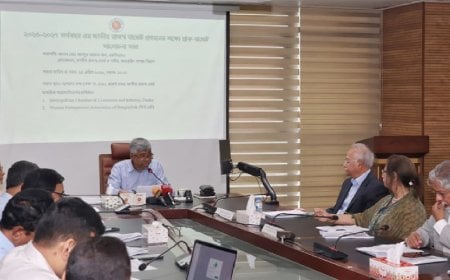
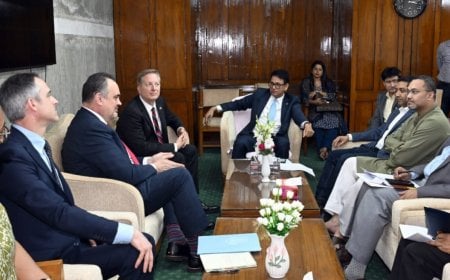
The views were shared during a seminar titled “Youth Reform Thoughts: Employment, Health, and Technology,” organized by the Centre for Policy Dialogue (CPD) on Wednesday, May 21, at the China Friendship Conference Centre in Sher-e-Bangla Nagar, Dhaka. The keynote presentation was delivered by CPD’s Senior Research Associate, Fakhruddin Al Kabir.
Conventional Education Not Meeting Job Market Needs
Speakers noted that Bangladesh’s traditional education system is out of sync with the labor market, leading to a paradox where higher education levels often correlate with increased unemployment. They underscored the need for a paradigm shift from a certificate-oriented system to a skills-based model, with a particular focus on entrepreneurship instead of reliance on public sector jobs.
AKM Fahim Mashroor, former BASIS President and CEO of Bdjobs, remarked, “The youth must move beyond the conventional concept of employment and embrace innovation. It’s time to create employment through intrinsic skills and technical knowledge rather than chasing BCS dreams.”
He added, “Despite speaking of the Fourth Industrial Revolution, we haven’t even crossed the threshold of the third. Research-backed policymaking is scarce, and without detailed plans and research to improve youth mindset and skills, no desired outcome will be possible.”
Syed Nasim Manzur, President of the Leather-goods & Footwear Manufacturers & Exporters Association of Bangladesh (LFMEAB), echoed similar concerns: “Due to our technological lag, unemployment is rising, especially among the youth. Overdependence on government jobs and BCS-centric mentality deters young people from exploring alternative livelihoods. At the same time, local industries face a severe shortage of skilled manpower.”
Mismatch in Demand and Skills
Manzur emphasized the urgent need for skilled professionals such as designers and pattern makers, noting, “We need not just managers, but effective channels of skilled individuals who can compete in global markets.”
Systemic Barriers and Social Mindset
CPD Executive Director Dr. Fahmida Khatun questioned the effectiveness of current government skill development initiatives. She stressed the importance of digital literacy, affordable internet access, and inter-ministerial coordination, saying, “At least five to six ministries are involved in vocational and language training, but there’s no synergy among them.”
She further noted, “Bangladesh’s higher education is not aligned with market demand. As a result, the number of unemployed educated youth is rising.” She added, “Reducing education and health budgets may seem justifiable, but in reality, it reflects a lack of essential investments.”
Employment Aspirations Need Rethinking
Brigadier General (Retd.) M Sakhawat Hossain, Advisor to the Ministry of Labour and Employment and Ministry of Shipping, was the chief guest at the event. He pointed out that the country’s major challenge is educated unemployment. “Everyone wants a government job, primarily because of the perks it offers, even if the salary is modest,” he said.
He added, “You could become a multibillionaire, build houses in Canada or Malaysia, but can’t afford to send your children abroad for education on a government salary. I’m not generalizing, but that’s the reality.”
On systemic corruption, he observed, “In my 10–11 months of experience, if something costs 100 taka, another 200 is added and split. This trend has become deeply entrenched.”
He noted that while Bangladeshi migrants willingly drive taxis or work in restaurants abroad, doing the same in Bangladesh is frowned upon. “Social taboos turn professions like taxi driving into a stigma, especially in the marriage market.”
Hossain stressed the need to break these traditional beliefs, asserting, “Even a small initiative with technical skills can lead to respectable employment, particularly for women.” He cited an example from Jashore, where five MA graduates had started a small factory making traditional rice cakes (pitha) and planned to export them in the future.
Policy and Institutional Support Needed
Hossain mentioned plans to establish a “Department of Employment” under the Ministry of Labour and Employment and a Memorandum of Understanding (MoU) with North South University to implement labour reform recommendations and training programs.
Dr. Fahmida Khatun added, “There are around 20 million unemployed youth in the country, most of whom lack technical knowledge. Vocational education is essential alongside academic degrees.” She called for increased funding and a shift in mindset across all levels of society to value work and recognize global demand for skilled workers.
Healthcare Reform and Governance
In the health session, Dr. Tasnim Jara, Senior Joint Secretary of the National Citizens’ Party (NCP), emphasized the need for structural reforms in healthcare, including a health information platform, electronic health records, national clinical guidelines, and digital welfare strategies. Using the example of abdominal pain, she stressed the need for a reliable app-based health information system.
Barrister Rumeen Farhana, BNP’s Assistant International Affairs Secretary, suggested legal reforms requiring MPs and chairpersons to seek treatment only at public hospitals. She criticized poor doctor compensation and long working hours, stating, “If a doctor earns only 20,000 taka and works 16 hours a day, expecting quality service is unrealistic. Healthcare is a team effort involving nurses, technicians, and quality equipment.”
Last words
The seminar spotlighted the growing disconnect between education, employment, and market realities in Bangladesh. Speakers uniformly called for breaking entrenched social norms, investing in vocational training, ensuring inter-ministerial coordination, and expanding policy focus on inclusive employment strategies.