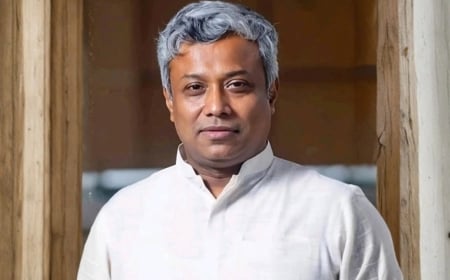
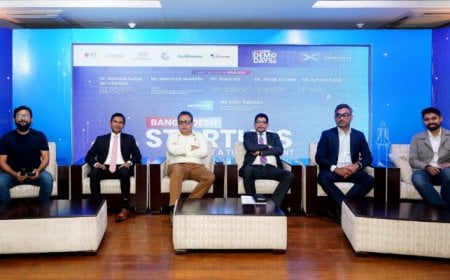
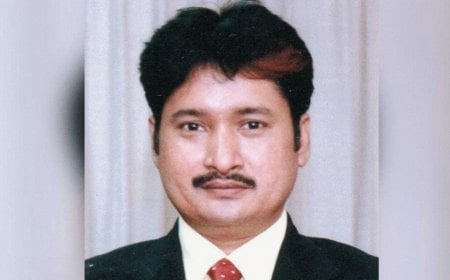
Bangladesh Bank Governor Md. Mostakur Rahman has announced an initiative titled “Start-Up Bangladesh Investment” aimed at developing the start-up sector. He said the fund, valued at approximately 600 crore Taka, may be launched in the second week of May. He also mentioned plans to provide grants for new entrepreneurs with support from the World Bank. He stressed the importance of using “Bangla QR” to build a cashless economy.
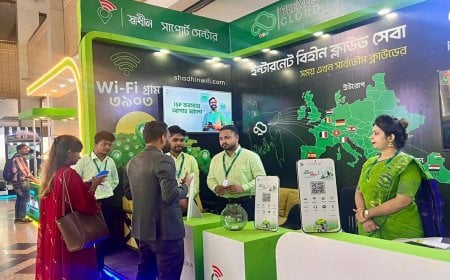
According to the Governor, no further extension will be granted for alternative QR codes after 30 June. Everyone will be required to use Bangla QR, which he said is expected to ensure interoperability in transactions.
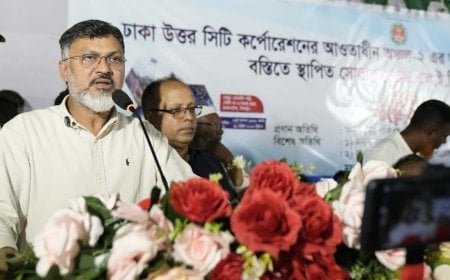
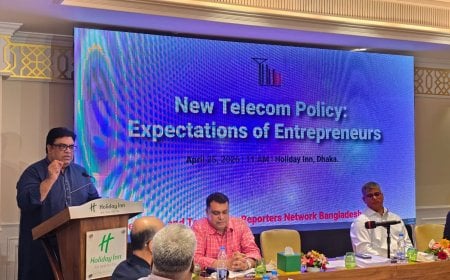
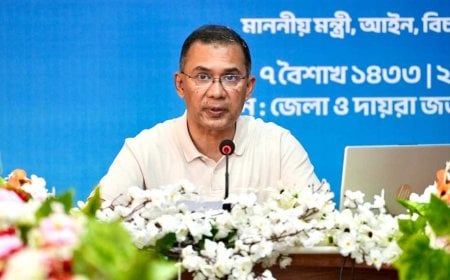
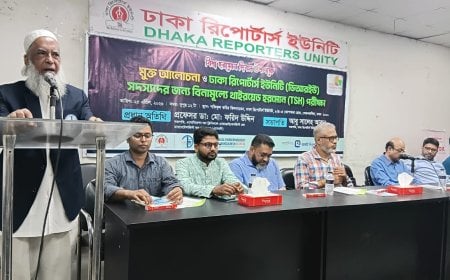
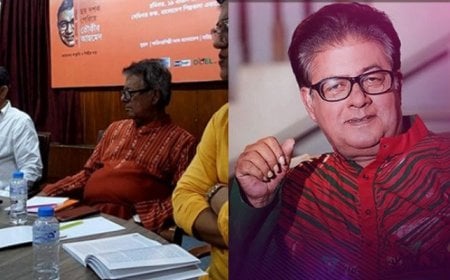
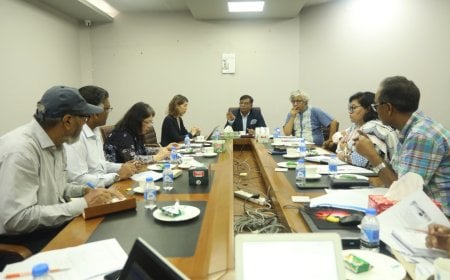
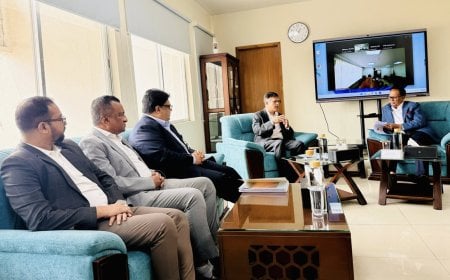
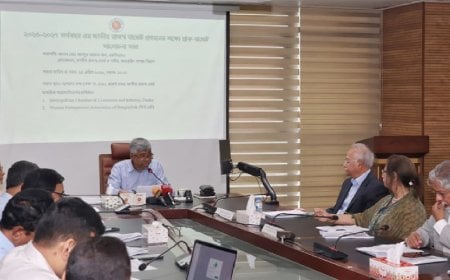
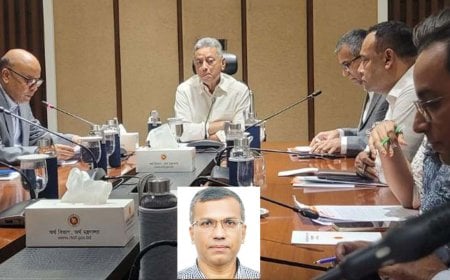
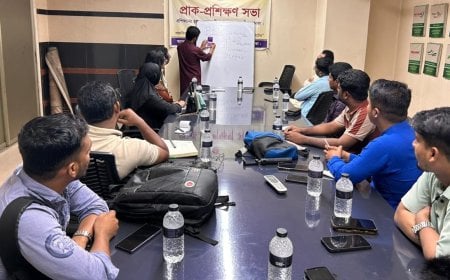
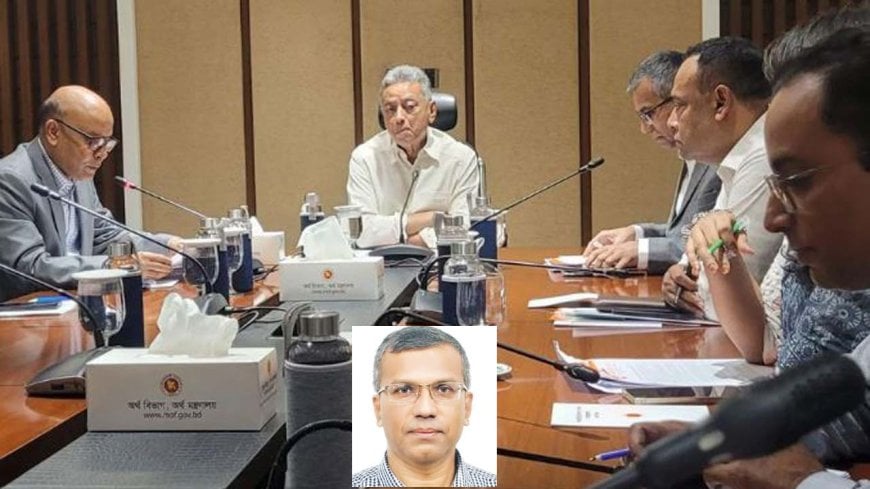
He made these remarks on 25 April, Saturday, at a pre-budget discussion meeting organized by the Ministry of Finance at the Secretariat with editors and chief executives of print, electronic, and online media.
Chaired by Finance Minister Amir Khasru Mahmud Chowdhury, the meeting also highlighted technical limitations in the operations of five merged Islamic banks. The Bangladesh Bank Governor said these banks have not yet come under a unified core banking software system. As a result, information and services cannot be accessed from one branch to another bank, creating major operational obstacles. He noted that integrating the CBS (Core Banking System) will take time.
The Governor stated that the government is considering various options to address the current situation, including recapitalization, privatization, or further consolidation. However, no final decision has been made yet.
He further said that the country’s banking sector is currently going through a complex situation. Although a significant volume of loans is classified as defaulted, a large portion lacks visible assets or proper documentation. Therefore, many of these cases are difficult to define as traditional loan defaults and may instead be considered cases of direct embezzlement or theft.
He also pointed out that asset recovery is slow due to challenges in identifying undisclosed transactions and hidden assets. Md. Mostakur Rahman said that internationally, defaulted loans are usually backed by assets and partially recovered through specialized asset management companies. However, in Bangladesh, determining the actual recoverable assets remains a major issue.
Meanwhile, on Thursday (23 April), Dr. Ashikur Rahman, Chief Economist of the private research organization Policy Research Institute (PRI), said that in March the government borrowed around 20,000 crore Taka from Bangladesh Bank. He described it as high-powered money, essentially printed money, and warned that it could increase inflation.
Based on this, concerns were raised in media reports, prompting the Governor to express concern that such information is negatively affecting the country’s economic image. He clarified that the claim of printing and providing 20,000 crore Taka to the government is not true and has no basis in reality.
DBTech/JNO/MUIM/OR