





































British Council to Release First Nationwide Mapping Report on Bangladesh’s Film Industry in December



The British Council is set to publish the country’s first-ever mapping report on Bangladesh’s film industry this December. The research is being conducted by Dhaka DocLab under the supervision of the British Council. The report will present a comprehensive roadmap focused on the structure and potential of Bangladesh’s film sector, offering essential guidance for policy formulation, sectoral investment, and inclusive growth. The final report will include a national-level mapping, policy review, and a set of recommendations for stakeholders.
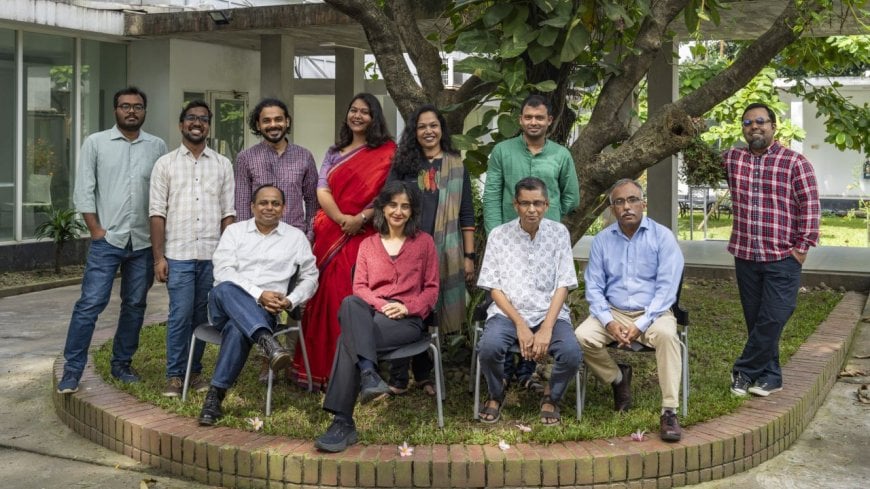
The British Council launched the research initiative in February this year through an open call. Its primary objective is to create new insights into the country’s film sector by mapping the ecosystem of Bangladesh’s film industry. To gain a complete picture, the research team—led by principal investigator Dr. Imran Firdaus—conducted extensive nationwide surveys and consultations with film producers, independent filmmakers, cinema hall owners, students, and various film professionals. The team is currently reviewing existing policies related to the film industry. The final report will include a detailed ecosystem map, policy review, and action-oriented recommendations for stakeholders. The findings will be unveiled at an official event in December, followed by a significant discussion session featuring invited filmmakers, policymakers, and investors. The initiative is part of the British Council’s broader commitment to supporting inclusive, ethical, and climate-conscious practices within the creative economy.
Explaining the background of the initiative, Maria Rehman, Deputy Director of the British Council Bangladesh, said:
“This research is an important step toward understanding how policy reviews related to Bangladesh’s film sector can unlock its full potential. The British Council’s effort to strengthen cultural ties between Bangladesh and the UK and to expand partnerships across various creative sectors is reflected in this initiative. It also recognizes the role of the creative industry in achieving inclusive growth. At a time when global interest in South Asian creativity is rising, this research will provide policymakers with a clear roadmap to establish Bangladesh’s film industry as a key contributor to cultural advancement and sustainable, inclusive economic growth.”
Tarek Ahmed, Director of Dhaka DocLab, emphasized the importance of the initiative:
“Bangladesh’s film industry is currently undergoing a phase of transformation, making this research extremely timely. We believe the mapping will be extensive and will offer essential, evidence-based insights for smart policymaking and strategic investment. This is a major step toward a sustainable and promising future that will benefit all professionals in the sector.”
Principal investigator Dr. Imran Firdaus highlighted the breadth of the research findings:
“Across Bangladesh, we found immense talent, ambition, and potential in the film industry. Beyond documenting the current realities, this research will outline practical, evidence-based actions to help filmmakers and policymakers achieve creative and financial success. It is also noteworthy that the research has carefully considered gender equality and sustainable development within the film sector.”
DBTech/SA/IC/OR









