










































































































































CID Champions Credible Crime Investigation through Global Protocol Training




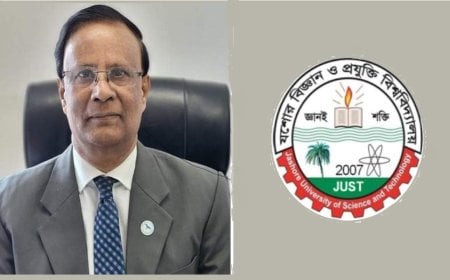
The Chief of Bangladesh's Criminal Investigation Department (CID), Md. Shibghat Ullah, stated that the CID has now evolved into a modern, technology-driven, and evidence-based investigative agency. “Ensuring transparent and impartial investigation, while maintaining international standards, is our commitment,” he said, emphasizing that the application of accurate, scientific, and evidence-oriented investigative methods is essential to safeguarding human rights and ensuring access to justice.
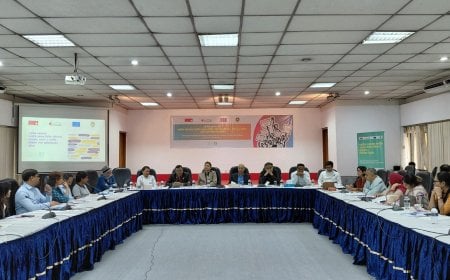
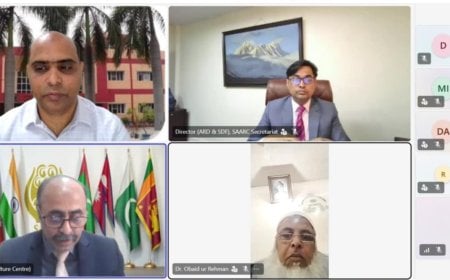
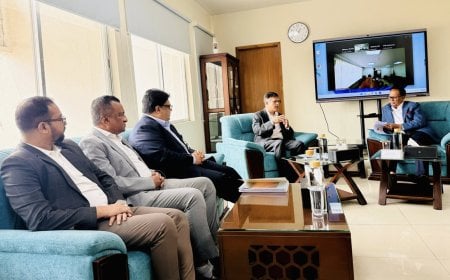
He made these remarks on Thursday, July 31, while presiding over the closing session of a two-day international workshop on the Minnesota Protocol for investigating extrajudicial killings, held in collaboration with a United Nations expert delegation.
In a press release, CID Special Superintendent of Police (Media) Jasim Uddin stated that the two-day workshop, held on July 30–31, was jointly organized by the United Nations Resident Coordinator (UNRC) Office and the Bangladesh CID, focusing on the “Minnesota Protocol on the Investigation of Potentially Unlawful Deaths.”
The keynote presentation was delivered by Morris Tidball-Binz, the UN Special Rapporteur on extrajudicial, summary, or arbitrary executions. He noted, “The Minnesota Protocol is an internationally recognized standard that ensures impartial investigation of unlawful deaths and plays a key role in reinforcing public trust in the justice system.” Using case studies from Libya and the Falkland Islands, Tidball-Binz highlighted the importance and effectiveness of the protocol in addressing extrajudicial killings.
Earlier in the session, Shampa Yasmin, Special Superintendent of Police (Forensics) at CID, provided insights into the department’s DNA and other forensic capabilities.
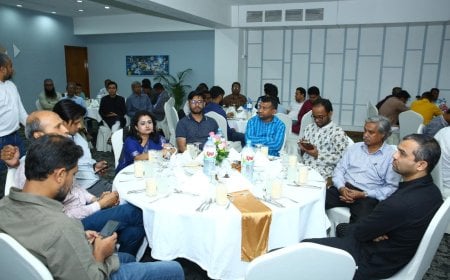
The workshop brought together senior officials from various units of the Bangladesh Police, members of the judiciary, medical and forensic experts, representatives of human rights organizations, and professionals from the technology and investigative sectors. This diverse group of participants shared their experiences, insights, and field-level challenges, making the discussions vibrant and productive.
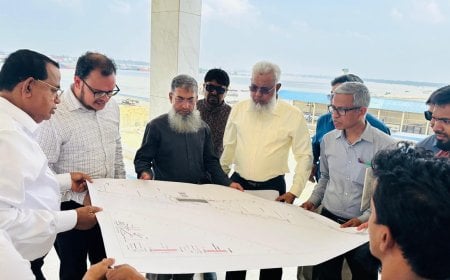
Key discussion areas included internationally recognized protocols for identifying deceased persons, procedures for preparing scientifically grounded and unbiased forensic reports, ethical and professional guidelines for human rights-sensitive policing, and real-world case studies reflecting investigative complexities and solutions.