













































































































































NCP Proposes Internet Access as a Fundamental Right in Constitution




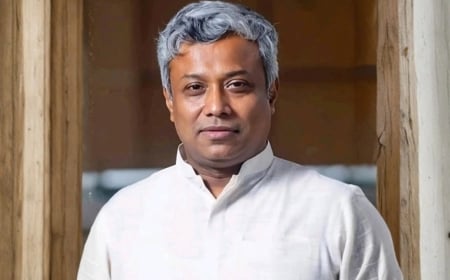
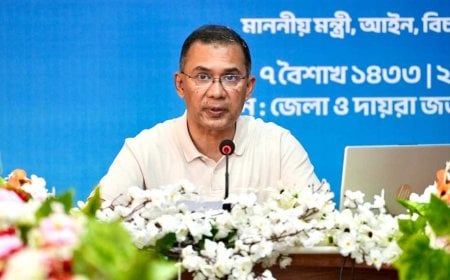
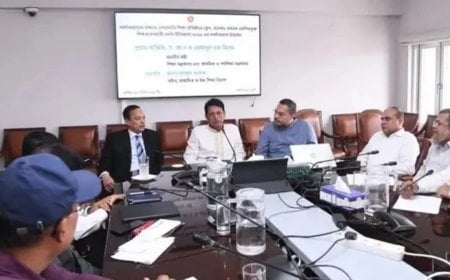
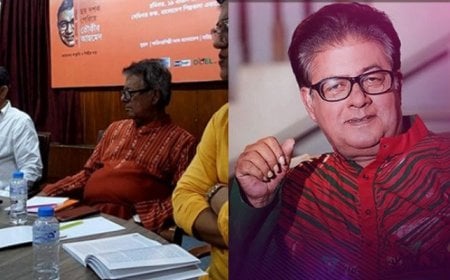
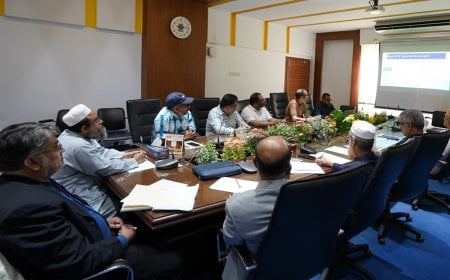
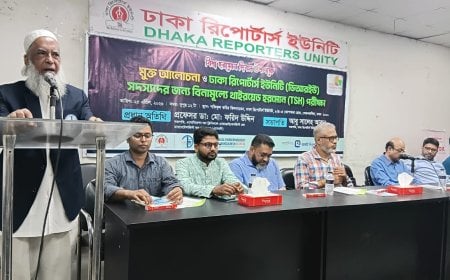
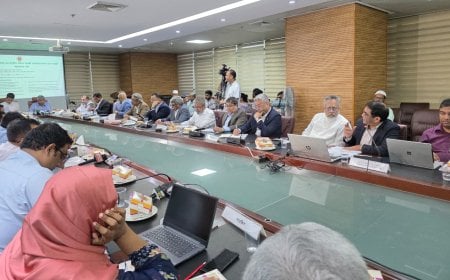
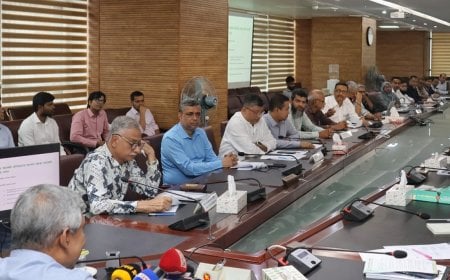
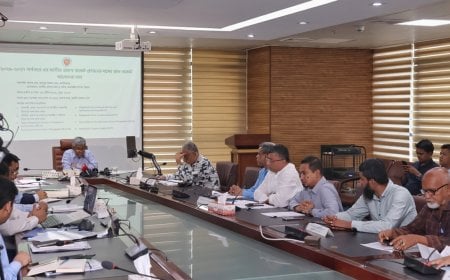
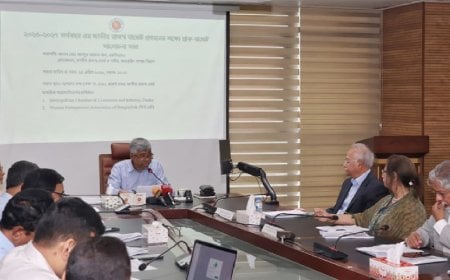
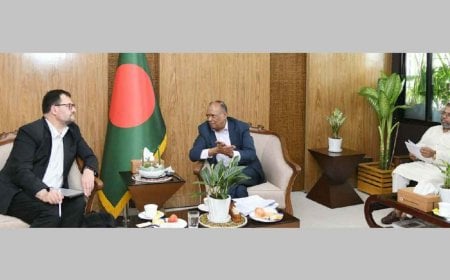
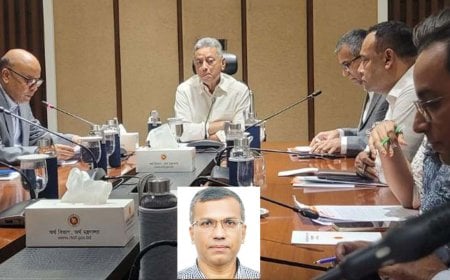
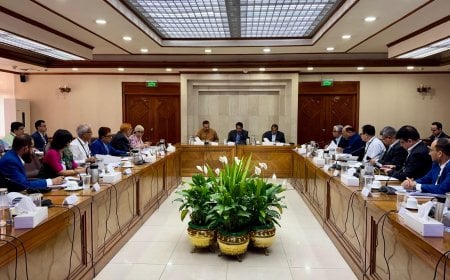
The National Citizens’ Party (NCP) has proposed recognizing uninterrupted internet access as a fundamental right in the constitution. The party’s Convener Nahid Islam shared this proposal with reporters following a meeting with the National Consensus Commission held on Saturday, April 19, at the LD Hall of the National Parliament complex. The meeting also included extensive discussions on major reforms in the governance structure.
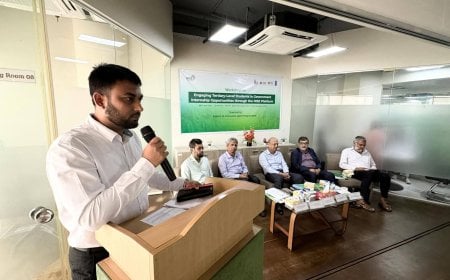
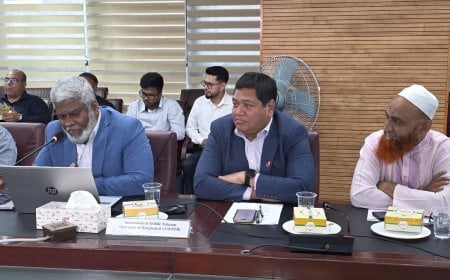
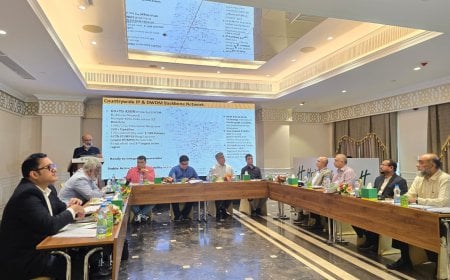
The session began at 10:30 a.m. and continued until 4:45 p.m. It was moderated by Special Assistant to the Chief Adviser, Monir Hayder. Representing the National Consensus Commission were Vice President Ali Riaz, members Dr. Badiul Alam Majumdar, Safaraj Hossain, and Dr. Iftekharuzzaman.
From the NCP, attendees included Convener Nahid Islam, Member Secretary Akhtar Hossain, Joint Convener Sarwar Tushar, Chief Organizer Hasnat Abdullah, Chief Coordinator Nasiruddin Patwari, Senior Joint Convener Samanta Sharmin, Senior Joint Member Secretary Nahida Sarwar Nibha, and Joint Convener Javed Russell.
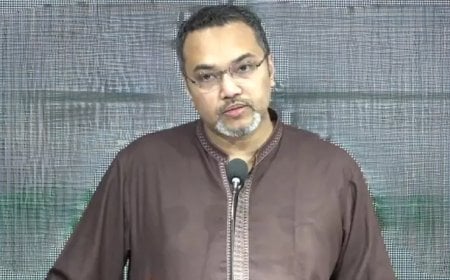
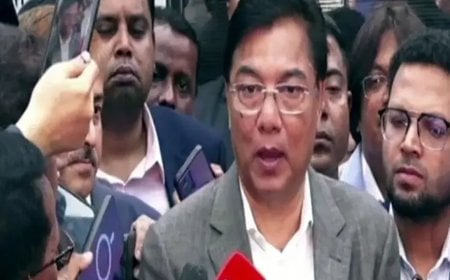
Addressing journalists after the meeting, Nahid Islam said, “We discussed the core principles of the Constitution. Today’s discussions were not conclusive; they will continue. We stated that the original principles of 1972 must be restored, and the partisan ideologies introduced later through amendments must be repealed. Recognition and inclusion of every ethnic identity must be ensured in the Constitution. The right to uninterrupted internet access must be acknowledged as a fundamental right. Fundamental rights must be enforceable by the courts.”
Nahid added, “We said that structural reforms of the state are essential to re-enter a democratic framework. No one should be allowed to become Prime Minister more than twice; a person who has served as Prime Minister should not be eligible to become President later. Appointments to constitutional positions should be made by a Constitutional Council. We also discussed power balance, peaceful transfer of power, women’s empowerment, and judicial independence.”
He further said, “Today’s discussion emphasized the balance of power. We talked about how to move beyond a personality-centered constitutional structure and implement a functional model for constitutional appointments. Additionally, we explored institutional norms for peaceful power transitions, women’s empowerment, and judicial independence. In that context, we proposed that no one can be Prime Minister or President more than twice, and someone who has served as Prime Minister cannot become President afterward. We have proposed a cabinet-led government, not one led solely by the Prime Minister.”
Nahid Islam also noted discussions on the formation of the National Constitutional Council (NCC) proposed by the National Consensus Commission. “We expressed our support for a bicameral legislature. The upper house should be formed based on proportional votes, not proportional seats. Political parties must announce their upper house candidates before the election. We have also endorsed, in principle, the proposal that 100 parliamentary seats be reserved for women candidates to be elected through direct competition. However, the method for this has yet to be finalized. Discussions on this matter are ongoing.”
He added, “Amendments to the Constitution must be subject to referendums. Even after securing two-thirds majority in both upper and lower houses, a national referendum will be required. We discussed measures to insulate the judiciary from political influence. Several proposals were presented in this regard: establishing a separate judiciary secretariat, ensuring financial autonomy, creating divisional benches, and appointing the Chief Justice through the Supreme Judicial Council based on seniority—with the potential input of the upper house.”
Nahid Islam further stated, “We proposed setting the minimum age for parliamentary candidates at 23 years, and the voting age at 16. There should be one Deputy Speaker from the opposition. We also called for reforms to the controversial Article 70. Additionally, we proposed redefining parliamentary constituencies through an independent commission. We expressed concern over the lack of disclosure of recommendations from the Police Reform Commission. However, no discussions were held today on the Anti-Corruption Commission, the Police Reform Commission, or the Public Administration Reform Commission.”