




























































































Bangladesh’s AI Boom: Big Breakthroughs, Bold Barriers



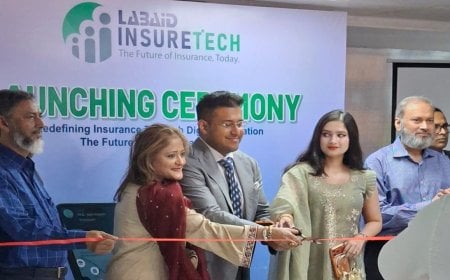
Bangladesh is gradually moving forward in the rapidly evolving world of technology. Artificial Intelligence (AI) has recently added fresh momentum to this journey. With support from Startup Bangladesh, more than 30 companies in the country are already using AI. Even in cities like Sylhet, small AI-based businesses are emerging. Yet very few institutions are developing their own AI systems. On top of that, there is a severe shortage of open datasets for the Bangla language. Similarly, despite various government initiatives such as Digital Education, Teachers’ Portal, and Muktopaath, AI-driven education in the country remains at a ‘pilot’ stage.
To expand AI use in health, education, agriculture, administration, and other sectors, alongside policies, it is essential to open-source language technology datasets such as OCR, spell-checkers, and sentiment analysis tools. For this reason, ethical, safe, and inclusive AI development has received the highest priority in Bangladesh’s AI landscape.
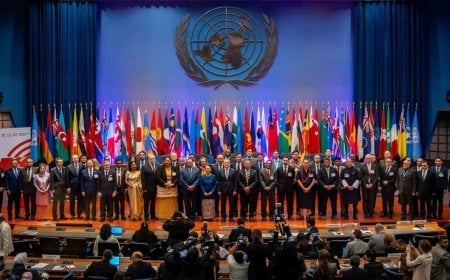
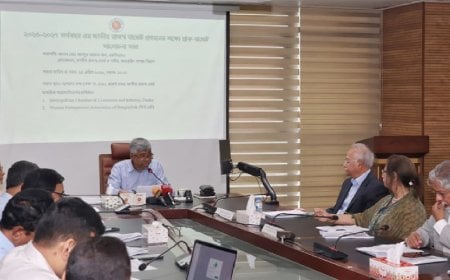
The recently released UNESCO Bangladesh Artificial Intelligence Readiness Assessment Report 2025 states that although technological tools for the Bangla language exist, there is a severe lack of open datasets. Under the ICT Division, the EBLICT project has developed spell-checkers, OCR, and sentiment analyzers, but their datasets are not open. In contrast, the situation is even worse for indigenous languages—many of them lack written form, fonts, or datasets. As a result, developing AI tools is far-fetched; even preservation efforts continue on a very limited scale. Although the International Mother Language Institute (IMLI) has taken some initiatives, experts warn: “If Bangladesh’s cultural and linguistic diversity is not represented in AI datasets, our presence in the future digital world will be at risk.”
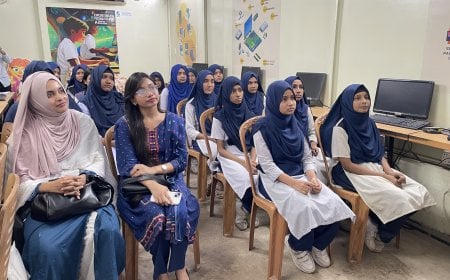
According to the UNICEF report, more than 75% of secondary schools in the country have computers, but only 53% have internet access. Although around 2,000 AI-related research papers were published in 2021, when a math textbook was translated into English using AI, the translation turned out to be full of errors and culturally inappropriate. This shows that despite vast potential, AI adoption in the education sector remains limited. Though teacher training and digital classrooms are increasing, AI-based instruction and ethical AI education have not yet been fully integrated. If global AI models fail to adapt to local realities, risks in the education sector may rise.
Statistics show that although the number of mobile phones in Bangladesh is rising, internet usage is limited to only 44.5% of the population. In urban areas, 66.8% use the internet, while in rural regions the number is just 29.7%. As a result, Bangladesh lacks crucial AI infrastructure—data centers, stable electricity, and high-speed internet. The country currently has only eight data centers, and its global ranking remains low. According to Telenor Asia’s latest survey, AI is used in 44% of workplaces in Bangladesh. There are 68 million total AI users, including 33 million workplace users. Of all internet users, 47% of men and 37% of women use AI in their workplace.
The Telenor and UNESCO RAM reports state that 48% of AI users engage with AI for social media content, video suggestions, captions, filters, and content generation. Meanwhile, 44% use AI for chatbots, data analytics, email drafting, and coding at work. Additionally, 39% use AI for music/movie recommendations and gaming; 30% for assistant apps, translation, and time management; 22% for bill payments, risk analysis, scoring; 22% for diagnostic tools and mental health bots; 19% for online shopping recommendations and price comparison; and 20% for travel planning and booking automation.
Analyzing global and local statistics, it appears that approximately 68 million people in Bangladesh use AI, with 33 million using it in their workplaces. The highest usage is in social media, official tasks, entertainment, and finance. Men use AI significantly more than women. Bangladesh is one of South Asia’s fastest-growing AI user markets, though industrial and infrastructural development lags behind. There is no official government estimate of the AI economy’s size, though private reports forecast growth.
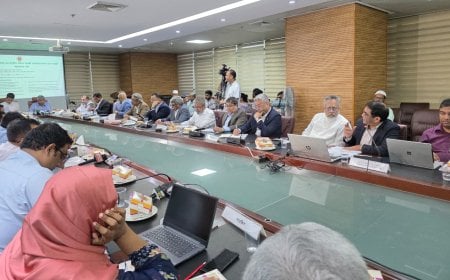
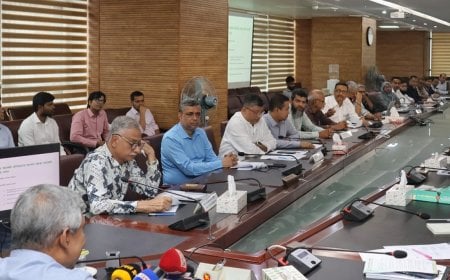
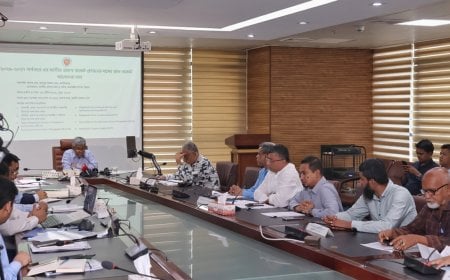
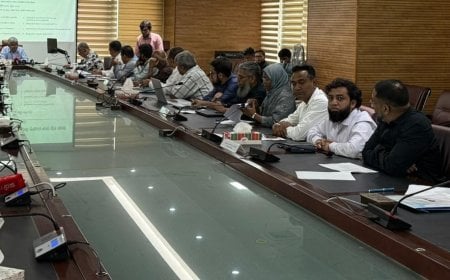
In this context, UNESCO’s report on Bangladesh’s AI potential and challenges has provided 15 clear recommendations. These are categorized into three groups:
Policy Recommendations: finalizing AI policy quickly; strengthening data protection and cybersecurity; ensuring transparent procurement of government AI tools; updating the Right to Information Act; and ensuring collection of diverse datasets.
Institutional Reforms: establishing a central AI governance office; forming a national multistakeholder committee; and creating an independent data protection authority. Additionally, it emphasizes AI vendor certification, developing datasets in Bangla and indigenous languages, and empowering local communities.
Capacity Building: enhancing public awareness of AI; promoting AI education with a focus on girls’ participation; improving future workforce skills; and investing in long-term research and infrastructure to build national capacity.
DBTech/IH/OR